


If you don’t live near a significant watershed area or in a rural area, or most of your rain falls onto actual soil–you’ll likely never see a stormwater management charge. Stormwater management happens in urban and dense regions where growing development adds in additional hardscapes that contribute to water runoff. Cities that depend on local water or are on major rivers and lakes will in the future (if they don’t already) have a stormwater utility. Urbanization does not show any signs of stopping. For cities to upkeep stormwater and combined sewer systems, imposing a yearly fee is the only way to fund the future. Cities like Washington DC, Chicago, Detroit, and Philadelphia already have stormwater utilities. The EPA has programs to help local governments set up their utility system.
How are Stormwater Charges Calculated
Commercial buildings take up more surface space and contribute to more water runoff than your typical residential home. If you happen to be a commercial property owner, you likely are getting charged more based on your concrete surfaces. Suppose you’re on residential property and have a pool, large patio or deck, or an accessory dwelling unit (like a separate garage or apartment). In that case, your stormwater fees will be higher.
The average stormwater fee in the United States is $12 billed quarterly, so around $48 a year for a residential property.
That’s a small amount of money per year; even over ten years, it’s not much, so why should I care?
Investing Wisely in Stormwater Management
Stormwater management is a significant issue in many cities. It can cost a lot of money to clean up the water and repair the damage that has been done. Green infrastructure is one solution that can save money and make things better for the environment. If private property owners all implemented some stormwater management best practices, it would significantly help the local economy and save the neighborhood money in the long term. Plus, over time, any property owner who implements green infrastructure on their land will save money while helping to build a sustainable ecosystem and healthy environment.
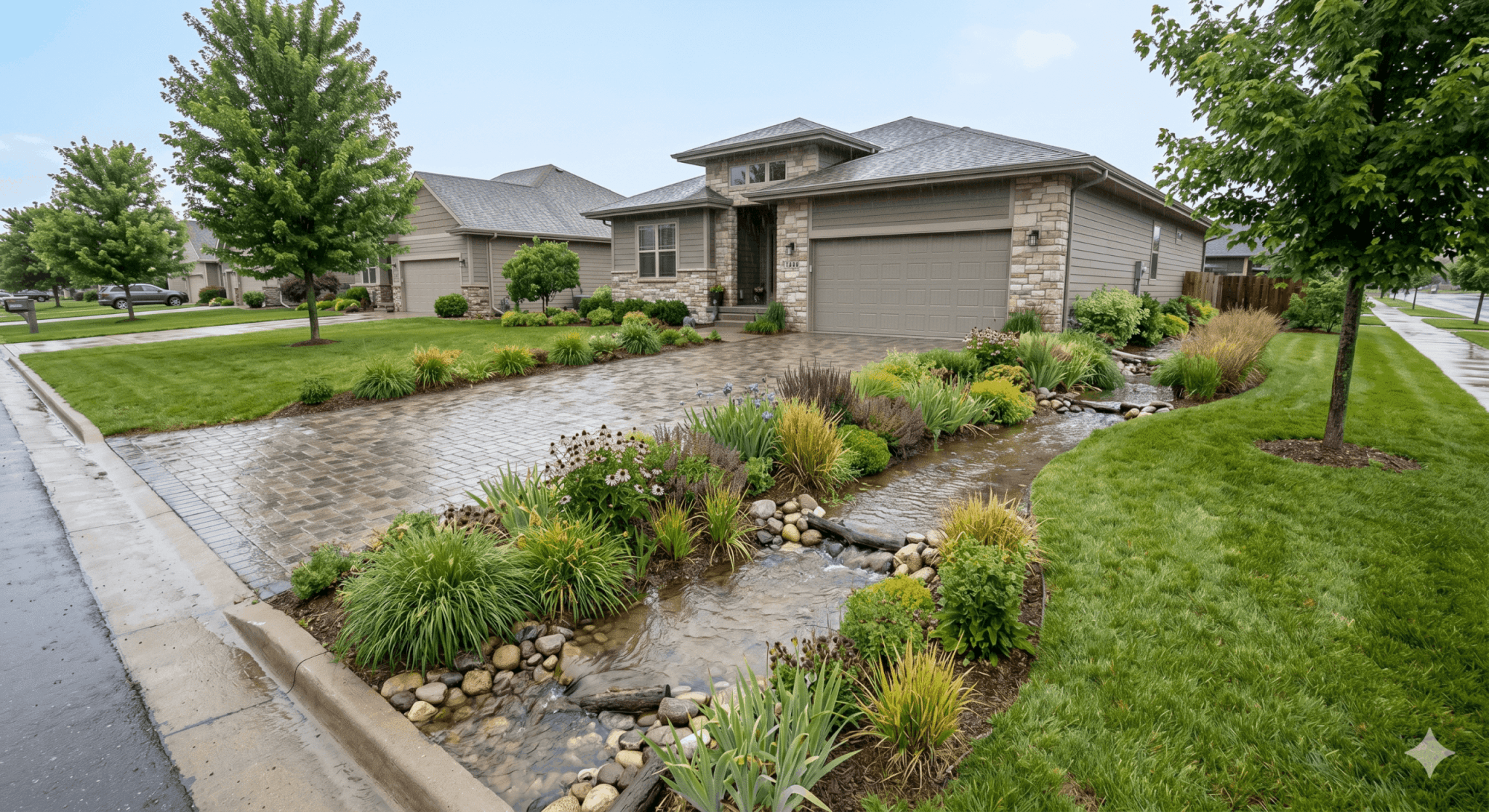
Green infrastructure includes rain gardens, rain barrels, and other ways of collecting water. The benefits of these green solutions are many: they are cheaper than traditional methods, are environmentally friendly, and can be used in conjunction with other stormwater management methods.
Example: If you live in Washington DC and have a small row home, your yearly charge for stormwater is likely around $50. Over ten years, you would have paid $500. However, if you purchase a rain barrel, your fees will be lowered, and the barrel itself is only $80. So you will have paid for the barrel within two years, and. Then be saving money for the next 8. Even better, through a stormwater incentive program, you can be reimbursed for the rain barrel making the entire retrofit a free project, and start saving instantly on stormwater utilities.
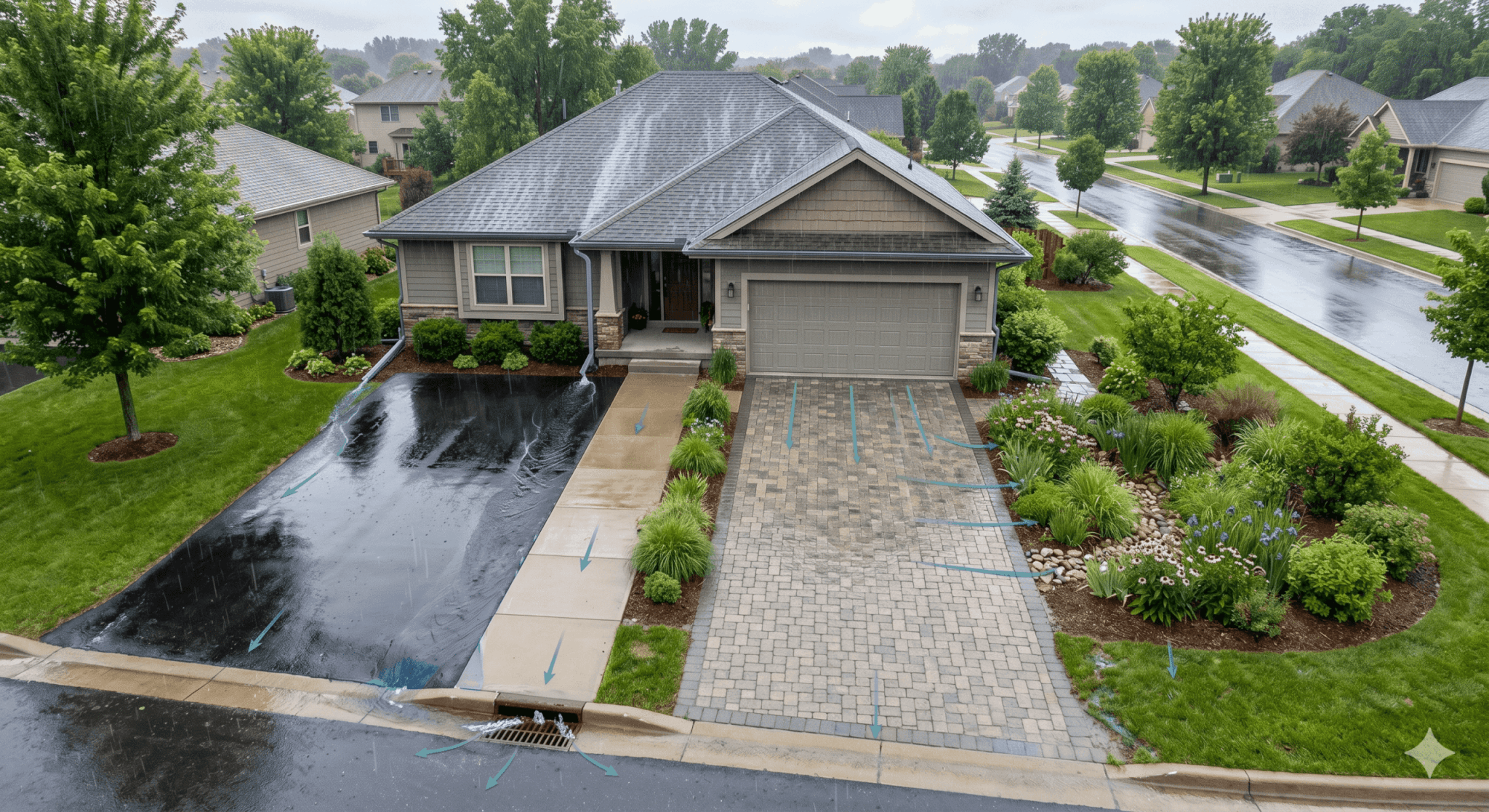
You can save thousands each year for commercial property owners after upgrading to a stormwater management practice like bioswales or permeable pavers. (If you add in a green roof, you save on utilities, energy bills, and more, thus maximizing your investment)
Stormwater Drainage Is a Long Game
The keen property owner knows that investing is a long game. You might not see the financial benefits immediately from installing green infrastructure-although you’ll see the maintenance benefits within the first rain event. Over time, you save money from purchasing and installing green infrastructure in your yard, parking lot, roof, etc. You’ll especially be able to save if you apply for a stormwater incentive program that will pay you back for your project costs.
Interested in finding what incentive programs are available for your property? Use our incentive match engine to discover local programs and see what projects would be best for your property.
” content_phone=”
The Property Owners Guide to Stormwater Utilities Fees
As a property owner, you might notice additional fees on your monthly utility bill. Stormwater fees are a new utility in over 2000 cities across America. In some municipalities, these fees are minimal, around $5-9 dollars a month. You might not even see stormwater charges on your utility bill! These charges are far higher for commercial real estate properties, so many developers have started to look for solutions to offset these costs. Whether you are a residential property owner or own commercial property, stormwater management is an investment that will pay for itself and more over time. Plus, you’ll benefit from helping the environment and establishing your place as a sustainable solution. Let’s do the math on how you can offset your stormwater utility fees.
What are Stormwater Utility Fees
Stormwater utility fees are a fee that the government charges for managing stormwater. They are usually calculated by the square foot of impervious surface. Impervious surfaces are where water rolls off and collects contaminants carried off into public spaces and waterways. They create pollution runoff and hurt water quality. Areas such as parking lots, driveways, and roofs are taxed to cover the cost of managing stormwater with filters, cleanups, pipes, and other infrastructure.
Stormwater utility bills are usually sent out quarterly or annually, depending on what type of plan your city has in place. Depending on your area, you might see these fees listed under property taxes, or for those of you in Pennsylvania; it’s called stormwater authority fees. Both tax and non-tax properties are required to pay these fees. These bills also include other services such as trash pick-up, snow removal, and recycling services.

Do I have Stormwater Management in My Area?
If you don’t live near a significant watershed area or in a rural area, or most of your rain falls onto actual soil–you’ll likely never see a stormwater management charge. Stormwater management happens in urban and dense regions where growing development adds in additional hardscapes that contribute to water runoff. Cities that depend on local water or are on major rivers and lakes will in the future (if they don’t already) have a stormwater utility. Urbanization does not show any signs of stopping. For cities to upkeep stormwater and combined sewer systems, imposing a yearly fee is the only way to fund the future. Cities like Washington DC, Chicago, Detroit, and Philadelphia already have stormwater utilities. The EPA has programs to help local governments set up their utility system.
How are Stormwater Charges Calculated
Commercial buildings take up more surface space and contribute to more water runoff than your typical residential home. If you happen to be a commercial property owner, you likely are getting charged more based on your concrete surfaces. Suppose you’re on residential property and have a pool, large patio or deck, or an accessory dwelling unit (like a separate garage or apartment). In that case, your stormwater fees will be higher.
The average stormwater fee in the United States is $12 billed quarterly, so around $48 a year for a residential property.
That’s a small amount of money per year; even over ten years, it’s not much, so why should I care?
Investing Wisely in Stormwater Management
Stormwater management is a significant issue in many cities. It can cost a lot of money to clean up the water and repair the damage that has been done. Green infrastructure is one solution that can save money and make things better for the environment. If private property owners all implemented some stormwater management best practices, it would significantly help the local economy and save the neighborhood money in the long term. Plus, over time, any property owner who implements green infrastructure on their land will save money while helping to build a sustainable ecosystem and healthy environment.
Green infrastructure includes rain gardens, rain barrels, and other ways of collecting water. The benefits of these green solutions are many: they are cheaper than traditional methods, are environmentally friendly, and can be used in conjunction with other stormwater management methods.
Example: If you live in Washington DC and have a small row home, your yearly charge for stormwater is likely around $50. Over ten years, you would have paid $500. However, if you purchase a rain barrel, your fees will be lowered, and the barrel itself is only $80. So you will have paid for the barrel within two years, and. Then be saving money for the next 8. Even better, through a stormwater incentive program, you can be reimbursed for the rain barrel making the entire retrofit a free project, and start saving instantly on stormwater utilities.
You can save thousands each year for commercial property owners after upgrading to a stormwater management practice like bioswales or permeable pavers. (If you add in a green roof, you save on utilities, energy bills, and more, thus maximizing your investment)

Stormwater Drainage Is a Long Game
The keen property owner knows that investing is a long game. You might not see the financial benefits immediately from installing green infrastructure-although you’ll see the maintenance benefits within the first rain event. Over time, you save money from purchasing and installing green infrastructure in your yard, parking lot, roof, etc. You’ll especially be able to save if you apply for a stormwater incentive program that will pay you back for your project costs.
Interested in finding what incentive programs are available for your property? Use our incentive match engine to discover local programs and see what projects would be best for your property.
” content_last_edited=”on|phone” admin_label=”Text” _builder_version=”4.27.6″ text_text_color=”#303030″ text_font_size=”18px” header_font=”Cairo||||||||” header_2_font=”Cairo||||||||” background_size=”initial” background_position=”top_left” background_repeat=”repeat” hover_enabled=”0″ global_colors_info=”{}” sticky_enabled=”0″]
The Property Owners Guide to Stormwater Utility Fees
As a property owner, you might notice additional fees on your monthly utility bill. Stormwater fees are a new charge in over 2000 cities across America. In some municipalities, these fees are minimal, around $5-9 dollars a month. You might not even see stormwater charges on your utility bill! These charges are far higher for commercial real estate properties, so many developers have started to look for solutions to offset these costs. Whether you are a residential property owner or own commercial property, stormwater management is an investment that will pay for itself over time. Plus, you’ll benefit from helping the environment and establishing your place as a sustainable solution. Let’s do the math on how you can offset your stormwater utility fees.
Click here for your stormwater management plan.
What is a stormwater utility fee?
Stormwater utility fees are a fee that the government charges for managing stormwater. They are usually calculated by the square foot of impervious surface. Impervious surfaces are where water rolls off and collects contaminants carried off into public spaces and waterways. They create pollution runoff and hurt water quality. Areas such as parking lots, driveways, and roofs are taxed to cover the cost of managing stormwater with filters, cleanups, pipes, and other infrastructure.
Stormwater utility bills are usually sent out quarterly or annually, depending on what type of plan your city has in place. Depending on your area, you might see these fees listed under property taxes, or for those of you in Pennsylvania; it’s called stormwater authority fees. Both tax and non-tax properties are required to pay these fees. These bills also include other services such as trash pick-up, snow removal, and recycling services.
Do I have stormwater management in my area?
If you don’t live near a significant watershed area or in a rural area, or most of your rain falls onto actual soil–you’ll likely never see a stormwater drainage bill. Stormwater management happens in urban and dense regions where growing development adds in additional hardscapes that contribute to water runoff. Cities that depend on local waterways like lakes, rivers, bays, and oceans will in the future (if they don’t already) have a stormwater drainage utility. Urbanization does not show any signs of stopping. For cities to upkeep stormwater and combined sewer systems, imposing a yearly fee is the only way to fund the future. Cities like Washington DC, Chicago, Detroit, and Philadelphia already have stormwater utilities. The EPA has programs to help local governments set up their utility system and you can read about it here.
How are Stormwater Charges Calculated
Commercial buildings take up more surface space and contribute to more water runoff than your typical residential home. If you happen to be a commercial property owner, you likely are getting charged more based on your concrete surfaces. Suppose you’re on residential property and have a pool, large patio or deck, or an accessory dwelling unit (like a separate garage or apartment). In that case, your stormwater fees will be higher.
The average stormwater fee in the United States is $12 billed quarterly, so around $48 a year for a residential property.
That’s a small amount of money per year; even over ten years, it’s not much, so why should I care?
Investing Wisely in Stormwater Management
Stormwater management is a significant issue in many cities. It can cost a lot of money to clean up the water and repair the damage that has been done. Green infrastructure is one solution that can save money and make things better for the environment. If private property owners all implemented some stormwater retention best practice, it would significantly help the local economy and save the neighborhood money in the long term. Plus, over time, any property owner who implements green infrastructure on their land will save money while helping to build a sustainable ecosystem and healthy environment.
Green infrastructure includes rain gardens, rain barrels, and other ways of collecting water runoff. The benefits of these green solutions are many: they are cheaper than traditional methods, are environmentally friendly, and can be used in conjunction with other stormwater management methods.
Example: If you live in Washington DC and have a small row home, your yearly charge for stormwater is likely around $50. Over ten years, you would have paid $500. However, if you purchase a rain barrel, your fees will be lowered, and the barrel itself is only $80. So you will have paid for the barrel within two years, and. Then be saving money for the next 8. Even better, through a stormwater incentive program, you can be reimbursed for the rain barrel making the entire retrofit a free project, and start saving instantly on stormwater utilities.
You can save thousands each year for commercial property owners after upgrading to a stormwater management practice like bioswales or permeable pavers. (If you add in a green roof, you save on utilities, energy bills, and more, thus maximizing your investment)
Check out our thorough guide to government grants for stormwater improvements.
Stormwater Drainage Is a Long Game
The keen property owner knows that investing is a long game. You might not see the financial benefits immediately from installing green infrastructure-although you’ll see the maintenance benefits within the first rain event. Over time, you save money from purchasing and installing green infrastructure in your yard, parking lot, roof, etc. You’ll especially be able to save if you apply for a stormwater incentive program that will pay you back for your project costs.
Interested in finding what incentive programs are available for your property? Use our incentive match engine to discover local programs and see what projects would be best for your property.
Read our brilliant guide on green infrastructure to reduce stormwater fees.
Stormwater Utility Fees by City: 2026 Reference Table
Stormwater fees vary dramatically across the US — from under $5/month in smaller cities to over $30/month in cities with extensive infrastructure. Here is what homeowners pay in major US cities:
| City | Approx. Residential Fee | Billing Period | Fee Basis | Credit/Reduction Available? |
|---|---|---|---|---|
| Washington, DC | ~$4–$8/month | Monthly | Impervious surface area | Yes — up to 55% with green infrastructure |
| Philadelphia, PA | ~$13/month | Monthly | Impervious surface area | Yes — Greened Acre Retrofit Program |
| Portland, OR | ~$10–$15/month | Monthly | Impervious surface area | Yes — Clean River Rewards (up to 35%) |
| Seattle, WA | ~$8–$15/month | Monthly | Lot size + impervious area | Yes — RainWise program rebates |
| Chicago, IL | ~$4–$7/month | Quarterly | Impervious surface area | Yes — Green Stormwater Infrastructure credits |
| Charlotte, NC | ~$4–$10/month | Monthly | Impervious surface area | Yes — up to 50% credit |
| Atlanta, GA | ~$5–$12/month | Monthly | Impervious surface area | Yes — credit program available |
| Denver, CO | ~$5–$9/month | Monthly | Impervious surface area | Yes — residential rebates available |
| Houston, TX | ~$5–$10/month | Monthly | Property type | Varies by municipality |
| Nashville, TN | ~$4–$8/month | Monthly | Impervious surface area | Yes — Green Infrastructure credits |
| Minneapolis, MN | ~$6–$12/month | Monthly | Impervious surface area | Yes — Minnehaha Creek Watershed rebates |
| Kansas City, MO | ~$3–$6/month | Monthly | Impervious surface area | Yes — credit program available |
| Detroit, MI | ~$5–$10/month | Monthly | Impervious surface area | Yes — credits for green infrastructure |
| Baltimore, MD | ~$4–$8/month | Monthly | Impervious surface area | Yes — BayScapes credits available |
Fees shown are approximate residential averages for single-family homes. Commercial properties typically pay 5–20x residential rates. Contact your local stormwater utility for exact current rates.
How to Reduce Your Stormwater Utility Fee
Most cities that charge stormwater fees offer credits for green infrastructure that reduces runoff from your property. Here is how different improvements compare on cost vs. fee reduction:
| Green Infrastructure Solution | Typical Fee Reduction | Upfront Cost | Est. Payback Period | Best For |
|---|---|---|---|---|
| Rain barrel (55 gal) | 5–15% | $50–$150 (often free via rebate) | 1–2 years | All residential properties |
| Rain garden | 10–30% | $500–$3,000 | 3–8 years | Yards with drainage issues |
| Permeable pavement (driveway/patio) | 15–40% | $3,000–$15,000 | 5–15 years | Properties with large paved areas |
| Cistern (500+ gal) | 10–25% | $500–$2,500 | 3–7 years | Large roofs, heavy rainfall areas |
| Bioswale | 15–35% | $1,000–$5,000 | 5–10 years | Properties with yard slopes |
| Green roof | 20–55% | $10,000–$30,000 | 10–20 years | Commercial or flat-roof residential |
Use Rainplan’s incentive search to find which improvements qualify for rebates in your city — many programs cover 50–100% of equipment costs, dramatically shortening the payback period.
Frequently Asked Questions About Stormwater Utility Fees
What is a stormwater utility fee?
A stormwater utility fee is a charge that municipalities bill property owners to fund the management of rainwater runoff. The fee pays for storm drains, retention ponds, water quality treatment, and maintenance of the stormwater infrastructure system. It is typically calculated based on the amount of impervious surface on your property — driveways, rooftops, and parking lots that prevent rain from absorbing naturally into the ground.
How much is the average stormwater fee per month?
The national average for a residential stormwater fee is approximately $10–$15 per month ($120–$180 per year). Individual city fees range from under $5/month in smaller municipalities to $30+/month in cities with extensive stormwater systems. Commercial properties pay significantly more — often $100–$1,000+/month based on the property’s impervious surface area. See the city-by-city reference table above for specific amounts.
Is a stormwater fee the same as a sewer fee?
No. Sewer fees pay for wastewater treatment — the water from your drains, toilets, and appliances. Stormwater fees pay for managing rainwater runoff from streets, rooftops, and paved surfaces that flows into storm drains. Some older cities operate a combined sewer system where both types merge during heavy rain, but modern stormwater utilities are billed and operated separately from sanitary sewer systems.
Can I get a credit or discount on my stormwater fee?
Yes — most cities that charge stormwater fees offer credits for property owners who install green infrastructure that reduces runoff. Common qualifying improvements include rain barrels, rain gardens, permeable pavement, cisterns, and bioswales. Credits typically reduce your bill by 10–55%. Contact your local stormwater utility to learn about their credit program, or use Rainplan to find all available programs and rebates at your specific address.
Do renters pay stormwater fees?
Stormwater fees are billed directly to property owners, not renters. However, landlords often incorporate the cost into rent or utility pass-through charges. If you rent, check your lease for any utility fee pass-through clauses. Tenants generally cannot apply for stormwater fee credits since they do not own the property.
Why did my stormwater bill suddenly increase?
Stormwater bills increase for several reasons: your municipality raised the rate (common as aging infrastructure needs replacement), your property’s impervious surface area was re-assessed and found to be larger than previously measured, you added a paved driveway or patio, or your city expanded its stormwater utility to cover additional services. If you believe your bill is calculated incorrectly, contact your local utility to request a re-assessment of your property’s impervious area.
How is a stormwater fee calculated?
Most cities calculate stormwater fees using the Equivalent Residential Unit (ERU) method. One ERU equals the average impervious surface of a single-family home in that city — typically 2,000–3,000 square feet. Your fee equals the number of ERUs your property represents multiplied by the monthly rate per ERU (usually $4–$15). If your property has significantly less impervious surface than average — for example, a small lot with a large yard — you may qualify for a reduced-rate tier.
What states charge stormwater utility fees?
Stormwater utility fees exist in over 40 states, with more cities adopting them each year due to aging infrastructure and federal Clean Water Act compliance requirements. They are most common in densely developed urban areas in the Northeast, Mid-Atlantic, Pacific Northwest, and Southeast. Rural areas with minimal impervious cover are least likely to have a dedicated stormwater utility. States where stormwater utilities are most widespread include Maryland, Pennsylvania, Oregon, Washington, North Carolina, Georgia, and Illinois.
Related reading: reduce your stormwater fees and fund improvements
[cs_preview_ENL id=”6574″]