

A single running toilet can waste 200 gallons daily and add $50 monthly to bills, but simple $5 flapper replacements and meter checks identify most common leak sources.
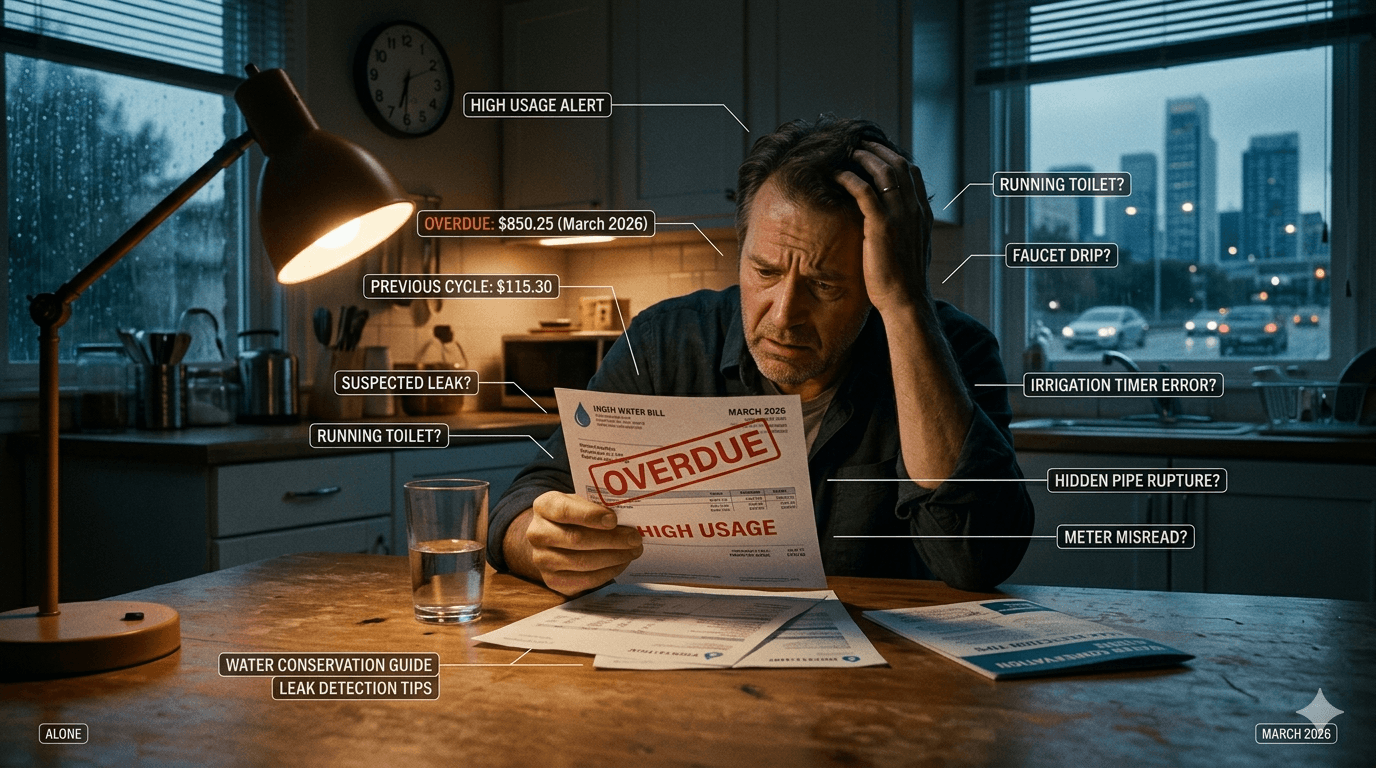
You open your water bill and freeze. The number staring back at you is double what you paid last month. Your first thought? There must be a mistake. Your second? Panic about what this means for your budget and whether something serious is wrong with your home.
A sudden spike in your water bill can feel overwhelming, but most causes are fixable-you just need to know where to look. Most high water bills stem from a handful of common causes: hidden leaks, seasonal usage changes, billing errors, or inefficient outdoor watering. The key is methodically checking each possibility and taking targeted action to bring costs back down.
Below, you’ll find 9 practical ways to cut your water bill-from quick DIY leak checks to smart outdoor upgrades that pay off for years. You’ll learn how to diagnose the problem, implement immediate fixes, and explore rebates and incentives that can help fund water-saving improvements to your property.
Key takeaways
- Fix toilet leaks first: A running toilet wastes 200 gallons daily and costs $50+ monthly, but a $5 flapper replacement takes just 5 minutes to install.
- Check your meter for hidden leaks: Turn off all water sources and watch the leak indicator for 15 minutes – any movement means water is escaping somewhere on your property.
- Time outdoor watering strategically: Water before 6 AM or after 8 PM to reduce evaporation by 30% and adjust sprinkler schedules based on rainfall to avoid overwatering.
- Stack rebates with Rainplan’s platform: Discover rain barrel rebates, permeable paver incentives, and green infrastructure programs that can cover 50-100% of water-saving upgrade costs.
- Understand your billing structure: Review rate tiers and sewer charges since crossing usage thresholds can dramatically increase costs, and sewer bills often equal water usage even for outdoor watering.
Why is my water bill so high?
Your water bill jumped because water is escaping somewhere-or you’re using more than you realize. The culprit might be a toilet that runs all night, a sprinkler head stuck in the “on” position, or even just your teenager’s newfound love of 45-minute showers. Sometimes it’s the utility company catching up on estimated readings or applying new rate structures.
The good news? Most causes have straightforward fixes. Your bill reveals exactly where water goes-and once you spot the pattern, you can fix it. Whether it’s a hidden leak wasting hundreds of gallons daily or an irrigation system that needs smarter scheduling, you can diagnose and address the issue.
Here’s what typically drives those shocking bills:
- Hidden leaks: Running toilets, dripping faucets, or underground pipe issues you can’t see
- Usage spikes: Seasonal watering, houseguests, or new water-hungry appliances
- Billing factors: Rate increases, longer billing cycles, or meter reading catch-ups
- Outdoor water waste: Broken sprinklers, overwatering, or inefficient landscaping
Common reasons your bill suddenly increased
Turn Runoff Into Rebates
Join Rainplan to access personalized data and discover sustainable solutions tailored to your specific site.
Knowing what drives water bill spikes helps you fix the right thing first. Most sudden increases come from four sources: fixture problems, seasonal changes, billing errors, or rate hikes.
Running toilets and dripping faucets
A toilet that won’t stop running can waste 200 gallons per day-enough to fill a hot tub, all going straight down the drain. The usual suspect is a worn flapper valve that costs $5 to replace but adds $50 or more to your monthly bill when ignored.
Testing for toilet leaks: Drop food coloring in the tank, wait 10 minutes without flushing, then check the bowl. Color in the bowl means water is leaking through constantly.
Faucet impact: A single dripping faucet might seem minor, but at one drip per second, you’re losing 3,000 gallons annually.
Seasonal irrigation spikes
Your sprinkler system accounts for up to 70% of summer water use. One broken sprinkler head or a zone that runs twice as long as programmed can double your bill overnight. Many homeowners set their irrigation timers in spring and forget about them, watering through rainstorms and drought restrictions alike.
System inspection checklist:
- Run each zone manually
- Look for geysers from broken heads
- Check for soggy spots indicating underground leaks
- Verify sprinklers water plants, not sidewalks
Quick efficiency tip: Adjusting your watering schedule to early morning reduces evaporation losses by 30%.
Meter reading variations
Utilities estimate your usage when they can’t access your meter, then reconcile with an actual reading later. This creates artificial spikes when several months of underestimated usage hit at once. Your bill might also cover different periods; a 32-day billing cycle uses 14% more water than a 28-day cycle, even with identical daily usage.
What to check: Look for “EST” next to your reading on your bill. If you see this, you’re being charged based on historical patterns, not current use. Request an actual reading if estimates seem off.
Rate and fee adjustments
Water utilities use tiered pricing where higher usage triggers exponentially higher rates. Using 10,000 gallons might cost $40, but 15,000 gallons could cost $75 due to tier jumps. Drought surcharges, infrastructure fees, and stormwater charges also appear without warning.
Action step: Review your bill’s rate structure section. Many utilities bury rate changes in bill inserts or online notices. Understanding your tier thresholds helps you stay below costly usage levels.
Hidden leaks cause the biggest bill spikes because they run 24/7. These simple checks help you find problems before they cost you more.
Step 1: Simple meter test
Your water meter catches leaks you’d never spot on your own. Turn off every faucet, appliance, and water-using device in your home. Find your meter’s leak indicator; a small triangle or dial that spins when water flows.
Watch that indicator for 15 minutes. If it moves, you’ve got a leak. To isolate indoor versus outdoor leaks, turn off the main shutoff valve to your house. If the meter still moves, you have an outdoor leak. Rainplan’s property assessment tools can help identify outdoor water management issues that contribute to high bills while qualifying you for green infrastructure rebates.
Step 2: Toilet dye checks
Test each toilet separately-more than one can leak at the same time. Add dark food coloring to the tank, enough to clearly tint the water. Set a timer for 10 minutes and resist the urge to flush.
Check the bowl when time’s up. Any color transfer indicates a leak between tank and bowl, usually from a deteriorating flapper or flush valve. These parts cost under $10 but save hundreds of gallons every month.
Step 3: Inspecting supply lines and sprinklers
Walk your property and look for unexplained wet spots, extra-green grass patches, or moss growth. These indicate underground leaks. Inside, check under sinks for moisture, corrosion on pipes, or water stains on cabinets.
Your irrigation system needs special attention. Run each zone for two minutes while watching for:
- Broken heads: Water shooting up like fountains
- Misaligned sprinklers: Watering driveways or sidewalks
- Pooling water: Low spots that stay soggy
- Pressure issues: Misting instead of proper spray patterns
Investigating your meter and utility rates
Billing errors and rate changes can drive up your bill without warning. Understanding how your utility calculates costs helps you catch billing errors and plan smarter usage.
Meter accuracy checks
New digital meters read more accurately than old analog models-they catch usage older meters missed. To verify accuracy, time how long it takes to fill a 5-gallon bucket at an outdoor spigot. Your meter should register exactly 5 gallons of use.
If you suspect meter problems, document your findings with photos and request a meter test from your utility. Most utilities test meters free or for a small fee-and refund you if the meter’s broken.
Understanding sewer charges
Your sewer bill typically equals your water usage since utilities assume most water goes down the drain. This means outdoor watering increases both bills, even though that water never enters the sewer system. Some utilities offer sewer adjustments for documented pool filling or irrigation.
Winter averaging impact: During winter months, many utilities calculate your sewer average, using those months to set sewer charges year-round. Reducing winter water use can lower your sewer bill all year.
Action step: Ask your utility about their specific sewer billing methodology and adjustment policies.
9 ways to decrease your bill right now
Smart water management means quick fixes now and bigger upgrades later. Each action below stops a specific type of waste and saves you money over time. Rainplan helps property owners identify which strategies work best for their property while connecting them with available rebates and financing.
| Strategy | Implementation time | Monthly savings potential |
| Fix toilet leaks | 30 minutes | $15-50 |
| Install rain barrels | 2-4 hours | $10-30 |
| Adjust irrigation timing | 1 hour | $20-60 |
| Add low-flow fixtures | 1-2 hours | $5-15 |
| Install permeable pavers | 1-2 days | $10-25 |
| Smart controller upgrade | 2-3 hours | $15-40 |
| Native plant landscaping | Varies | $20-50 |
| Mulch garden beds | Half day | $5-10 |
| Monitor usage monthly | 10 minutes | Early detection value |
1. Fix indoor leaks immediately
Start with toilet flappers, the most common and wasteful leak source. A $5 flapper takes five minutes to install and stops hundreds of gallons from going down the drain every day.
Additional quick fixes:
- Check faucet aerators and showerheads for drips
- Tighten connections or replace washers
- Address multiple small leaks that add up to major waste
2. Improve toilet efficiency
Drop a water-filled plastic bottle in older toilet tanks to cut each flush by 10-20%. For toilets from before 1994, consider WaterSense models that use 1.28 gallons per flush versus 3.5 gallons or more in older models.
3. Optimize outdoor watering
Timing strategies:
- Water before 6 AM or after 8 PM to minimize evaporation
- Set timers for shorter, more frequent cycles
- Allow soil absorption between waterings
- Adjust sprinkler heads quarterly for plant growth and seasonal changes
4. Install rain barrels or cisterns
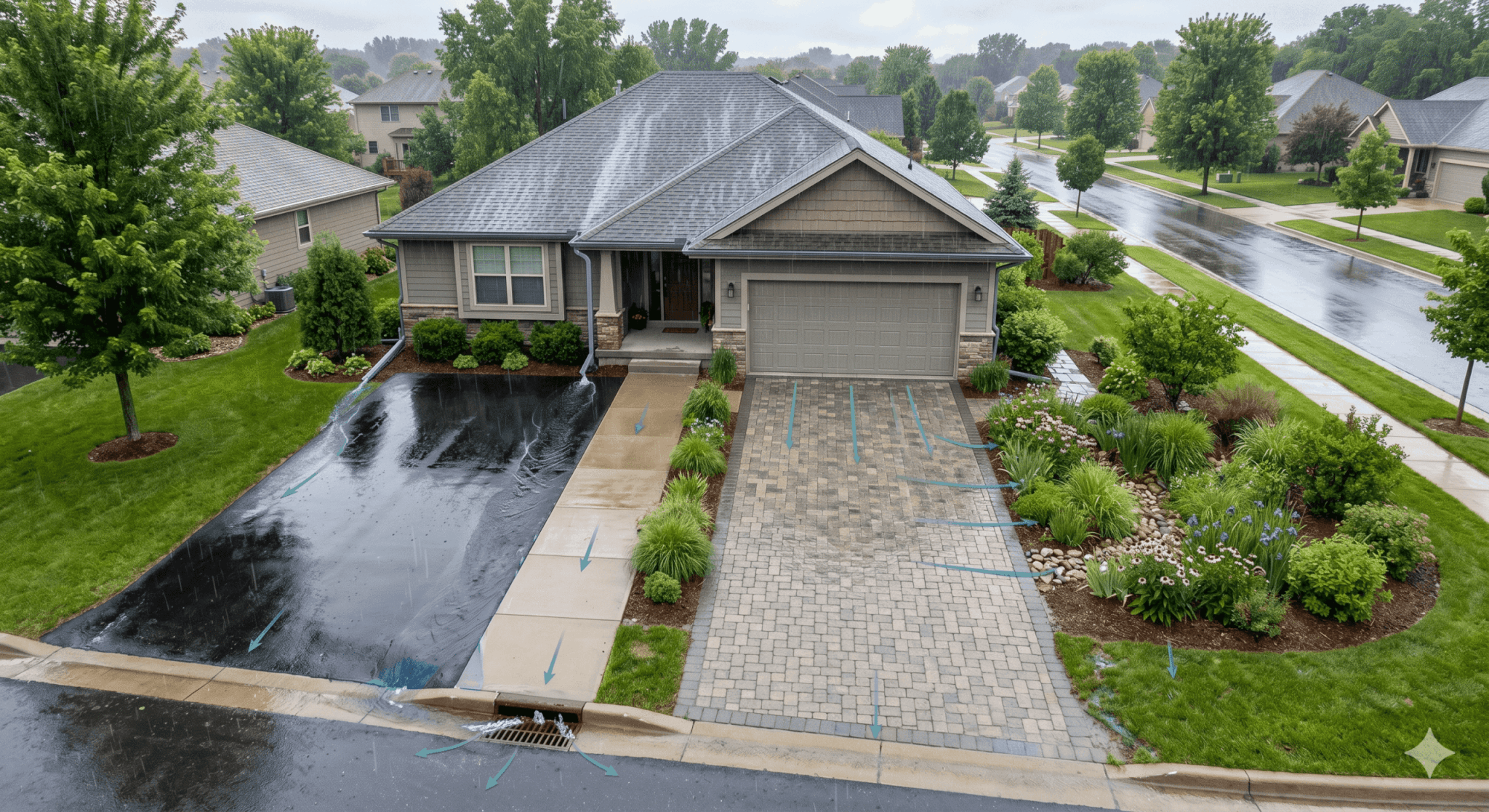
Rain barrels turn roof runoff into free water for your garden. A 55-gallon barrel fills completely from just 0.3 inches of rain on a 300-square-foot roof section. Rainplan’s platform identifies rain barrel rebates in your area and connects you with certified installers, making this upgrade surprisingly affordable.
5. Switch to permeable pavers
Permeable pavers reduce stormwater runoff and can lower your stormwater fees. These surfaces allow rain to soak into the ground rather than flowing into storm drains. Many municipalities offer rebates for permeable surface installations, which Rainplan helps you find and apply for.
6. Upgrade to smart irrigation
Weather-based irrigation controllers adjust watering based on rainfall, temperature, and soil moisture-all automatically. These systems prevent overwatering, keep your landscape healthy, and cut irrigation use by 20-50%.
7. Install efficient fixtures
High-impact swaps:
- WaterSense showerheads deliver satisfying pressure using 2.0 gallons per minute versus 2.5 or more in standard models
- Faucet aerators cost $2-5 and reduce flow without affecting water pressure
- These simple swaps pay for themselves within months
8. Monitor usage patterns
Check your meter weekly at the same time to track your normal usage. Sudden spikes mean you’ve got a new leak or someone’s using more water. Many utilities offer online portals showing daily or hourly usage, helping you spot problems immediately.
9. Pursue rebates and incentives
Utilities and cities offer rebates for water-saving upgrades-everything from efficient toilets to rain gardens. Rainplan’s database tracks these programs, helping you stack incentives for maximum savings. Some programs cover 50-100% of upgrade costs.
Outdoor irrigation tips if your yard drives costs up
Your landscape might be quietly draining your budget. Outdoor water use peaks in summer, often tripling your winter bill. Smart landscaping cuts water use without sacrificing curb appeal.
Soil moisture testing: Insert a screwdriver six inches into the ground. If it penetrates easily, skip watering. Most lawns need just one inch of water weekly, including rainfall.
Measurement technique: Place empty tuna cans around your yard while irrigating; when they’re full, you’ve applied one inch.
These landscape upgrades save water for years:
- Mulch benefits: Three inches of mulch reduces evaporation by 50% while suppressing weeds
- Native plants: Local species need 50-75% less water once established
- Drip irrigation: Delivers water directly to roots with 90% efficiency versus 65% for sprinklers
- Rain gardens: Capture runoff while reducing irrigation needs
- Proper mowing: Taller grass (3 inches) develops deeper roots and needs less water
Hydrozone strategy: Group plants by water needs, creating zones that prevent overwatering drought-tolerant plants while adequately watering thirsty ones. Replace water-hungry turf with native groundcovers in areas you don’t actively use.
What to do if you still see high bills
When DIY fixes don’t work, methodical testing helps you find hidden problems. You might need a pro for complex problems that require special equipment or expertise.
Initial isolation steps:
- Shut off your home’s main valve and check if the meter still runs
- Document findings with photos and meter readings
- Contact your utility with evidence
Utility assistance options:
- Most companies offer one-time leak adjustments with repair receipts
- Request payment plans while addressing underlying issues
- Ask about free or discounted water audits
Professional help might be necessary for:
- Underground leaks: Require specialized detection equipment
- Slab leaks: Water lines under concrete foundations
- Service line issues: Problems between meter and house
- Irrigation mainlines: Buried pipes feeding your sprinkler system
Consider a professional water audit. Many utilities offer free or discounted assessments that identify efficiency opportunities. Rainplan’s virtual site assessments provide similar insights while connecting you with qualified contractors for necessary repairs.
Turn water challenges into long-term savings
High water bills point to chances for smarter water use-not just quick fixes. The changes you make today cut utility costs, boost property value, and make your home more resilient.
Start with the simple fixes like leak repairs and fixture upgrades, then explore bigger improvements that deliver lasting savings. Each upgrade cuts your bills while making your property more valuable and environmentally sound. Turn your property into a water-smart showcase with rain gardens and permeable surfaces that handle stormwater and cut irrigation needs.
These upgrades often qualify for substantial rebates that Rainplan helps you identify and secure. Ready to turn your water challenges into savings opportunities? Search your address on Rainplan to discover available incentives and connect with verified contractors who specialize in water-saving improvements.
For a complete toolkit, explore 50 ways to conserve water across your home and yard.
Frequently asked questions
Why did my water bill double even though I haven’t changed my usage?
A doubled water bill without usage changes typically indicates a hidden leak, most commonly a running toilet that can waste 200 gallons daily, or a billing catch-up after months of estimated readings that underreported your actual consumption.
How can I tell if my water meter is reading accurately?
You can test meter accuracy by turning off all water sources and checking if the leak indicator moves over 15 minutes, or by filling a measured 5-gallon bucket and verifying the meter registers exactly 5 gallons of use.
What’s the difference between my water bill and sewer bill charges?
Your water bill charges for clean water delivered to your home, while sewer charges cover wastewater treatment, with sewer fees typically calculated based on your water usage since utilities assume most water goes down the drain.
Can installing rain barrels really lower my water costs?
Rain barrels reduce water bills by providing free irrigation water, with a 55-gallon barrel saving $10-30 monthly during growing season, and many areas offer rebates through programs that Rainplan helps you find and apply for.
Why is my sewer bill higher than my actual water usage?
Sewer bills higher than water usage result from tiered pricing structures where sewer rates include base fees, infrastructure charges, and stormwater management costs that utilities add beyond the volume-based charges.
How do I find rebates for water-saving home improvements?
You can find water-saving rebates by checking your utility’s website, contacting local environmental agencies, or using Rainplan’s comprehensive database that aggregates available incentive programs and guides you through applications.
Related reading: cut water costs and improve your property
- Rain gardens: a homeowner’s complete guide
- Stormwater management plan: full checklist, costs, and rebates
- What is green infrastructure? Examples and rebates for homeowners
- Permeable pavement: types, costs, and stormwater benefits
- Stormwater utility fees: what they are and how to reduce them
- What is a green bank? Low-interest loans for green home projects
Find Rainwater Rebates in Your Area
Enter your address to see local rebates for rain barrels and green infrastructure. Many programs cover 50%+ of costs.