


Green Investment Banks: Types of Green Finance
With the passing of the Inflation Reduction Act, types of green finance have become of interest to the public, as has an interest in a coalition for green capital. The Inflation Reduction Act was a large package involving healthcare, inflation reduction, and clean energy financing.
With new funds being allocated to green banks and incentive programs from the federal budget, now is an excellent time to read up on types of green finance and, more specifically—the importance of greenbanks.
What is a Green Bank
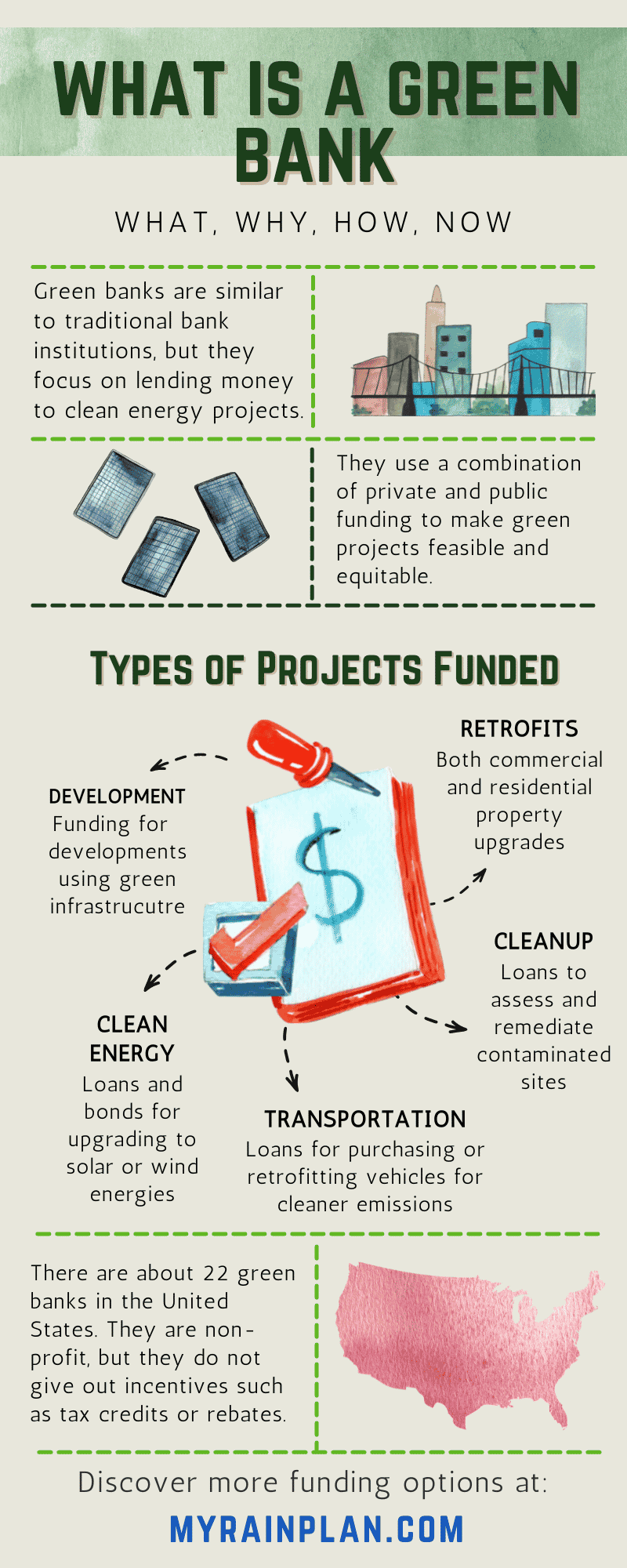
The first green bank started in Connecticut in 2011, and since its inception, approximately 22 have sprung up across the US. With many more on the horizon.
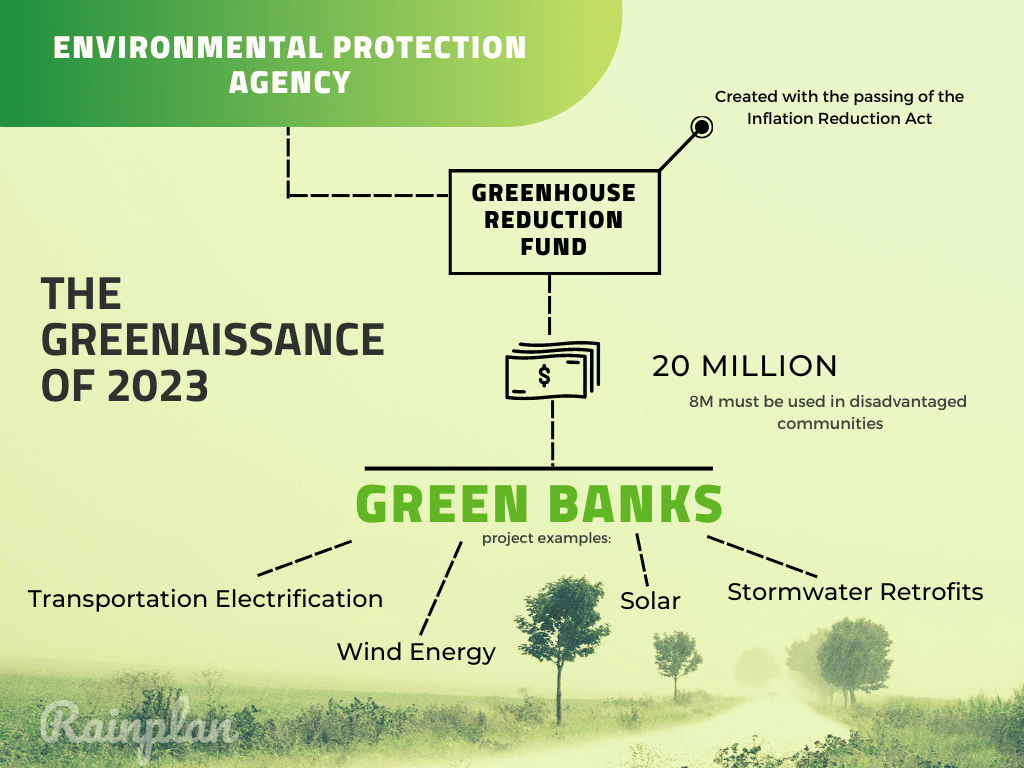
A green bank operates like a traditional bank in financing projects based on potential and return. Where a green bank differs from traditional banking practices is that the objective of financing is to bring equity to clean energy and environmental infrastructure projects. These projects are at higher risk for a traditional bank that may not have the data or understanding to make the investment lower risk. However, green banks tend to have the expertise in these areas (solar, wind, stormwater, electrification, etc.) and are willing to take on financing a higher-risk investment. Green banks also differ in that they use a combination of both public and private funding to start these projects.
Wait? Public Funds?
Some countries, Australia, for example, have a national green bank that uses public funds to help fund clean energy or green projects. In the United States, there has been a push for the first green bank on a national level that would use federal funding, while with the passing of the Inflation Reduction Act looks like we might be heading in this direction; for the moment, most green banks are regionally based and use a combination of public and private funds. Under the Inflation Act, $27 billion would be used in the Greenhouse Gas Reduction Fund–which essentially creates our first national green bank. Something that many entities, like the Coalition for Green Capital and US Greenbanks, have been championing for a while.
Why Do We Need Green Banks
We know that to create a sustainable society, we must deploy rapid clean energy and green infrastructure practices. To get these projects going, everyone needs financing or capital for projects. Green Banks’ green projects happen in new markets and locations and give new technologies a chance that otherwise wouldn’t happen. Ultimately if these projects can be implemented, everyone benefits from lowered utility costs, inflation costs, dependency on foreign capital, and cleaner environments.
Financing Potential
Another great reason for green banks is that it gives private capital providers a chance to get into the clean energy momentum. While some clean energy projects are at higher risk and with limited scale, if a bank can aggregate projects over time, it can then afford to underwrite them and sell off loans to private investors.
There is also equity in financing as a significant bonus for green banks. This means that people from various socioeconomic backgrounds can afford to retrofit or upgrade to cleaner green tech. This is only possible through the democratization of green tech financing.
There are numerous financing structures that green banks can utilize to help provide gap financing, loans, and more. Interested in learning more? Here’s a high overview from the Coalition for Green Capital.
Rainplan and the DC Green Bank Partnership
So why are we spending time on a blog about Green Banks? It’s because Rainplan is pleased to announce that we closed on a $2M deal with the DC Green Bank to be a source of funding for SWPPP, small businesses, and residential projects. Essentially the DC Greenbank has provided Rainplan with a debt facility of 2 million so we can finance projects and help bring about adoption in the stormwater sector.
You can read more about the impact this deal will have via our joint press release.
Green Banks in 2025–2026: Where Things Stand Now
Since this article was first published, the green bank landscape has changed significantly — and the stakes for homeowners have never been higher. Here is a current update on federal and state programs.
The Greenhouse Gas Reduction Fund (GGRF): $27 Billion in Green Bank Capital
The Inflation Reduction Act allocated $27 billion to the EPA’s Greenhouse Gas Reduction Fund, creating the closest thing the US has to a national green bank. In 2024, the EPA awarded grants to eight organizations under three programs:
- National Clean Investment Fund ($14B): Awarded to Climate United Fund, Coalition for Green Capital, and Power Forward Communities — each of which is deploying capital to state and local green banks, community lenders, and green infrastructure contractors
- Clean Communities Investment Accelerator ($6B): Targeting underserved communities through CDFIs and credit unions
- Solar for All ($7B): Dedicated to expanding solar access for low-income households
2025 update: These funds have faced legal and political headwinds, with the EPA under the Trump administration attempting to pause disbursements. Federal courts have issued conflicting rulings. As of mid-2025, most grant recipients have secured partial access to their funds and are actively lending. The situation remains fluid — check with your state green bank for current availability.
Active State Green Banks (2025–2026)
Regardless of federal uncertainty, more than 30 state and local green banks are now operating across the US — up from the 22 mentioned when this article was first written. These programs are independently funded and fully operational:
| Green Bank / Program | State | Homeowner Programs | Stormwater / GI Eligible? |
|---|---|---|---|
| CT Green Bank | Connecticut | Smart-E Loan, Residential Solar | Yes — green infrastructure eligible |
| NY Green Bank | New York | Wholesale lending through CDFIs | Indirectly via CDFI partners |
| DC Green Bank | Washington DC | Residential green loans (incl. stormwater) | Yes — direct residential loans |
| Michigan Saves | Michigan | Home energy and water efficiency loans | Yes — water management eligible |
| Hawaii Green Infrastructure Authority | Hawaii | On-bill financing for green upgrades | Yes |
| RI Infrastructure Bank | Rhode Island | Efficient Homes, PACE financing | Yes — stormwater included |
| Maryland Clean Energy Capital Program | Maryland | Residential and commercial green loans | Yes — Chesapeake Bay GI projects |
| GreenFinanceSF | California (SF) | PACE financing, energy upgrades | Partial — check current eligibility |
| Montgomery County Green Bank | Maryland (county) | Residential green loans | Yes — stormwater and GI eligible |
| Clean Energy Fund (MN) | Minnesota | Efficiency and renewable lending | Indirectly via utility programs |
To find a green bank or green lending program in your state, visit the Green Bank Network or the Coalition for Green Capital.
Use Green Bank Financing for Your Rain Plan
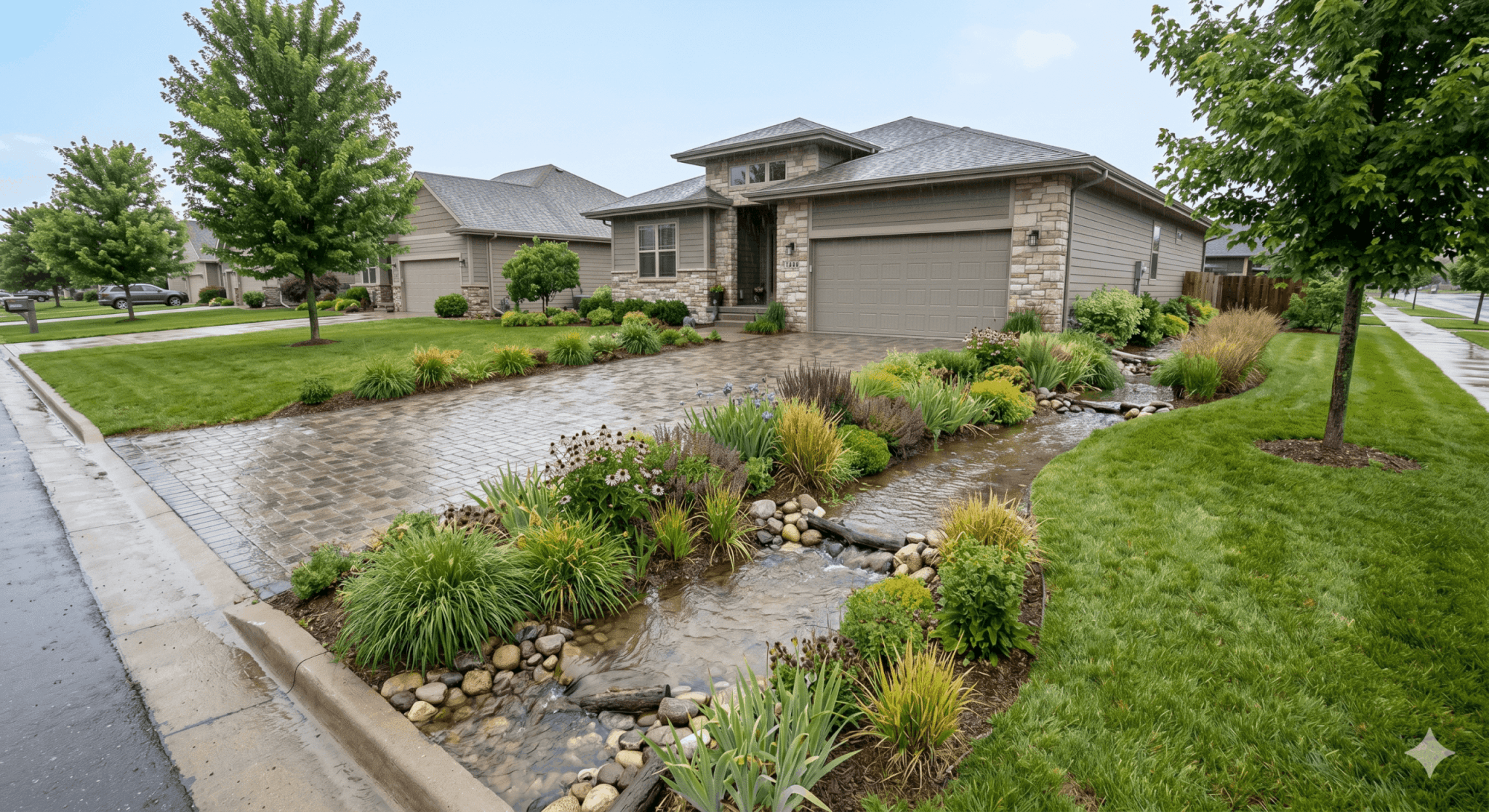
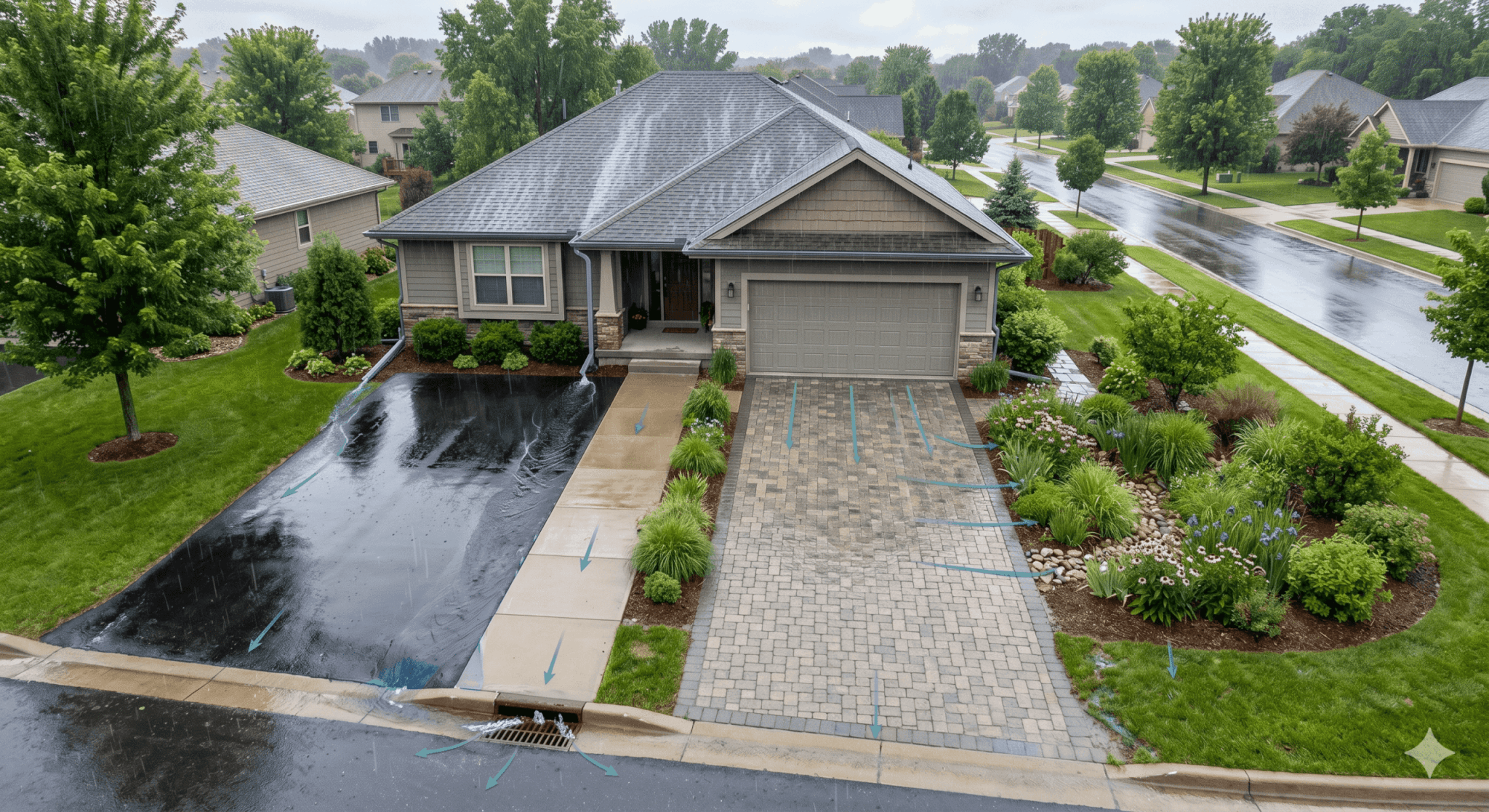
Green bank loans aren’t just for solar panels. Homeowners can use green financing to fund stormwater management projects — including rain gardens, permeable driveways, rainwater harvesting systems, and bioretention installations.
How it works
- Low-interest green loans from state green banks typically range from 3–7% APR — significantly lower than personal loans or home equity lines for smaller projects
- PACE financing (where available) lets you repay through your property tax bill, with no upfront cost
- On-bill financing (in some states) attaches loan repayment to your utility bill
- Rebates + loans stack: You can often combine a green bank loan with a municipal stormwater rebate, covering 50–75% of your project cost through rebates and financing the remainder at a low rate
What stormwater projects qualify?
Eligibility varies by green bank, but commonly approved projects include:
- Rain gardens and bioretention cells
- Permeable driveways and patios
- Rainwater harvesting systems (cisterns, rain barrels)
- Downspout disconnections
- Green roofs
- Stormwater Pollution Prevention Plans (SWPPP) for commercial properties
Rainplan + DC Green Bank: a working example
Rainplan closed a $2M lending facility with the DC Green Bank to finance exactly these types of projects — bringing green bank capital directly to homeowners and small businesses through Rainplan’s platform. If you’re in the DC metro area, you may be able to access financing for your stormwater project through this partnership today.
Enter your address to see financing options
Rainplan matches your property with available rebates, green bank loans, and qualified contractors — all in one place.