


Homeowners can reduce water bills by $200+ annually by fixing leaks, installing WaterSense fixtures that save up to 13,000 gallons yearly, and accessing utility rebates.
Your water bill keeps climbing, but you’re not using more water than usual. Meanwhile, drought restrictions are tightening in your area, and you’re wondering if there’s a smarter way to manage your home’s water use without sacrificing comfort or convenience.
Water conservation goes beyond environmental responsibility. It’s about protecting your budget, keeping your property value strong, and preparing for droughts and water restrictions. Simple fixes, smart upgrades, and a few habit changes can cut your water use by 20-30%-and rebates often cover most of the upfront costs.
You’ll find 50 practical ways to conserve water across your home and yard-from fixing leaky faucets to installing rain barrels or upgrading to water-efficient appliances. You’ll see which changes save the most water, how to prioritize based on your property and budget, and where to find rebates that make upgrades more affordable.
Key takeaways
- Fix leaks immediately to stop wasting thousands of gallons: A single dripping faucet wastes over 3,000 gallons yearly, costing you money every month.
- Start with simple daily habits that cost nothing: Turn off taps while brushing teeth and take 5-minute showers to save 10% or more on your water bill.
- Upgrade to WaterSense fixtures for maximum savings: New toilets alone save up to 13,000 gallons annually, with rebates available to offset costs.
- Use Rainplan to find local incentives and rain barrel programs: Search your address to discover specific rebates and connect with qualified installers for water conservation projects.
- Focus on outdoor efficiency during peak seasons: Water early morning or evening, choose native plants, and add mulch to cut landscape water use by half.
Why conserve water at home and in the yard
Water conservation cuts your bills while helping protect your community’s water supply. Every gallon you save lowers your utility bills, protects your property value, and helps preserve local water supplies.
The average household can cut water bills by $200 or more annually through simple fixes and smart upgrades. A single leaky faucet wastes over 3,000 gallons per year. Multiply that across multiple fixtures, add in outdoor watering inefficiencies, and you’re looking at significant savings potential.
Water conservation gives every property owner three real benefits:
- Lower utility costs: Reducing water use directly cuts your monthly bills, with savings that compound over time as water rates increase.
- Property protection: Smart water management keeps your landscaping healthy during droughts and maintains curb appeal even under water restrictions.
- Environmental resilience: Conservation preserves local water supplies and cuts the energy used to treat and deliver water.
Think about your last water bill. Now imagine cutting it by 20% or more without sacrificing comfort. The practical tips ahead show you exactly how to achieve those savings.
If your bill spiked unexpectedly, start by diagnosing a high water bill. The most common culprits are hidden leaks and seasonal irrigation spikes.
10 indoor tips to reduce water use
[rainplan_cta id=”6661″]
Indoor water use makes up roughly 70% of what your household uses. Small habit changes and smart upgrades can cut waste and lower your bills-starting this month. These strategies tackle your home’s biggest water wasters with actions you can take today-and savings you’ll see on your next bill.
Step 1: Check for leaks in faucets and toilets
Start by reading your water meter, then wait two hours without using any water. If the reading changes, you have a leak somewhere.
For toilets specifically:
- Add food coloring to the tank
- Wait 10 minutes without flushing
- If color appears in the bowl, you need a repair
Fix these leaks immediately to stop wasting up to 20 gallons daily per dripping faucet.
Step 2: Install low-flow fixtures
WaterSense-labeled fixtures use less water while keeping pressure strong. A WaterSense showerhead saves the average family 2,700 gallons annually. Look for the blue label when shopping for faucets, showerheads, and toilets.
Step 3: Use water-efficient appliances
ENERGY STAR dishwashers and washing machines use up to 50% less water than standard models. New dishwashers use as little as 3 gallons per cycle compared to 10 gallons for older units. When it’s time to replace appliances, choose efficiency.
Step 4: Rethink laundry habits
Save water with these simple laundry changes:
- Run only full loads
- Use cold water settings
- Select the appropriate load size
These changes save up to 1,000 gallons monthly for a typical family. Your clothes get just as clean, and you save water plus energy.
Step 5: Shorten showers
Cut shower time from 10 minutes to 5 minutes. This saves 12 gallons per shower. Set a timer or play a 5-minute song to stay on track. Combine with a low-flow showerhead for maximum impact.
Step 6: Turn off the tap while brushing
Running water while brushing teeth or shaving wastes 4 gallons each time. Turn it off and save thousands of gallons yearly. This simple habit costs nothing and saves immediately.
Step 7: Collect cold water for other uses
Catch the cold water that runs while waiting for hot water. Use a bucket or pitcher to collect it for:
- Watering plants
- Filling pet bowls
- Cleaning tasks
Every gallon captured is a gallon saved.
Step 8: Batch dishwashing
Fully loaded dishwashers use less water than handwashing. Skip pre-rinsing dishes and run the dishwasher only when full. Modern dishwashers clean effectively without pre-rinsing.
Step 9: Opt for a high-efficiency washing machine
Front-load washers use about 13 gallons per load versus 40 gallons for older top-loaders. The upgrade cuts laundry water use by more than half while cleaning clothes more gently.
Step 10: Insulate your pipes
Pipe insulation delivers hot water faster, reducing the wait time and water waste. It’s a simple DIY project that pays off through both water and energy savings.
10 outdoor tips for efficient watering
Outdoor water use changes with the seasons and your region, but these practices work anywhere. Your yard and garden can thrive on less water with better timing, smarter watering, and the right plants. These strategies fix common watering mistakes that waste thousands of gallons while keeping your landscape healthy.
Step 1: Water early or late
Water before 10:00 a.m. or after 6:00 p.m. to minimize evaporation. Midday watering loses up to 30% of water to evaporation. Early morning watering gives plants time to absorb moisture before the day heats up.
Step 2: Choose native plants
Native plants adapted to your climate need minimal supplemental watering once established. Examples include:
- West Coast: California poppies thrive in dry conditions
- Midwest: Prairie grasses flourish naturally
- Your region: Research native options specific to your area
Step 3: Add mulch around plants
Apply 2-3 inches of mulch around plants to retain soil moisture and keep roots cool. Mulch reduces water needs by up to 50% while suppressing weeds and improving soil health.
Step 4: Use micro/drip irrigation
Drip systems deliver water directly to plant roots, reducing waste by half compared to sprinklers. These systems work especially well for vegetable gardens and flower beds.
Step 5: Adjust sprinkler heads
Check that sprinklers water only plants, not sidewalks or driveways. Proper adjustment saves hundreds of gallons monthly. Walk your property while sprinklers run to spot and fix misaligned heads.
Step 6: Consider xeriscaping
Xeriscaping uses drought-resistant plants and efficient design principles. This approach works in all climates, not just deserts. Group plants by water needs and use hardscaping strategically.
Step 7: Collect rainwater in barrels
Rain barrels capture roof runoff for later use in your garden. A 1,000-square-foot roof collects over 600 gallons from one inch of rain. Rainplan helps you find local rain barrel programs and incentives to get started affordably.
Step 8: Limit lawn areas
Replace portions of grass with groundcovers, native plants, or permeable hardscaping. Lawns require four times more water than most other landscaping options. Even reducing lawn by 25% creates significant savings.
Step 9: Cover pools and spas
Pool covers cut evaporation losses by up to 90%. An uncovered pool loses hundreds of gallons weekly. Covers also keep debris out and reduce chemical needs.
Step 10: Maintain proper soil health
Healthy soil holds water more effectively. Add compost annually and aerate compacted areas. Good soil structure means less frequent watering and healthier plants.
How to fix leaks and upgrade fixtures
Leak repairs and fixture upgrades pay for themselves faster than any other water conservation project. These improvements save thousands of gallons and hundreds of dollars each year with minimal effort or cost. The comparison below shows exactly how much water and money you’ll save by upgrading to WaterSense-certified fixtures.
| Fixture type | Standard flow rate | WaterSense rate | Annual savings |
| Showerhead | 2.5 gpm | 2.0 gpm | Up to 2,700 gallons |
| Bathroom faucet | 2.2 gpm | 1.5 gpm | Up to 700 gallons |
| Toilet | 3.5+ gpf | 1.28 gpf | Up to 13,000 gallons |
| Kitchen faucet | 2.2 gpm | 1.8 gpm | Up to 500 gallons |
Detecting and fixing leaks
Start your leak detection by checking visible connections under sinks and around toilets. Tighten loose fittings and replace worn washers immediately. Use the food coloring test for toilet tanks to catch silent leaks that waste water constantly.
Prioritizing fixture upgrades
Upgrade to WaterSense fixtures as your budget allows:
- Toilets first: Maximum savings potential
- Showerheads second: High usage frequency
- Faucets third: Consistent daily impact
Many utilities offer rebates that offset upgrade costs. Rainplan’s database helps you find and apply for these incentives in your area.
Simple daily habits that save gallons
Small daily changes add up to serious water savings. These habits are free and become automatic within weeks. Stacking multiple habits boosts your savings, so start with one or two, then add more as they stick.
- Turn off taps: Save 8 gallons daily by turning off water while brushing teeth or shaving
- Time your showers: Use a waterproof timer to keep showers under 5 minutes
- Run full loads: Wait until dishwashers and washing machines are full before running them
- Sweep, don’t spray: Use a broom instead of a hose for driveways and sidewalks
- Capture and reuse: Collect water from rinsing produce or waiting for hot water
- Fix immediately: Repair leaks as soon as you notice them to prevent ongoing waste
Are you already practicing some of these habits? Adding just two or three more can reduce your water use by 10% or more without any investment.
Financing and incentives for water-efficient projects
Water conservation upgrades often come with rebates that make them more affordable. These programs cover upfront costs so you start saving water and money right away. Rainplan streamlines the process of finding and applying for water conservation incentives, matching your property with available programs and guiding you through applications.
Available incentive types include:
- Federal programs: WaterSense rebates and tax credits for certified fixtures and appliances
- State and local rebates: Cash-back programs for toilets, rain barrels, and irrigation upgrades from utilities
- Financing options: Low-interest loans and on-bill financing for larger conservation projects
Search your address on Rainplan to discover specific incentives available in your area and calculate potential savings.
Rain harvesting and reuse for the yard
Rain harvesting collects free water for your yard while cutting stormwater runoff. Legal requirements vary by location, so check local regulations before installing any system. Rainplan specializes in connecting property owners with the right stormwater solutions for their specific situation, analyzing your property’s potential and recommending appropriate systems based on local climate, regulations, and available space.
Rain harvesting options range from simple to sophisticated:
- Rain barrel systems: Basic 50-100 gallon barrels collect roof runoff for garden watering
- Cistern systems: Larger tanks store hundreds or thousands of gallons for extensive irrigation
- Greywater reuse: Properly designed systems safely redirect laundry or shower water to landscapes
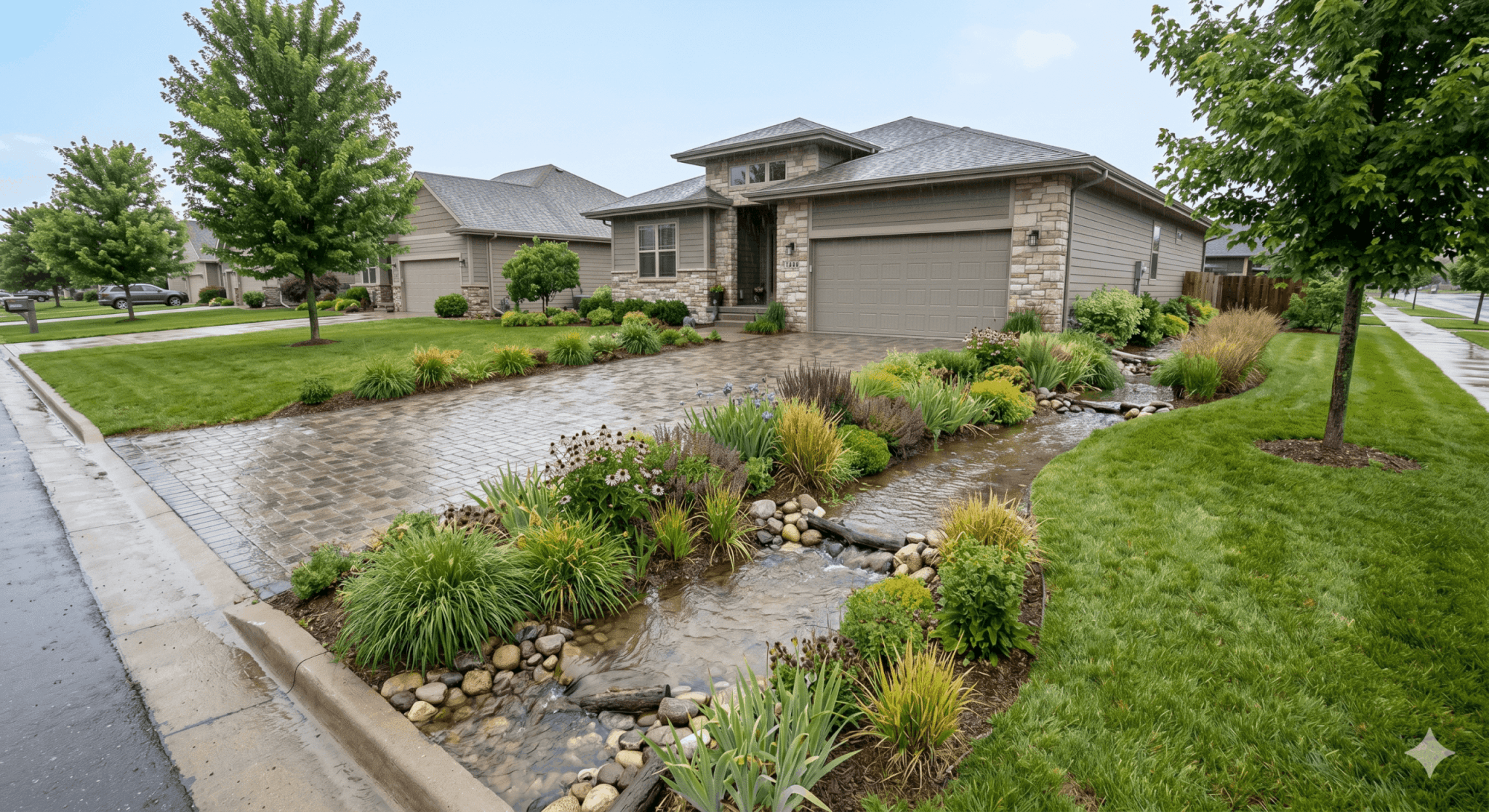
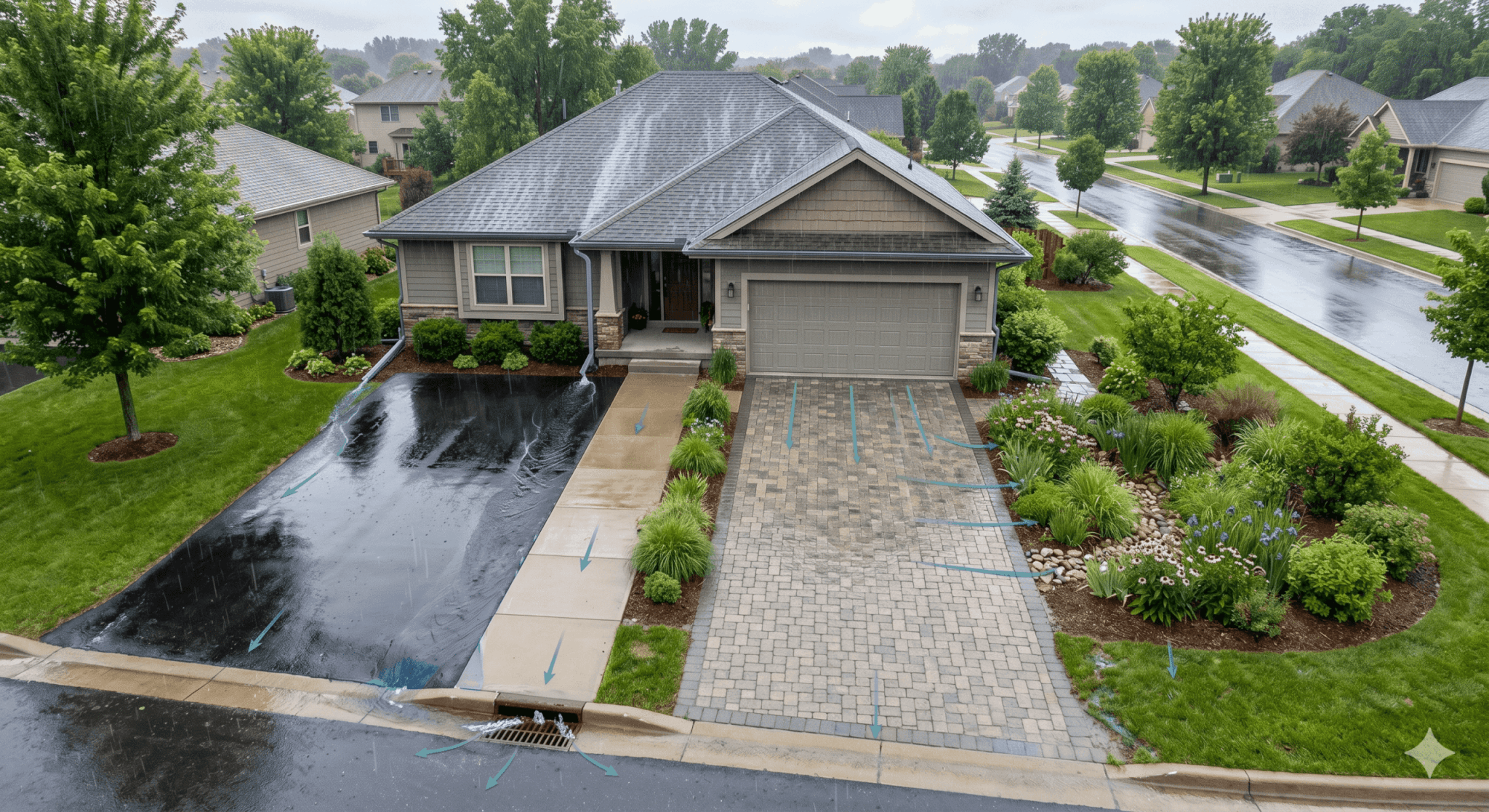
- Stormwater management: Rain gardens and permeable surfaces reduce flooding while conserving water
Connect with qualified installers through Rainplan to ensure safe, code-compliant systems that maximize your water savings potential.
Start saving water and money today
Water conservation makes your property more efficient while protecting your budget and the environment. Every leak you fix, fixture you upgrade, and habit you change adds up to real savings over time.
These strategies can cut water use by 20-40% for most households. Start with the easiest changes like fixing leaks and adjusting daily habits. Then move to upgrades and larger projects as your budget allows.
Rainplan makes it easy to go from research to action. The platform identifies your best conservation opportunities, connects you with incentives and financing, and matches you with vetted contractors for installation. Ready to reduce your water bills and create a more resilient property? Visit Rainplan’s search tool to explore water conservation incentives and solutions tailored to your address.
Frequently asked questions
How much water can a typical family of four save through basic conservation measures?
A family of four can save 20-40% of their water use through basic conservation measures like fixing leaks, installing low-flow fixtures, and changing daily habits. This translates to thousands of gallons and hundreds of dollars saved annually.
Which water-saving upgrade provides the quickest return on investment?
Toilet replacement provides the quickest return on investment, saving up to 13,000 gallons per year when upgrading from an old 3.5+ gallon model to a WaterSense 1.28 gallon toilet.
Are there specific rebates for rain barrel installation in my area?
Rebate availability varies by location. Use Rainplan’s search tool with your address to find specific rain barrel incentives and programs available in your area.
Can I use collected rainwater for vegetable gardens safely?
Yes, collected rainwater is safe for vegetable gardens when used properly. Water the soil around plants rather than leaves, and avoid using water from roofs with chemical treatments.
What water conservation measures can apartment renters implement?
Renters can install removable low-flow showerheads, practice water-saving habits like shorter showers and full loads, report leaks to management promptly, and collect water for plant care.
How do I determine if my property has any water leaks?
Check your water meter before and after a two-hour period of no water use. Any change indicates a leak. Also inspect visible pipes, use the toilet dye test, and monitor your water bill for unexpected increases.
Related reading: water conservation and stormwater management
- Rain gardens: a homeowner’s complete guide to design and installation
- Permeable pavement: types, costs, and stormwater benefits
- Stormwater management plan: full checklist, costs, and rebates
- What is green infrastructure? Examples and rebates for homeowners
- Drought-tolerant landscaping: plants and design for water savings
- Stormwater utility fees: what they are and how to reduce them
- What is a green bank? Low-interest financing for green home upgrades
[rainplan_cta id=”6574″]