

Your property insurance premiums keep climbing, and every heavy rain brings that familiar worry about basement flooding or yard drainage issues. Meanwhile, climate reports talk about “building resilience,” but most guidance feels written for city planners, not homeowners trying to protect their biggest investment.
Climate resilience means your property can handle whatever weather throws at it – floods, heat waves, severe storms – and bounce back without major damage or expense. Resilience goes beyond just surviving the next storm. It’s about maintaining your home’s value, reducing ongoing maintenance costs, and creating systems that actually improve over time. The best part? Many resilience improvements qualify for rebates and incentives that help offset upfront costs.
You’ll see what resilience looks like for your property, get a practical framework for planning improvements, and explore real solutions that actually work. We’ll help you prioritize projects based on your specific risks, find financing that makes upgrades affordable, and show you how Rainplan identifies the right improvements for your address and budget.
Key takeaways
- Start with simple water management projects: Install rain barrels and create small rain gardens where water naturally flows to see immediate flood protection and cost savings.
- Stack multiple funding sources for maximum savings: Combine municipal rebates, utility incentives, and tax credits to reduce project costs by 50-100% through strategic application timing.
- Focus on nature-based solutions that work with your property: Choose native plants and permeable surfaces that handle both heavy rains and droughts while requiring minimal long-term maintenance.
- Use Rainplan to identify targeted solutions and matching incentives: Enter your address to see which programs apply to your property, calculate potential savings, and connect with qualified contractors.
- Track simple performance indicators after storms: Monitor how quickly water drains and document results with photos to prove your investment works and qualify for future incentives.
What is climate resilience?
A resilient community handles extreme weather and comes back stronger – not just intact, but better prepared for next time. That means systems that keep essential services running when storms hit, temperatures spike, or droughts drag on.
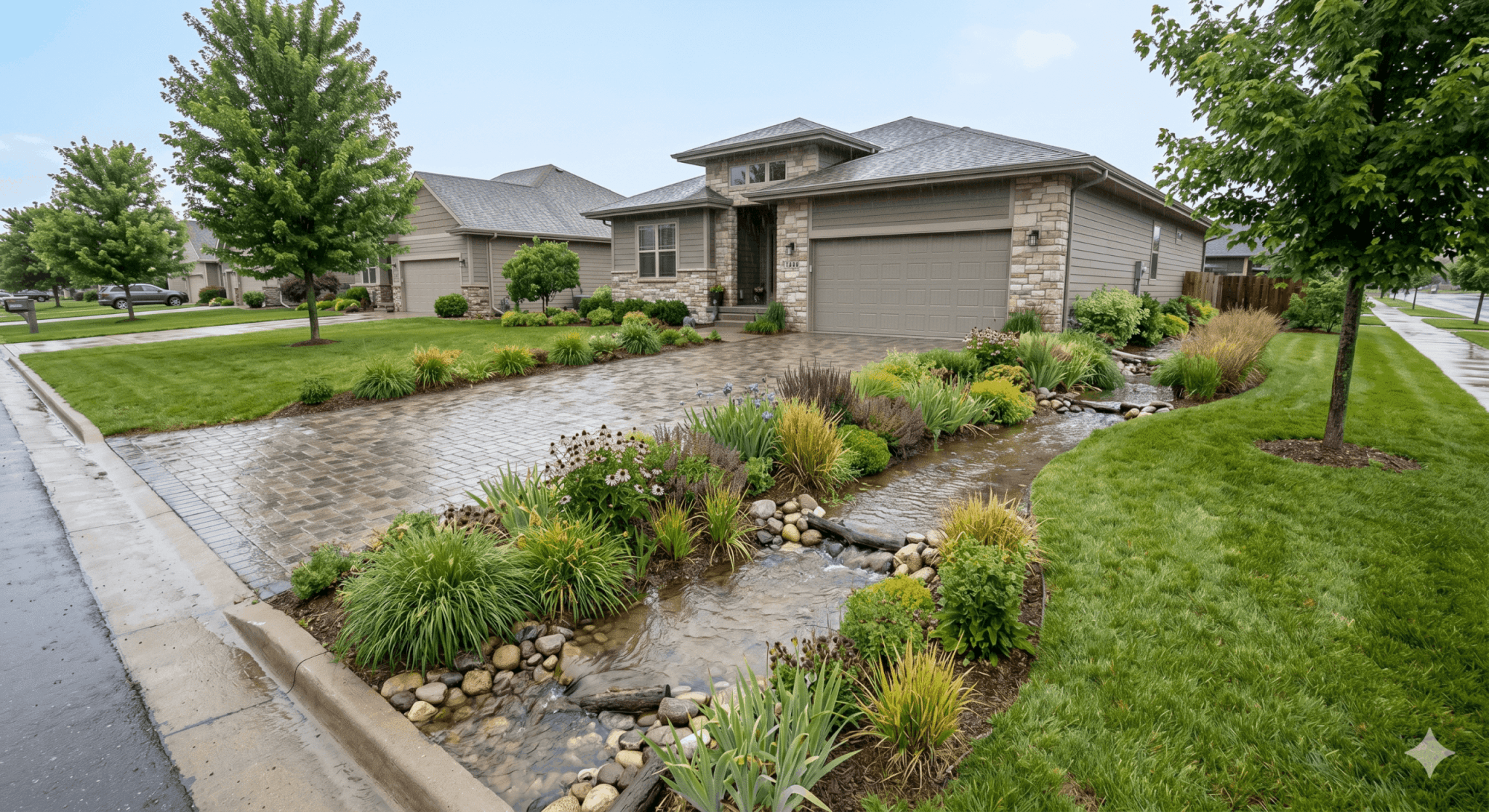
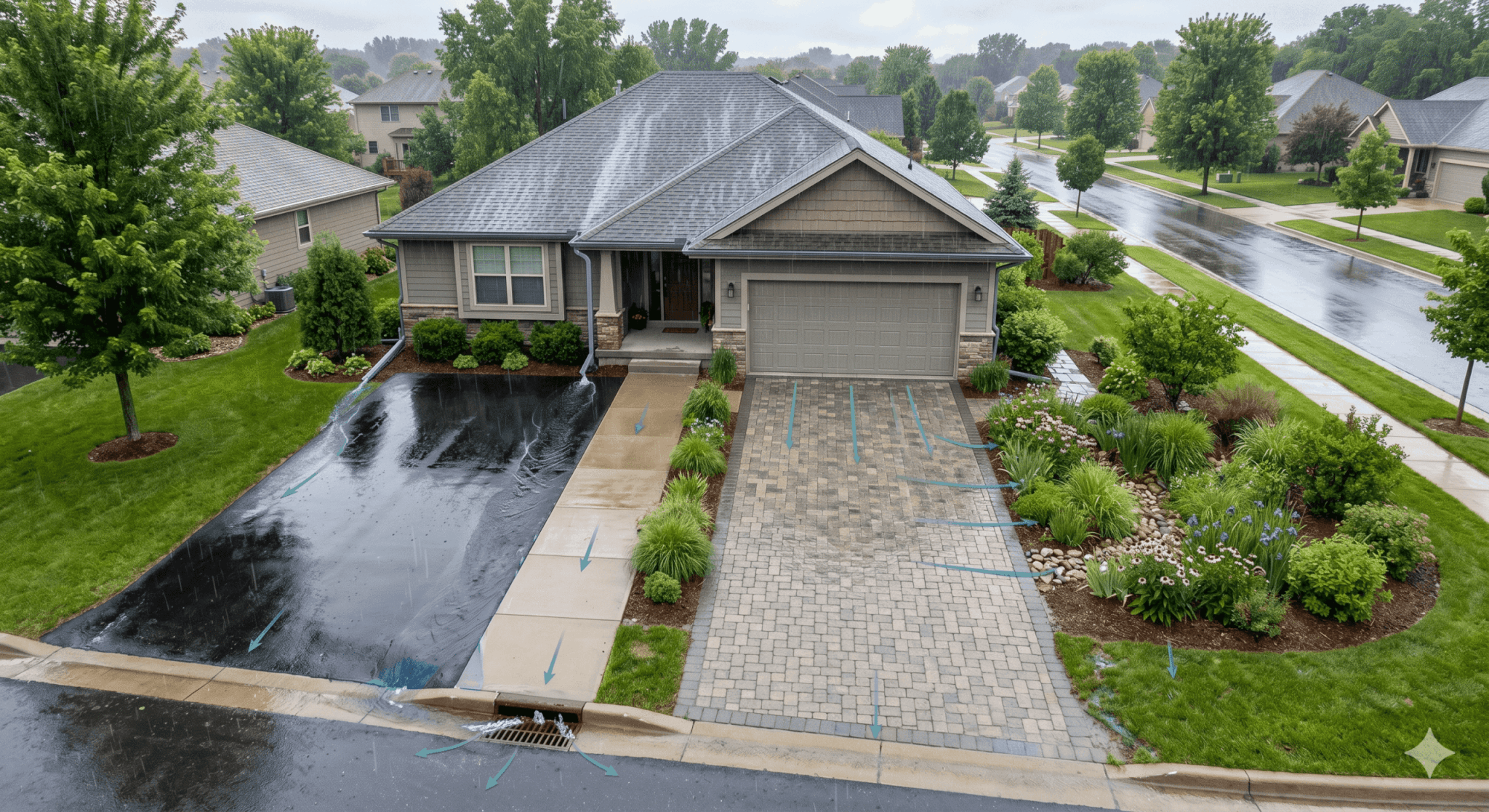
Picture your neighborhood after a major storm. A resilient community sees rain gardens absorbing excess water, permeable driveways preventing street flooding, and neighbors whose basements stay dry because they’ve installed proper drainage. Meanwhile, a less prepared area deals with overwhelmed storm drains, flooded streets, and costly property damage that takes months to repair.
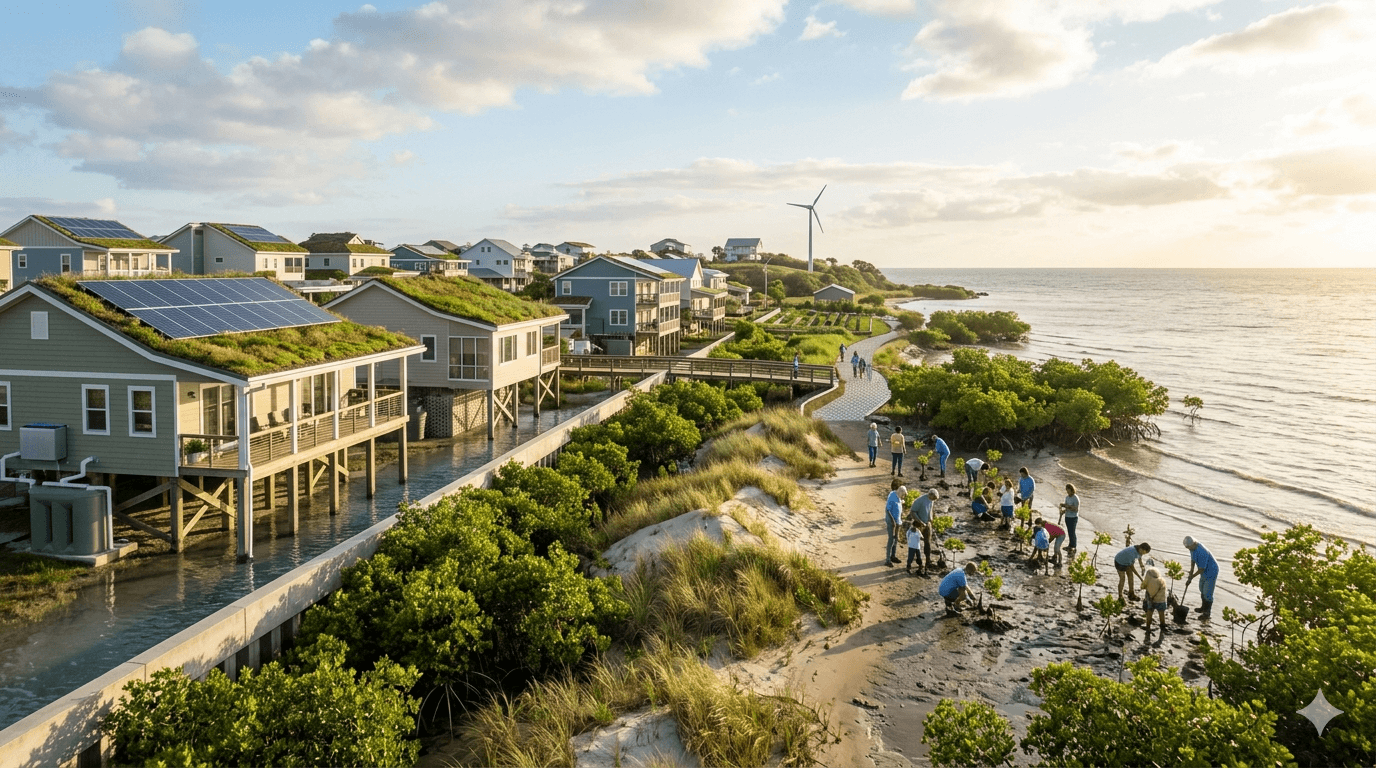
You can build resilience at any scale. Your property becomes more resilient when you install a rain barrel to capture roof runoff. Your neighborhood gains resilience when multiple homes add rain gardens that work together to reduce flooding. The same principles that protect a single yard can scale up to safeguard entire districts.
Climate adaptation vs. resilience: understanding the difference
Find Rainwater Rebates in Your Area
Enter your address to see local rebates for rain barrels and green infrastructure. Many programs cover 50%+ of costs.
[gutenberg_cta id=’6661′]
Here’s a question we hear often: Do I need climate adaptation or climate resilience? Knowing the difference helps you choose the right projects and get the most from your investment.
Here’s the distinction that matters for your planning:
| Aspect | Climate adaptation | Climate resilience |
| Focus | Long-term adjustments to changing conditions | Ability to withstand and recover from shocks |
| Timeline | Gradual changes over years | Immediate response and recovery capacity |
| Example | Switching to drought-tolerant landscaping | Installing backup drainage for sudden storms |
| Scope | Permanent shifts in how you manage property | Both adaptation plus emergency preparedness |
Resilience includes adaptation as one piece of the puzzle. When you make your property resilient, you’re both preparing for sudden events and adjusting to long-term changes. Think of adaptation as one piece of your broader resilience strategy.
Why climate resilience matters for property owners
Extreme weather puts your property at real financial risk, but smart preparation pays off – protecting both your investment and your family’s safety. These benefits show you which improvements deliver the most value.
A single flood can cause thousands in damage, while proper preparation costs a fraction of that amount. Property owners who invest in green infrastructure see immediate returns through reduced damage, lower insurance premiums, and decreased stormwater fees.
The benefits extend beyond avoiding disasters. Climate-resilient properties command higher resale values because buyers recognize the value of flood protection and sustainable features. Your investment in resilience becomes a selling point that sets your property apart.
Consider what resilience delivers for your specific situation:
- Financial protection: Avoid basement flooding that averages $25,000 in repairs, qualify for insurance discounts up to 15%, and earn stormwater fee credits worth hundreds annually
- Property value: Homes with proper drainage and green infrastructure sell faster and for 3-7% more than comparable properties without these features
- Neighborhood benefits: When multiple properties manage stormwater, everyone experiences less street flooding and better drainage during storms
- Daily advantages: Native plants reduce watering needs, rain barrels provide free irrigation water, and permeable surfaces eliminate puddles
7 core principles of climate resilient infrastructure
Effective resilience starts with a few key principles that guide your infrastructure decisions. These principles help you choose solutions that protect your property long-term and make the most of your investment. Each one tackles a different part of building systems that work when it matters most.
1. Proactive planning
Design for tomorrow’s climate, not yesterday’s weather patterns. This means sizing your rain garden for projected rainfall increases and choosing plants that handle both heavy rains and dry spells. When you plan proactively, you avoid costly retrofits later.
2. Nature-based solutions
Work with natural processes instead of fighting them. Rain gardens filter pollutants naturally while managing stormwater. Native plants develop deep roots that improve drainage without expensive maintenance. These solutions cost less upfront and deliver multiple benefits beyond just water management.
3. Inclusive community engagement
Successful projects involve neighbors from the start. When everyone understands how bioswales reduce flooding, they’re more likely to maintain them properly. Local knowledge about problem areas and past flooding helps you design solutions that actually work.
4. Adaptive building codes
Modern building codes reflect lessons from recent storms. Higher foundation requirements, improved drainage standards, and green infrastructure mandates protect your investment. Following these standards, even when not required, qualifies you for insurance discounts and protects against future damage.
5. Flexible funding mechanisms
Multiple funding sources make projects affordable. Combine municipal rebates with utility incentives and tax credits to reduce costs significantly. Rainplan’s platform identifies which programs apply to your address, showing exactly what documentation you need and how much you could save.
6. Regular monitoring
Track how your systems perform after storms. Does water drain within 48 hours? Are plants thriving? Simple observations help you catch problems early and prove your project’s success for future applications or property sales.
7. Resilient supply networks
Maintain backup systems for essential needs. Rainwater harvesting provides irrigation during droughts and reduces demand on municipal systems. Having these alternatives means you’re prepared when infrastructure fails.
Practical climate resilience solutions: your action sequence
The right starting point makes resilience feel doable, not overwhelming. This approach helps you prioritize projects that protect your property most while building on what you’ve already done.
This sequence helps you prioritize projects that deliver the most protection for your investment:
- Map water pathways: Identify where water flows, pools, and causes problems
- Capture runoff: Install rain barrels or cisterns at downspouts
- Create infiltration zones: Add rain gardens where water naturally collects
- Reduce impervious surfaces: Replace concrete with permeable alternatives
- Establish long-term resilience: Plant native species and trees
Green stormwater infrastructure
Green infrastructure manages water naturally through soil and plants. Unlike storm drains that rush water away (often causing downstream flooding), these systems slow water down and clean it before it reaches waterways.
Bioswales along driveways capture runoff while adding attractive landscaping. Even small rain gardens reduce the burden on municipal systems during storms. The key is choosing the right solution for your property’s specific conditions.
Rain gardens
Rain gardens are shallow depressions that collect and filter stormwater. They work best in spots where water already flows, like the base of downspouts or low areas in your yard.
Key design considerations:
- Location: Site your rain garden at least 10 feet from foundations to prevent water damage
- Plant selection: Choose native plants with deep roots that tolerate both wet and dry conditions
- Maintenance timeline: Once established (usually 2-3 years), these gardens need minimal maintenance while providing year-round visual interest
Permeable pavements
Permeable surfaces let water soak through instead of running off. Options range from permeable concrete for driveways to interlocking pavers for patios. Each square foot of permeable surface can manage about 100 gallons of water annually.
Installation factors:
- Soil compatibility: Success depends on proper installation and soil conditions
- Drainage requirements: Clay soils may need additional drainage layers, while sandy soils work perfectly
- Ongoing care: Regular maintenance (annual vacuuming or pressure washing) keeps pores open and water flowing
Rainwater harvesting
A single rain barrel captures 50-80 gallons per storm, providing free water for gardens during dry periods. Larger cisterns store thousands of gallons for extensive irrigation needs. Calculate your potential: one inch of rain on 1,000 square feet of roof yields about 600 gallons.
Planning essentials:
- Regulatory compliance: Check local regulations first, as rules vary widely
- Incentive opportunities: Some areas restrict collection while others offer rebates up to $200 per barrel
- Installation requirements: Position barrels on stable, level surfaces and include overflow routing for heavy storms
Native landscaping
Native plants deliver resilience through deep root systems that improve drainage and drought tolerance. These plants need no fertilizers, minimal watering once established, and support local wildlife.
Establishment timeline:
- Initial care: Plants need regular watering for 2-3 years while roots develop
- Long-term performance: After establishment, they’ll outperform traditional landscaping in both wet and dry conditions with almost no maintenance
Planning, financing, and maintaining your green infrastructure
Ready to move from planning to action? You’ll need to navigate incentives and understand what maintenance looks like. This approach clears common roadblocks, speeds up your timeline, and helps you capture every dollar of available savings.
Step 1: Identifying local incentives
Your address determines which programs apply to your property. Municipalities, utilities, and state agencies each offer different incentives with varying requirements. Some programs stack together, multiplying your savings.
Rainplan aggregates these programs in one searchable database. Enter your address to see available rebates, required documentation, and application deadlines. This targeted approach saves hours of research and ensures you don’t miss valuable opportunities.
Step 2: Preparing your application
Strong applications include specific documentation that programs require. Good prep speeds approval and prevents delays that push back your project.
Most programs need these elements:
- Site documentation: Current photos, property measurements, and drainage patterns
- Project details: Contractor quotes, material specifications, and installation timeline
- Proof of ownership: Property deed or recent tax bill
- Design plans: Simple sketches showing project location and dimensions
Submit applications before starting work, as many programs require pre-approval. Processing typically takes 2-8 weeks, so plan accordingly. Working with experienced contractors speeds approval since they understand program requirements.
Step 3: Securing financing
When incentives don’t cover full costs, several financing paths keep projects affordable. Know your options, and you’ll pick the approach that fits your budget and timeline.
Available financing options:
- Personal loans: Quick approval but higher interest rates
- Home equity credit: Lower rates for larger projects
- PACE financing: Repay through property taxes over 10-20 years
- Utility programs: Some offer zero-interest loans for qualified projects
Rainplan connects you with financing options specific to green infrastructure, including programs that pay upfront costs with performance-based repayment.
Step 4: Understanding maintenance requirements
Different solutions need different care levels. Know what maintenance looks like, and you’ll choose systems that match your available time while protecting your investment long-term.
Maintenance by solution type:
- Rain barrels: Clean screens monthly, winterize in cold climates, check overflow routing
- Rain gardens: Weed and mulch annually, remove sediment every 3-5 years
- Permeable pavement: Vacuum or pressure wash annually to maintain infiltration
- Native landscaping: Minimal care after establishment, just annual pruning
Measuring success: simple indicators that matter
Track performance to prove your investment works and spot any tweaks you need to make. These indicators show whether your systems work properly and help you document results for future rebates or when you sell.
After heavy rain, watch how quickly water drains. Rain gardens should empty within 24-48 hours. Longer standing water suggests soil compaction or undersized capacity. Document observations with photos for future reference or incentive applications.
Performance monitoring checklist
Quick performance checks you can do yourself:
- Water infiltration: Time how long puddles last after storms
- Plant health: Note which species thrive in wet and dry periods
- Sediment movement: Check for erosion or debris accumulation
- Overflow patterns: Observe where excess water goes during heavy storms
Troubleshooting common issues
When performance falls short, three issues usually explain problems:
- Soil compaction: Aerate or add compost to improve infiltration
- Clogged inlets: Clear debris from entry points and overflow routes
- Poor grading: Adjust slopes to direct water properly
Technology platforms like Rainplan help track long-term performance and document improvements for rebates or property resale. Regular monitoring turns abstract resilience concepts into measurable results you can see and prove.
Start building resilience with the right solutions for your property
Resilience feels achievable once you know which solutions work for your property. Your property’s unique features determine which improvements work best and cost least.
Your property’s drainage patterns, soil conditions, and improvement opportunities determine which solutions deliver the greatest benefit. Skip the guesswork. Identify improvements that tackle your specific challenges and capture every available incentive.
Rainplan analyzes your property’s characteristics to identify tailored solutions and matching incentives. See which programs apply to your address, calculate potential savings, and connect with qualified contractors who understand green infrastructure installation.
Frequently asked questions
What’s the difference between climate mitigation and climate resilience?
Climate mitigation reduces greenhouse gas emissions to slow climate change, while climate resilience prepares communities to handle climate impacts that are already occurring or inevitable. Mitigation might include solar panels or electric vehicles, while resilience involves rain gardens, flood barriers, and heat-resistant landscaping.
How much does it cost to make a property climate resilient?
Making a property climate resilient can cost anywhere from $500 for basic rain barrels to $10,000+ for comprehensive green infrastructure including rain gardens, permeable driveways, and native landscaping. Many projects qualify for rebates covering 50-100% of costs through local incentive programs.
Which climate resilience projects offer the fastest return on investment?
Rain barrels and downspout disconnection offer the fastest returns, often paying for themselves within 1-2 years through reduced water bills and stormwater fee credits. Rain gardens and permeable pavement typically show returns within 3-5 years through avoided flood damage and increased property value.
Can renters implement climate resilience measures?
Renters can implement portable climate resilience measures like rain barrels, container gardens with native plants, and temporary permeable pavers for patios. Many municipalities offer renter-specific programs, and landlords often support projects that protect property value and reduce maintenance costs.
How do I know if my soil is suitable for rain gardens?
Test your soil’s suitability for rain gardens by digging a 12-inch deep hole, filling it with water, and timing how long it takes to drain. If water drains within 24-48 hours, your soil works for rain gardens. Clay soils draining slower than 48 hours need amended soil or underdrain systems.
What maintenance do green infrastructure projects require in winter?
Winter maintenance for green infrastructure includes disconnecting rain barrels before freezing, cutting back dead vegetation in rain gardens, clearing leaves from bioswale inlets, and applying sand instead of salt near permeable surfaces. Most systems need minimal winter care beyond preventing ice damage.
Related reading: climate resilience and green infrastructure
- Stormwater management plan: full checklist, costs, and rebates
- Rain gardens: a homeowner’s complete guide
- What is green infrastructure? Examples and rebates for homeowners
- Rainwater harvesting 101: collect, store, and use rainwater at home
- Permeable pavement: types, costs, and stormwater benefits
- Flood prevention techniques: what to do before the next storm
- Stormwater utility fees: what they are and how to reduce them
- What is a green bank? Financing for climate-resilient home upgrades
[gutenberg_cta id=’6574′]
Turn Runoff Into Rebates
Join Rainplan to access personalized data and discover sustainable solutions tailored to your specific site.