

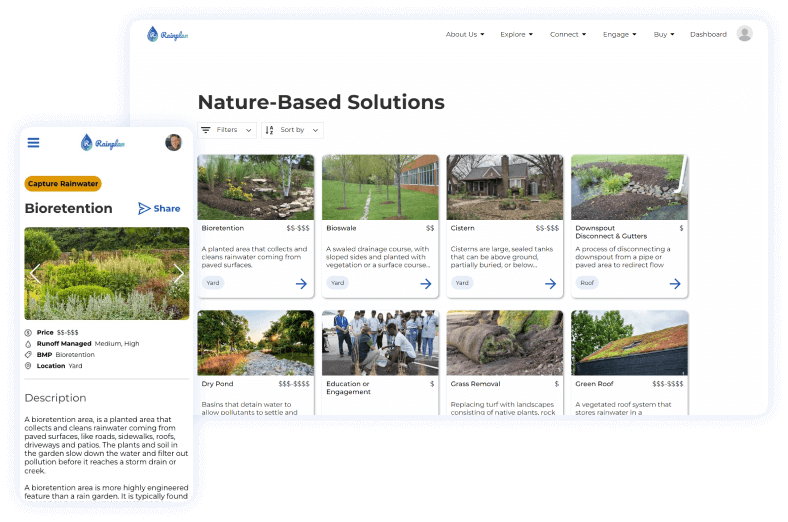

Taking out turf and adding in native plants can help your allergies.

Tired of itchy eyes, stuffy noses, and relentless sneezes when you step outside? Your yard might be part of the problem—or the solution. In Southern California, native landscaping isn’t just beautiful—it’s a powerful ally against seasonal allergies.
🧬 The Allergy Connection: Wind Pollinators Are Evil
Not all plants are created equal—especially when it comes to pollen. Wind-pollinated plants (like grasses, oaks, junipers, pine) release tiny, airborne pollen that travels far and triggers allergies. By contrast, insect-pollinated natives produce larger, stickier pollen that insects carry—instead of your lungs carrying it around
🌼 Quick Review:
Research-backed gardening focuses on selecting insect-pollinated, low-OPALS (Allergy Scale) native plants:
- Allergen-friendly landscaping guides recommend native species like yarrow, kinnikinnick, and stonecrop, rated OPALS ≤4 for minimal irritation bcsla.org.
- Studies show insect-pollinated plants are “generally safer for allergy sufferers” compared to wind-pollinated onesWhen designing a yard that’s kinder to your sinuses, the key is choosing insect-pollinated native plants over wind-pollinated grasses and trees. Some excellent options for Southern California include yarrow (Achillea millefolium), known for its feathery foliage and bright blooms, and Cleveland sage (Salvia clevelandii), which smells amazing but won’t irritate your allergies. California lilac (Ceanothus) adds vibrant blue color with very low pollen output, while deer grass (Muhlenbergia rigens) gives the look of ornamental grass without the allergy baggage.Avoid traditional turfgrasses, junipers, male ash trees, and ornamental rye—these are wind-pollinated plants that are some of the worst offenders for allergy sufferers. Choosing the right plants isn’t just a landscaping decision—it’s a health decision. By filling your yard with native, allergy-friendly species, you create a safer, more breathable outdoor space for everyone in your home.
🔄 Bonus: Biodiversity Boost and Immune Health
A diverse native garden does more than soothe your sinuses:
- Promotes pollinator-friendly ecosystems, reducing pesticide and fertilizer needs. LESS CHEMICALS EQUALS HEALTHIER LUNGS!
- Increases microbial diversity in the environment, linked to lower allergy and inflammatory rates in children fknursery.com.
🏡 Allergy-Friendly Landscape Design Tips
- Choose insect-pollinated natives with low OPALS scores.
- Group high-pollen plants away from your house and outdoor seating
- Skip male-only trees and turf—they pump out airborne pollen.
- Avoid invasive or hybrid nativars that could eliminate useful pollen sources
- Minimize leaf-blowing & mowing—both stir up pollen and allergens.
✅ Final Takeaway
Native landscaping isn’t just a beautiful, drought-smart choice—it’s a health-smart one. By favoring insect-pollinated natives and avoiding wind-pollinated plants, you can reduce airborne allergens, promote pollinators, and even help support your family’s immune health—all while saving water and maintenance time.

👉 Learn more:
- Download allergy-friendly plant lists (OPALS-based)
- Weed out allergy triggers and embrace sneeze-smart design
- Connect with Rainplan to start your low-allergy yard today