

Grass alternatives like clover and fine fescues reduce water consumption by 40-70% while cutting mowing frequency from weekly to 2-3 times yearly, with municipal rebates available.
Your weekend routine probably includes at least one task you’d rather skip: mowing the lawn. Between watering, fertilizing, edging, and dealing with brown patches, traditional grass demands constant attention and resources. Meanwhile, water bills climb, especially during dry spells, and you’re left wondering if there’s a smarter approach to creating an attractive, functional yard.
Grass alternatives cut your maintenance time and water bills while helping manage stormwater runoff right on your property. You’ve got options: living ground covers like clover and native sedges, or hardscape solutions like permeable pavers and decorative gravel. Each alternative delivers real benefits: you’ll use less water, mow less often, and work with your climate instead of fighting it. Many also contribute to stormwater management and provide habitat for beneficial insects.
We’ll walk through 15 proven grass alternatives — what they need, where they thrive, and what they cost. You’ll discover which options work best for high-traffic areas, shaded spots, and different regional conditions, plus practical steps for making the transition from traditional turf to a more sustainable landscape solution.
Key takeaways
- Start small with a test area before full conversion: Try a 100-square-foot section to evaluate maintenance and visual appeal, then scale up based on what works for your specific conditions.
- Match alternatives to your climate and usage patterns: Northern regions suit clover and fine fescues, while hot climates need native grasses and hardscapes — consider foot traffic when choosing.
- Combine multiple solutions across your property for maximum impact: Use permeable hardscapes for high-traffic paths, moss for shady spots, and native plants for slopes to address different functional needs.
- Expect 20-70% water savings with most living alternatives: Clover uses 50% less water than traditional grass, while meadow lawns can reduce usage by 70% once established. Here are some water-saving lawn alternatives.
- Discover local rebates and qualified contractors through Rainplan: Many municipalities offer incentives for lawn replacement and stormwater management projects that can offset installation costs significantly.
Why switch to a grass alternative
Picture your Saturday morning. You’re pushing a mower across the lawn for the third time this month, watching your water bill climb, and wondering if there’s a smarter way to have an attractive yard. You’re not alone in questioning the traditional grass lawn that demands weekly mowing, constant watering, and seasonal chemical treatments.
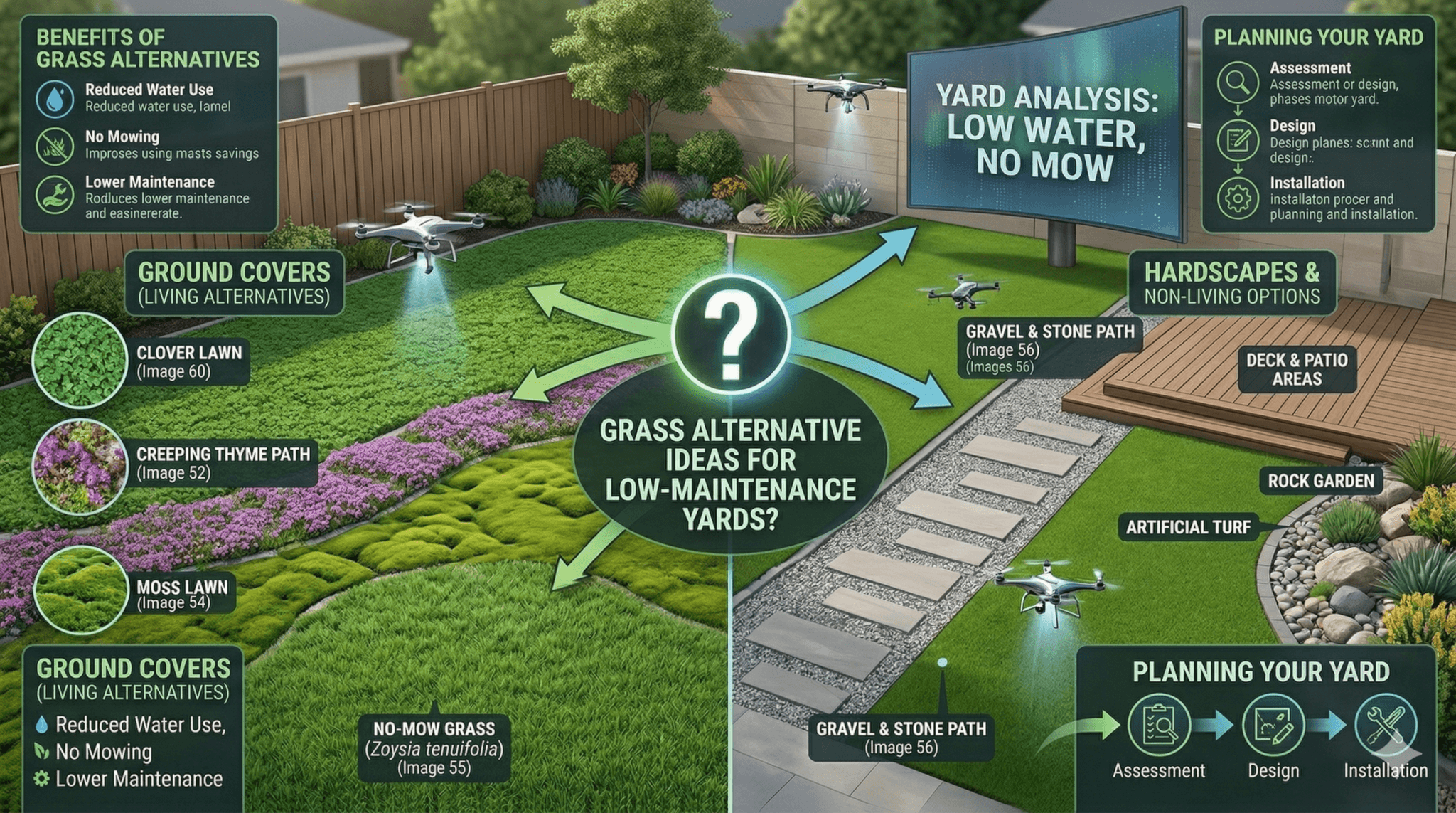
A grass alternative? It’s anything that replaces traditional turf — from flowering ground covers to gravel paths. This includes flowering ground covers, native plants, gravel paths, and mulched beds. The goal: create an attractive yard that works with your climate instead of fighting it.
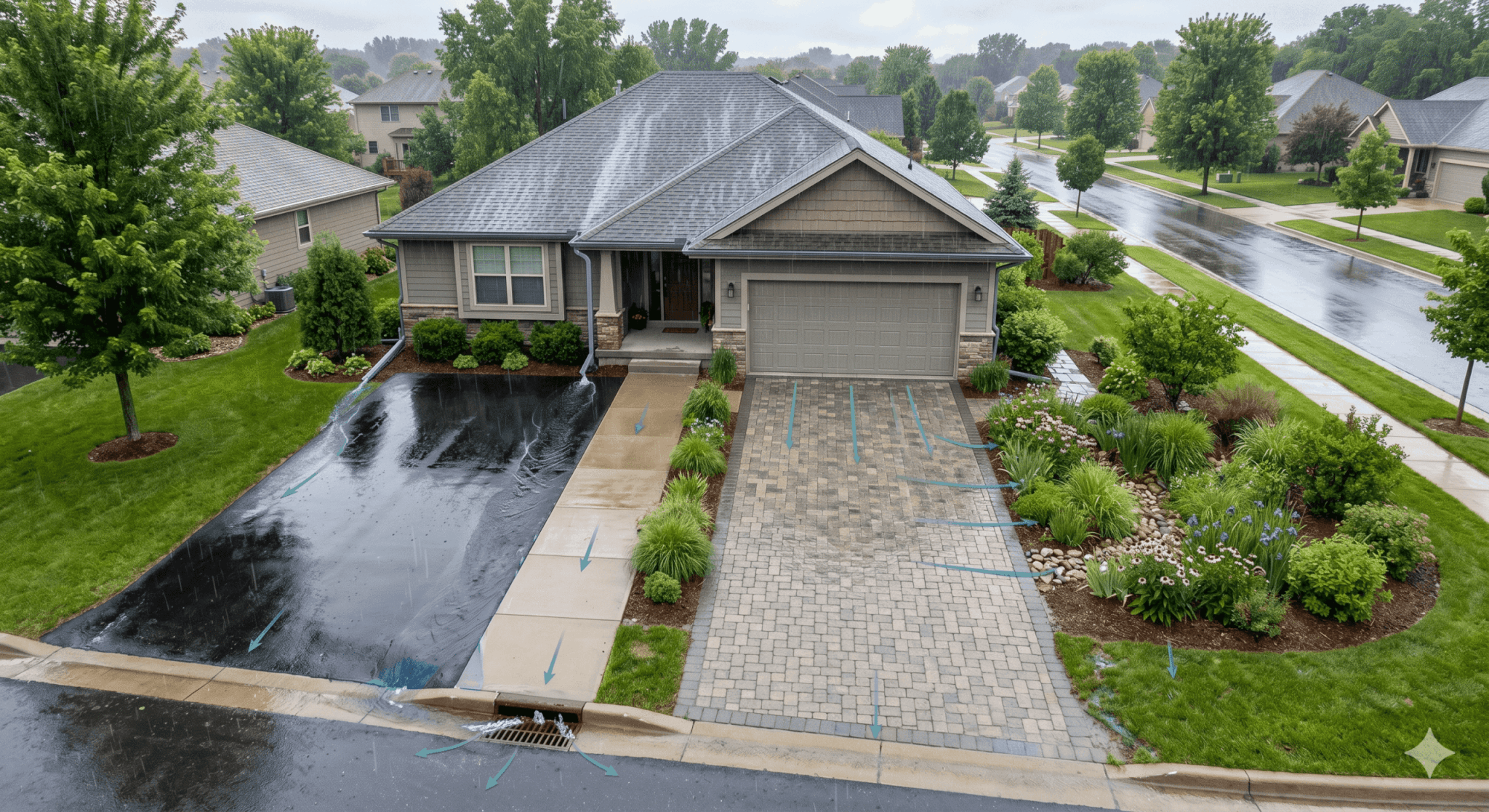
Choosing grass alternatives reflects a bigger shift: we’re rethinking what our yards should actually do for us. These choices do more than save you time — they help manage stormwater, protect local water quality, and build community resilience. Replace thirsty turf with permeable surfaces or deep-rooted natives, and you’ll cut the runoff that carries pollutants into storm drains. You’re also creating habitat for pollinators and contributing to neighborhood-wide environmental health.
Here’s why homeowners make the switch — and what it means for your property:
- Water conservation: Native ground covers and drought-tolerant alternatives cut your outdoor water use by 20-50%. In regions with water restrictions or tiered pricing, you’ll see the savings on your monthly bill right away.
- Reduced maintenance: Most alternatives eliminate weekly mowing. Many require cutting only 2-3 times per year. You’ll skip the fertilizing schedule and pest treatments that traditional turf demands — which means more free weekends and lower equipment costs.
- Environmental benefits: Native plants and permeable surfaces create habitat for pollinators and beneficial insects while managing stormwater right on your property. They cut chemical runoff, build healthier soil, and give beneficial insects and birds the corridors they need.
The right choice depends on your specific conditions: sun exposure, foot traffic, and the look you’re after. A shady backyard in Seattle needs different solutions than a sunny front yard in Phoenix. Rainplan shows you which alternatives work best for your climate and connects you with local incentives that offset installation costs.
7 low-maintenance grass alternatives you can try
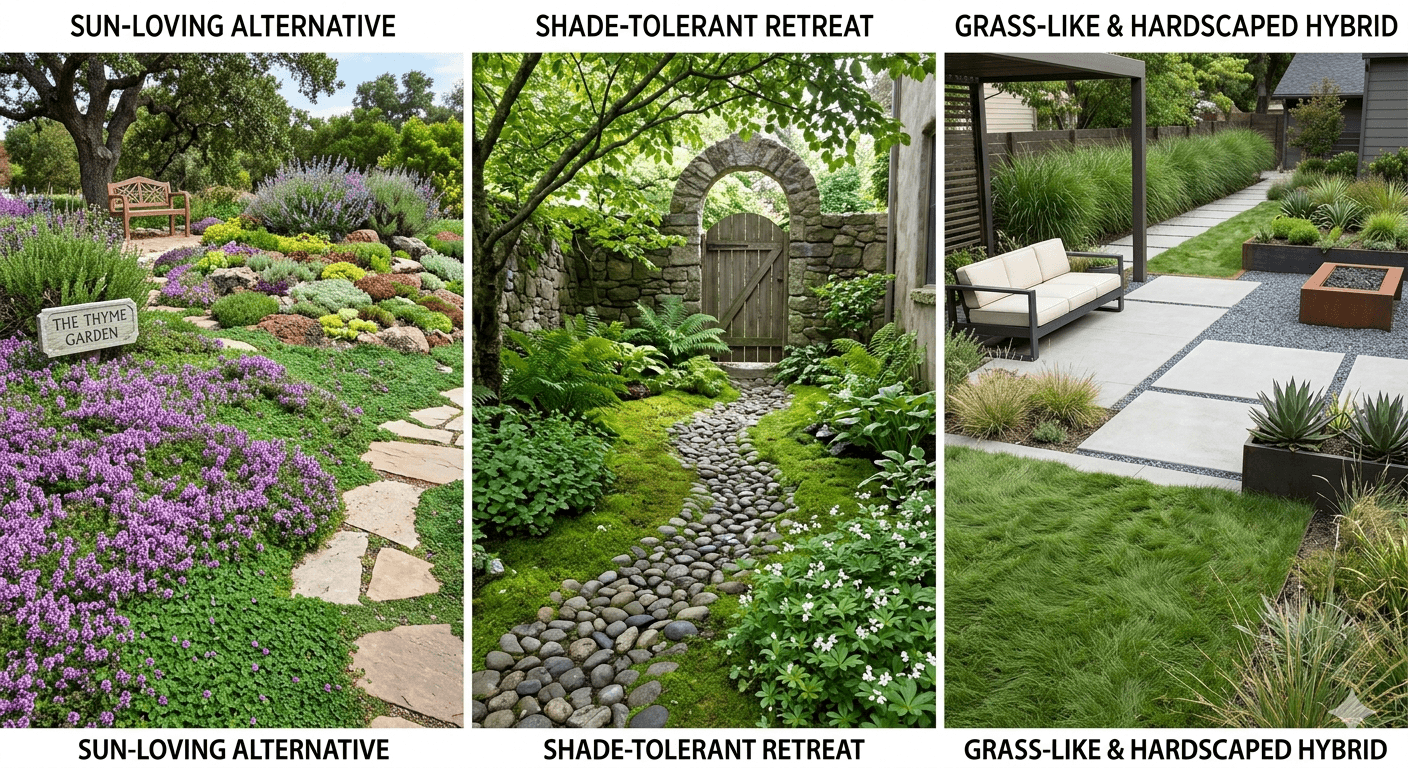
Grass alternatives include living ground covers that spread naturally and hardscape solutions that eliminate plant care completely. Each option works for different conditions, budgets, and styles. Match the alternative to your yard’s challenges and how you actually use the space.
Clover and microclover
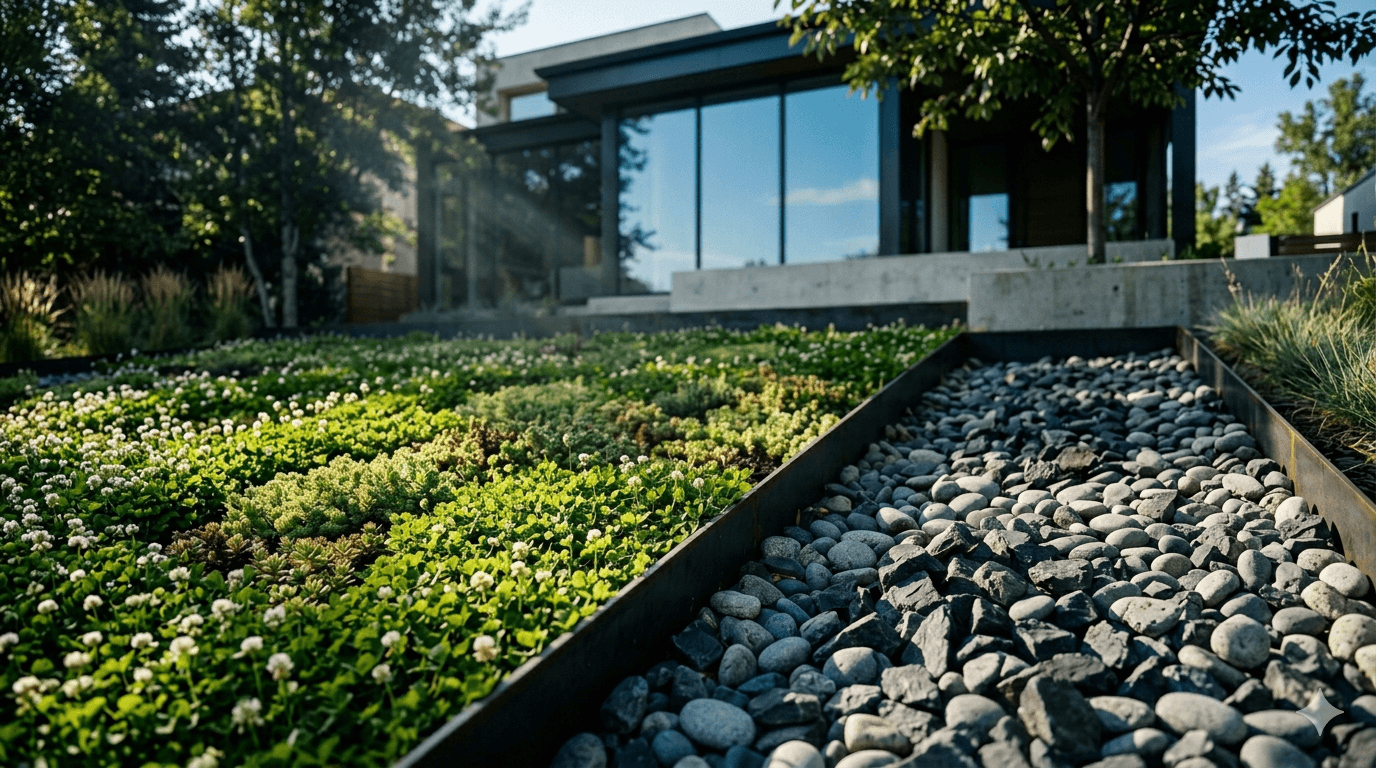
Clover lawns rely on nitrogen-fixing legumes that stay green with minimal water and zero fertilizer. These plants pull nitrogen from the air and feed it back into the soil, nourishing themselves and any surrounding plants.
Key benefits of clover alternatives:
- Microclover variety: Smaller-leafed variety bred specifically for lawns with compact growth that blends seamlessly with existing grass
- Maintenance schedule: Monthly mowing during peak growing season compared to weekly for traditional grass
- Pollinator support: White flowers attract bees and beneficial pollinators, though you can mow before blooms appear to minimize bee activity
Clover thrives in full sun to partial shade and holds up well to moderate foot traffic. It stays green through mild droughts when traditional grass turns brown. If you’ve got poor soil or spots where grass won’t grow no matter how many times you reseed, clover’s your answer.
Moss in shady spots
Moss thrives where grass fails — acidic soil, deep shade, compacted ground. If you’ve battled to grow grass under mature trees or in north-facing yards, moss works with these conditions instead of fighting them.
Once established, moss needs no fertilizer, barely any water, and zero mowing. It forms a soft, carpet-like surface that stays green year-round in most climates.
Important considerations for moss:
- Traffic limitations: Works best for low-traffic areas and visual appeal rather than play spaces
- Establishment timeline: Takes patience, typically 1-2 years to achieve dense coverage
- Long-term benefits: Results in an almost maintenance-free ground cover once established
Creeping thyme or other ground covers
Ground covers are low-growing perennials that spread horizontally and form dense mats. They fill spaces between stepping stones, cascade over walls, and cover areas where grass won’t grow.
Creeping thyme stands out: it’s drought-tolerant, releases fragrance when you walk on it, and produces small purple or pink flowers in summer. It handles light foot traffic well — perfect for pathways and transition areas. The plant needs full sun and well-draining soil but uses minimal water once it’s established.
Other ground cover options for different conditions:
- Ajuga: Thrives in shade with bronze or purple foliage
- Pachysandra: Creates evergreen coverage for woodland settings
- Vinca: Spreads quickly on slopes to prevent erosion
- Sedum: Offers succulent texture for hot, dry areas
No-mow fine fescues
Fine fescues are grass varieties bred to stay naturally short — you’ll mow only 2-3 times per season or not at all. They use far less water than Kentucky bluegrass and tolerate partial shade where most grasses fail.
These grasses thrive in northern climates and handle moderate foot traffic. The fine-textured blades look meadow-like when left unmowed. You get grass without the constant maintenance.
Fine fescue advantages:
- Climate adaptability: Blends often include several varieties to ensure coverage across different microclimates
- Coverage areas: Handles sunny spots, shaded areas, and slopes with varying moisture levels
- Aesthetic appeal: Maintains grass-like appearance with significantly reduced maintenance
Permeable hardscapes (gravel or mulch)
Hardscapes eliminate all plant maintenance and let rainwater soak into the soil instead of running into storm drains. That makes them valuable for stormwater management and solves persistent landscape challenges.
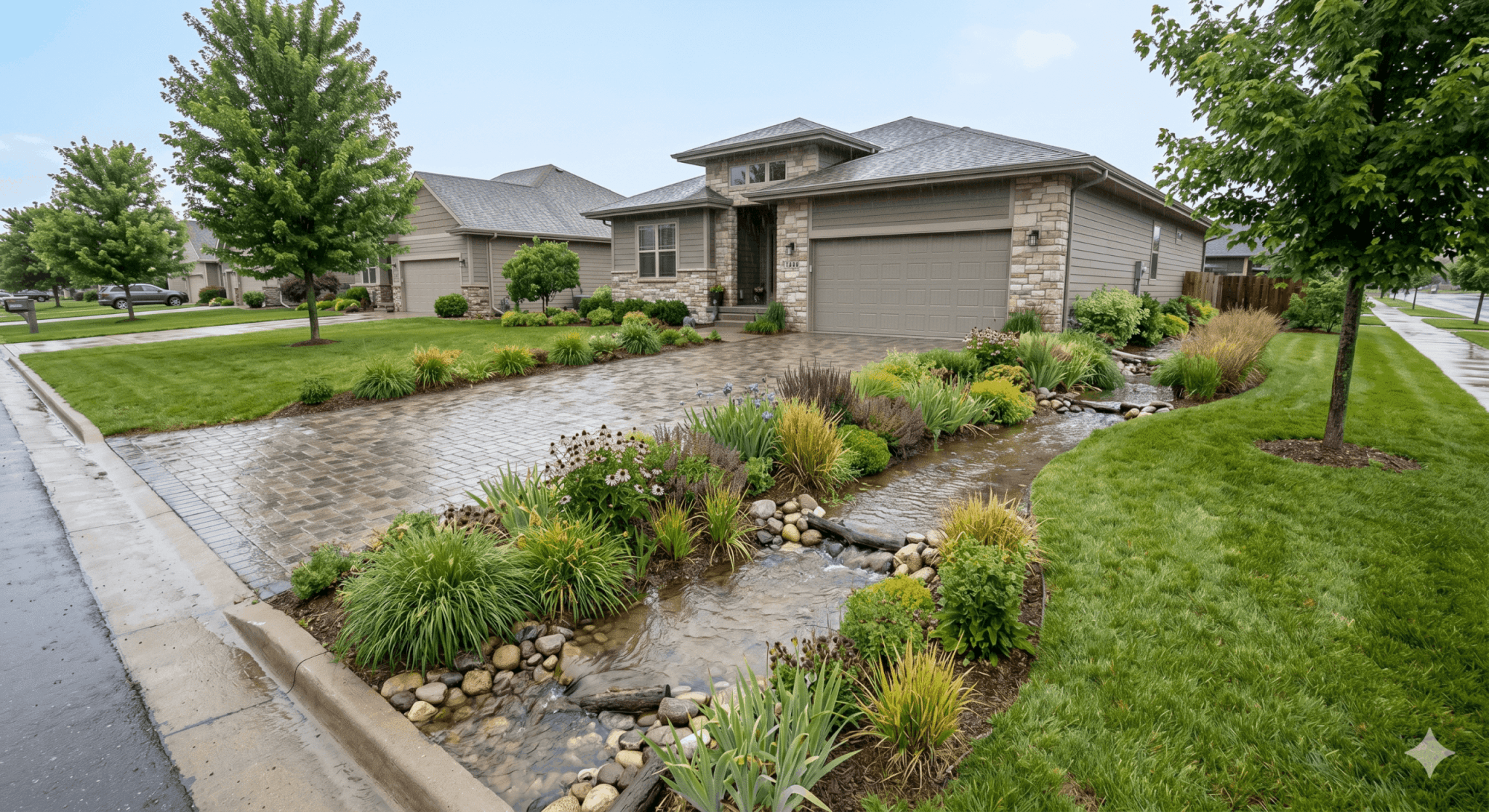
Rain gardens offer another high-impact alternative – shallow planted basins that manage stormwater while adding seasonal color and habitat.
Permeable hardscape options:
- Gravel or decomposed granite: Creates clean pathways and patios
- Wood mulch: Provides organic texture and gradually enriches soil
- Permeable pavers: Offers structured appearance with water infiltration
These solutions handle high-traffic areas, side yards where nothing grows, and spots where plants keep failing. You can add planted areas within hardscaped zones to break things up visually. A gravel courtyard with native plant islands, for example, stays low-maintenance while supporting local ecology. Rainplan connects property owners with contractors who specialize in permeable installations and helps identify local incentives for these stormwater-friendly surfaces.
Meadow lawns or native grass blends
Meadow lawns include native grasses and wildflowers you’ll mow only 1-2 times per year. They support local wildlife — birds, butterflies, beneficial insects — and adapt naturally to your regional climate.
Native plants need less water and no fertilizer once established — they evolved with your local rainfall and soil. Meadow lawns work best in larger areas that don’t get much foot traffic.
Seasonal benefits of meadow lawns:
- Spring: Wildflower displays
- Summer: Seed head development
- Fall: Colorful foliage changes
- Winter: Structural interest and wildlife habitat
Many municipalities now encourage these installations with pollinator habitat initiatives and stormwater management programs. What seemed unconventional a decade ago is now mainstream — communities recognize the ecological and economic benefits.
Drought-tolerant sedges or ornamental grasses
Sedges and ornamental grasses add texture and movement without needing much water. They create naturalistic landscapes that pair well with modern architecture and native plantings.
Popular options for different conditions:
- Buffalo grass: Thrives in sunny, dry climates with deep roots
- Pennsylvania sedge: Handles shade and creates lawn-like coverage
- Blue fescue: Forms tidy clumps with striking blue-gray color
- Fountain grass: Adds height and movement to borders
These plants need seasonal cutting instead of regular mowing. You’ll trim them back once in late winter or early spring before new growth starts. They work particularly well in rain gardens and bioswales — their deep roots manage stormwater and tolerate both wet and dry periods.
How to replace your existing lawn
Ready to transform your yard? Here are four steps that’ll set you up for success. Each phase builds on the last — from removing existing turf to establishing your new landscape.
Step 1: Remove or smother the existing turf
You’ve got three main options for eliminating existing grass. Each has different timelines and effects on soil health.
Sheet mulching method:
- Process: Cover lawn with cardboard, then add 4-6 inches of wood chips or mulch on top
- Timeline: Takes 3-6 months but improves soil health as everything breaks down
- Benefits: Cardboard blocks light and holds moisture — perfect conditions for beneficial soil organisms
- Cost advantage: Works year-round in most climates and costs less than renting equipment
Solarization technique:
- Process: Uses clear plastic sheeting to trap heat and kill grass during hot summer months
- Timeline: Works in 4-8 weeks in warm climates but requires consistent high temperatures
- Requirements: Secure plastic edges completely and leave undisturbed for the entire period
Mechanical removal:
- Process: A sod cutter gives immediate results but strips away valuable topsoil along with the grass
- Best use: It makes sense when you need quick results or you’re installing hardscaping that requires excavation anyway
Step 2: Prep the soil and amend as needed
Before planting, test your soil for pH and drainage. Many local extension services offer affordable soil testing that’ll show you exactly what amendments you need. Your chosen alternative determines how much prep you’ll need.
Soil requirements by alternative type:
- Moss: Prefers acidic soil with pH below 6.0
- Most ground covers: Need well-draining conditions
- Native plants: Often thrive in existing soil without amendments
- Meadow grasses: Prefer lean soil without added fertility
Adding 2-3 inches of compost improves soil structure for almost any planting. Work it into the top 6 inches of soil instead of leaving it on the surface. Skip soil prep for hardscape installations, but make sure your grading directs water away from foundations and toward planted areas or drainage systems.
Step 3: Install your chosen ground cover or hardscape
For living alternatives, plant in spring or fall when temps are moderate and rain’s more reliable. These seasons let plants establish roots before summer heat or winter cold hits.
Space plants based on how wide they’ll get at maturity. Closer spacing fills in faster but you’ll pay more upfront. Creeping thyme planted 8 inches apart fills in completely within one season. Space it 12 inches apart and it’ll take two seasons but you’ll use fewer plants.
Hardscape installation requirements:
- Excavating: 4-6 inches for pathways, 8-10 inches for driveways
- Base layer: 2-4 inches of crushed gravel, compacted
- Setting bed: 1 inch of sand or fine gravel
- Surface material: 2-3 inches of decorative gravel or mulch
- Edging: Metal, stone, or plastic to contain materials
Rainplan’s platform connects you with vetted contractors who understand both the technical requirements and the stormwater benefits of permeable installations.
Step 4: Plan for light maintenance and irrigation
New plantings need regular watering for 4-8 weeks while roots get established. Water deeply but infrequently — it encourages deep root growth and better drought tolerance. Most alternatives need far less ongoing care than traditional lawns once they’re established.
Create a simple maintenance calendar for seasonal tasks. Even low-maintenance alternatives need some attention during the first few years:
Seasonal maintenance schedule:
- Spring: Remove winter debris, trim back ornamental grasses
- Summer: Spot-water during extreme heat, remove invasive weeds
- Fall: Plant new areas, divide overgrown perennials
- Winter: Add mulch where needed, plan next year’s improvements
Water and maintenance savings at a glance
This comparison shows which alternatives match your priorities: water conservation, less maintenance, and how you use your yard. We compare water needs to a traditional lawn baseline so you can see real savings.
| Alternative type | Water needs | Mowing frequency | Foot traffic tolerance |
| Traditional lawn | Baseline | Weekly | High |
| Clover/microclover | 50% less | Monthly | Moderate |
| Moss | Minimal | None | Low |
| Creeping thyme | 60% less | Seasonal | Light |
| Fine fescues | 40% less | 2-3x yearly | Moderate |
| Gravel/mulch | None | None | High |
| Meadow lawn | 70% less | 1-2x yearly | Low |
| Sedges | 50% less | Annual | Low |
Choosing the right option for your climate
Your region’s climate determines which alternatives will thrive without much help from you. Match plants to local conditions and you’ll see better results with less water and maintenance.
Regional recommendations based on typical conditions:
Northern and cool climates: Fine fescues, clover, and microclover thrive in these regions with adequate rainfall and moderate summers. Moss thrives in shaded areas with consistent moisture. These climates support the most alternatives thanks to regular precipitation and mild temps.
Hot and dry regions: Native grasses like buffalo grass, drought-tolerant sedges, and hardscapes work best where water’s scarce. Avoid moisture-loving options that will struggle without constant irrigation. Focus on deep-rooted plants adapted to extreme temperature swings and extended dry periods.
Humid and warm areas: Ground covers like ajuga handle heat and humidity while native alternatives evolved for these conditions. Avoid options prone to fungal issues in consistently wet conditions. Choose plants with good air circulation and natural disease resistance.
Variable conditions: Areas with dramatic seasonal changes need resilient alternatives. Consult your local extension service or native plant society for region-specific recommendations tested in your exact conditions.
How can you determine what works best for your specific property? Rainplan’s platform analyzes your location and property characteristics to identify suitable alternatives and available incentives. Many municipalities offer rebates for lawn replacement, native plantings, and permeable surfaces as part of water conservation and stormwater management programs.
Creating your sustainable landscape transformation
Choosing a grass alternative comes down to three factors: your climate, how you use your outdoor space, and the aesthetic you want to achieve. Start small with a test area before committing to a full yard conversion. A 100-square-foot section lets you evaluate maintenance requirements and visual appeal before scaling up.
Consider combining multiple alternatives across your property to address different functional needs. This approach creates visual interest while solving specific challenges:
Strategic zoning for maximum impact:
- High-traffic paths: Permeable hardscapes or decomposed granite
- Shady areas: Moss or shade-tolerant ground covers
- Sunny slopes: Deep-rooted sedges or native grasses
- Play areas: Clover or fine fescues
- Rain gardens: Native plants and ornamental grasses
Each zone serves a purpose while contributing to overall property function and stormwater management. This strategic approach maximizes both aesthetic appeal and environmental benefits.
Property owners exploring sustainable landscaping may qualify for local rebates and incentives that offset installation costs. These programs recognize the community-wide benefits of reduced water use, improved stormwater management, and enhanced biodiversity. Rainplan helps you discover available programs, calculate potential savings, and connect with qualified contractors who understand green infrastructure installation.
Transform your yard from a maintenance burden into a sustainable landscape that saves money, supports local ecology, and increases property value. See if you qualify to discover programs available in your area.
Click here for some brilliant drought-tolerant landscaping ideas.
Grass Alternative Installation Cost Comparison
Installation cost is the most common deciding factor. Here is what homeowners actually pay per 1,000 square feet for each major grass alternative in 2026:
| Alternative | Cost per 1,000 sq ft (DIY) | Cost per 1,000 sq ft (Professional) | Establishment Time | Ongoing Annual Cost |
|---|---|---|---|---|
| Clover/microclover seed | $30–$80 | $150–$400 | 3–6 weeks | ~$10–$30 (minimal) |
| Fine fescue seed blend | $40–$100 | $150–$500 | 4–8 weeks | ~$20–$50 |
| Creeping thyme (plugs) | $100–$250 | $400–$900 | 1–2 seasons | ~$0–$20 |
| Moss transplant | $50–$200 | $300–$800 | 1–3 years | ~$0 |
| Native meadow mix (seed) | $50–$150 | $200–$600 | 1–2 seasons | ~$30–$80 (annual mow) |
| Decorative gravel/DG | $200–$500 | $500–$1,500 | Immediate | ~$50–$100 (replenish) |
| Wood mulch (deep) | $100–$300 | $300–$800 | Immediate | ~$100–$200 (replenish) |
| Permeable pavers | $800–$2,000 | $2,000–$6,000 | Immediate | ~$0–$50 |
| Native ground cover plugs | $150–$400 | $500–$1,200 | 1–2 seasons | ~$10–$30 |
Costs include materials. Professional installation adds labor, bed prep, and weed barrier where applicable. Many municipalities offer rebates for lawn replacement with native plants or permeable surfaces — check Rainplan for programs at your address.
Frequently Asked Questions: Grass Alternatives
What are the best alternatives to grass in the front yard?
The best grass alternatives for front yards depend on your HOA rules, foot traffic, and climate. For most front yards: microclover blended with existing grass is the lowest-effort change — it looks similar to grass, handles moderate foot traffic, and cuts water use 50%. Fine fescues offer a near-grass look with 40% less water. For a more dramatic change, a mix of native ground covers (creeping thyme, ajuga, or sedum) with mulched beds creates a distinct look that qualifies for many municipal rebate programs. Avoid meadow mixes in front yards unless your HOA explicitly permits unmowed plantings.
What is the cheapest grass alternative?
The cheapest grass alternatives are clover and fine fescue seed blends, which cost $30–$100 per 1,000 square feet for DIY seeding. Sheet mulching with cardboard and wood chips runs under $150 per 1,000 sq ft and requires zero ongoing water. Clover is particularly cost-effective: seed is inexpensive, it self-fertilizes, and it needs monthly mowing rather than weekly. Many cities offer free or subsidized native seed packets for lawn replacement programs — check with your local water utility or extension service before purchasing.
What grass alternative looks most like real grass?
Fine fescues and microclover most closely resemble traditional grass from a distance. Fine fescue blends (such as “No-Mow” mixes sold by Prairie Nursery and others) have fine-bladed texture similar to bluegrass but require only 2–3 mowings per year. Microclover mixed into existing lawn at 5–10% creates a denser, darker green lawn with fewer weeds — many homeowners can’t tell the difference until flowers appear in summer. Both options satisfy most HOA aesthetic requirements while cutting water use 40–50%.
What are low-maintenance plants for the front yard?
The lowest-maintenance front yard plants by region: In the Northeast and Midwest, Pennsylvania sedge, creeping phlox, and fine fescues require minimal water and one annual trim. In the Southeast, liriope, society garlic, and native sedges handle heat and humidity. In the Southwest, buffalo grass, blue grama, and sedum varieties need almost no water after establishment. Pacific Northwest properties do well with Oregon grape, kinnikinnick, and low-growing native sedges. All of these alternatives eliminate weekly mowing and reduce fertilizer needs to zero or near-zero after the first year.
Do grass alternatives work in drought conditions?
Yes — most grass alternatives dramatically outperform traditional turfgrass in drought conditions. Buffalo grass and native sedges survive without supplemental irrigation in drought-prone regions. Fine fescues go dormant during drought (turning straw-colored) but green up quickly when rain returns — unlike Kentucky bluegrass, which requires consistent irrigation. Creeping thyme, sedum, and native bunch grasses are bred for dry conditions and maintain color through extended dry periods. Hardscapes (gravel, permeable pavers) eliminate water needs entirely. During water restrictions, alternatives ensure you maintain a functional yard without risking fines.
What grass alternatives are safe for dogs and kids?
For yards with dogs and children, choose options with moderate-to-high foot traffic tolerance: microclover, fine fescues, and creeping thyme all handle regular use better than moss or meadow mixes. Creeping thyme releases pleasant fragrance when walked on and tolerates light-to-moderate foot traffic. Fine fescue blends rated for play areas (often sold as “athletic” no-mow blends) handle heavier use. Avoid ground covers with spines or thorns (some sedums), plants that attract large bee populations in high-traffic areas (full clover lawns bloom heavily), and loose gravel in areas where children play barefoot.
Frequently asked questions
What is the most cost-effective grass alternative for large yards?
Sheet mulching with cardboard and wood chips is typically the most affordable option for large areas, costing under $1 per square foot when you do it yourself, and the materials gradually decompose to enrich your soil while suppressing weeds.
Which grass alternatives can handle regular foot traffic from kids and pets?
Clover, microclover, and fine fescues tolerate moderate foot traffic well, while permeable hardscapes like decomposed granite paths handle heavy use, though you might combine both approaches to create defined play areas with softer planted zones nearby.
How do grass alternatives affect property values?
Well-designed grass alternatives can increase property values by reducing maintenance costs, lowering water bills, and creating unique curb appeal that stands out in the real estate market, especially in drought-prone regions where water-wise landscaping is increasingly valued.
Do grass alternatives work in areas with HOA restrictions?
Many HOAs now accept grass alternatives like fine fescues, microclover mixed with traditional grass, or well-maintained ground covers, though you should review your specific guidelines and potentially propose a pilot area to demonstrate the aesthetic and environmental benefits.
What grass alternatives require the least water once established?
Native bunch grasses, established sedges, and succulent ground covers like sedum need virtually no supplemental water after the first year, while hardscapes eliminate water needs entirely, making them ideal for xeriscaping projects.
How long does it take for ground cover alternatives to fill in completely?
Most ground covers achieve full coverage within 1-2 growing seasons when planted at recommended spacing, though fast-spreaders like creeping thyme can fill in within one season if planted more densely, while moss may take 2-3 years for complete coverage.