


Rain Gardens: A Natural Solution for Runoff
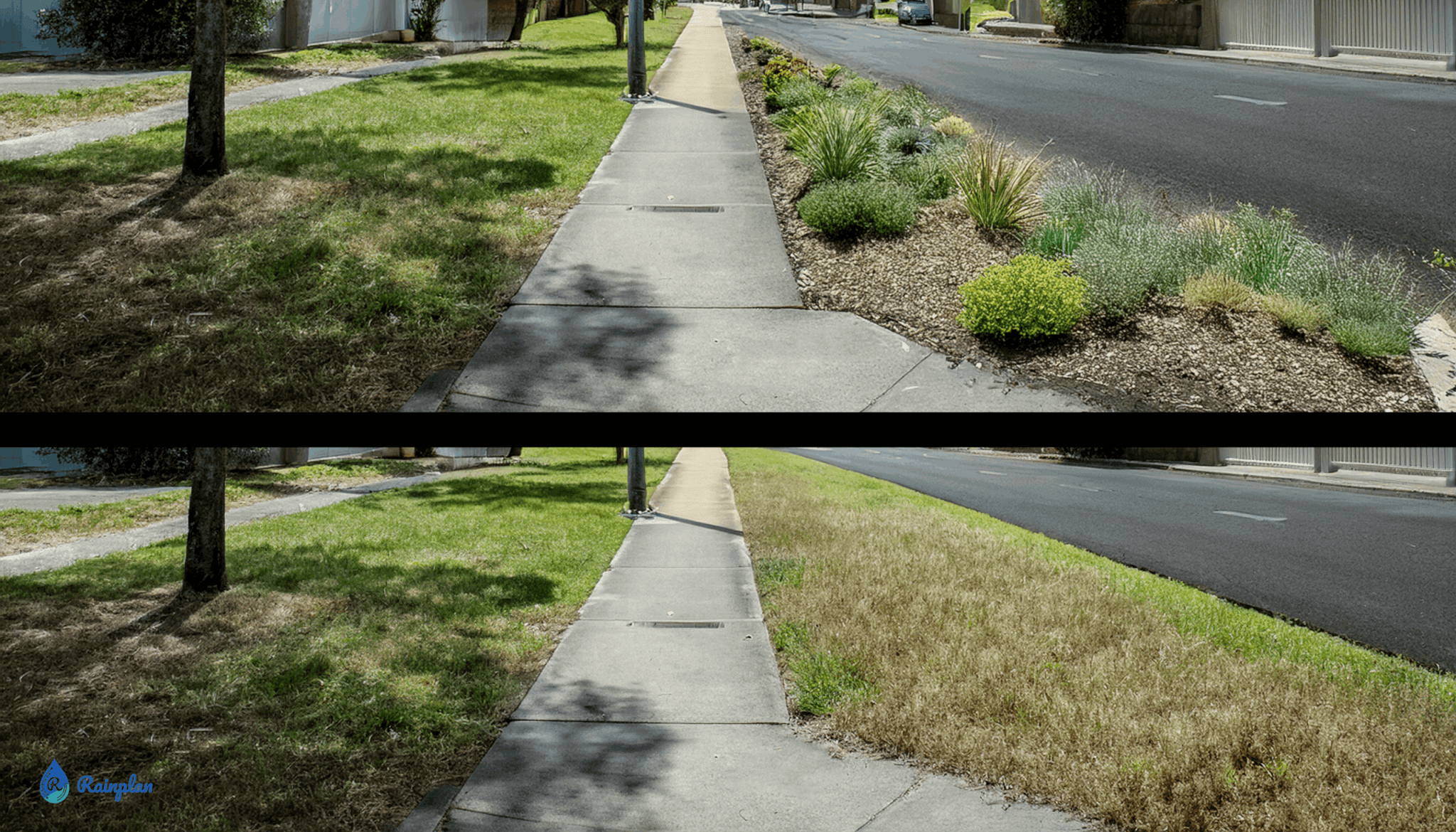
Rain gardens are shallow, planted basins that catch roof or driveway runoff and let it soak into the ground. They reduce runoff, filter pollutants and provide habitat for butterflies and songbirds. But designing one is a bit like hosting a dinner party – get the seating wrong, and everyone’s cranky. Here’s how to avoid soggy guests.
Choosing the Right Location and Size
Start with location. Purdue University Extension recommends placing rain gardens at least 10 feet from foundations, 20 feet from basements and 25 feet from septic systems. A gentle slope helps direct runoff; a steep slope leads to erosion. Avoid low spots that already stay wet. And call before you dig (unless you want to invite the electric company to your party).
Testing Your Soil and Plant Selection
Next, test your soil. Rain gardens should drain within 24-48 hours to prevent mosquito breeding. Do an infiltration test: dig a hole, fill it with water, and measure how fast it drains. Ideally, the rate is 0.5-2 inches per hour. In heavy clay soils, amend with sand and compost or install an underdrain. Plant moisture-loving species at the bottom and drought-tolerant plants on the sides; native plants with deep roots improve infiltration and attract pollinators. Design an overflow (usually a small swale or pipe) that directs excess water away from buildings.
Setting Expectations and Maintenance
Finally, adjust your expectations. A rain garden is not a pond or a bog. If water remains more than 48 hours, tweak the soil mix or pick another practice. And like any good host, weed and mulch regularly and water the plants during establishment. Once established, a rain garden is a low-maintenance, high-impact feature that makes you look both environmentally savvy and, frankly, a little poetic. After all, you literally watch the rain
After all, you literally watch the rain disappear into flowers, and if that doesn’t inspire a witty essay about adulthood, what will?
Reducing Stormwater Fees and Protecting Your Home
Pair your rain garden with other green infrastructure like permeable pavers, swales or dry wells to create a comprehensive home drainage system. By capturing and infiltrating runoff, these practices protect your foundation from water damage and can even help lower stormwater fees imposed by your municipality. A rain garden isn’t just a pretty patch of plants—it’s an investment in your property’s resilience and your community’s waterways.
Get Help with Rainplan’s Green Spending Advance
If you’re ready to transform your yard but aren’t sure where to begin, Rainplan’s Green Spending Advance services can guide you. We’ll match you with a trusted contractor, front the initial payments so your project starts quickly, and help you file for any available rebates or incentives. From designing the perfect rain garden to integrating permeable pavers and other drainage upgrades, Rainplan ensures your investment delivers maximum impact with minimal hassle.