


Government home improvement grants target homeowners earning below 80% area median income, with programs like USDA Section 504 offering up to $10,000 for health and safety repairs.
You’ve been putting off that leaky roof for months, and now winter’s coming. The furnace is making strange noises, and your energy bills keep climbing. Home repairs feel overwhelming, especially when you’re already stretching your budget. But here’s something many homeowners don’t realize: thousands of dollars in government grants could be sitting there, waiting to help fund exactly the improvements your home needs.
Government home improvement grants don’t just cover extreme cases or disaster recovery. These programs focus on specific homeowners — targeting income levels, age, location, and what needs fixing. Whether you’re a senior on a fixed income, a veteran with service-connected disabilities, or a moderate-income family in a rural area, there’s likely a program designed to help. You need to know who qualifies, what’s covered, and how to navigate the application process without drowning in paperwork.
This guide breaks down eligibility requirements for federal, state, and local programs. You’ll learn which ones match your situation and how to apply successfully. We’ll cover income thresholds, property requirements, and improvement types that qualify, plus share real examples of how homeowners have successfully secured funding for everything from energy efficiency upgrades to accessibility modifications.
Key takeaways
- Start with local programs first: City and county programs often have more flexible income requirements and faster approval times than federal grants, making them your best first step.
- Income limits vary dramatically by location: The same household income might qualify in rural Kansas but not in Los Angeles — check your specific area’s median income thresholds before applying.
- Layer multiple funding sources for maximum impact: Combine federal grants, local programs, utility rebates, and green infrastructure incentives to fund comprehensive home improvements that single programs can’t cover.
- Rainplan identifies all available programs in your area: The platform matches your property with federal, state, and local grants plus green infrastructure incentives you might not know exist, maximizing your total savings.
- Apply before starting any work: Most programs require approval before you begin improvements — starting early can disqualify you from thousands in potential funding.
Understanding government home improvement grant eligibility
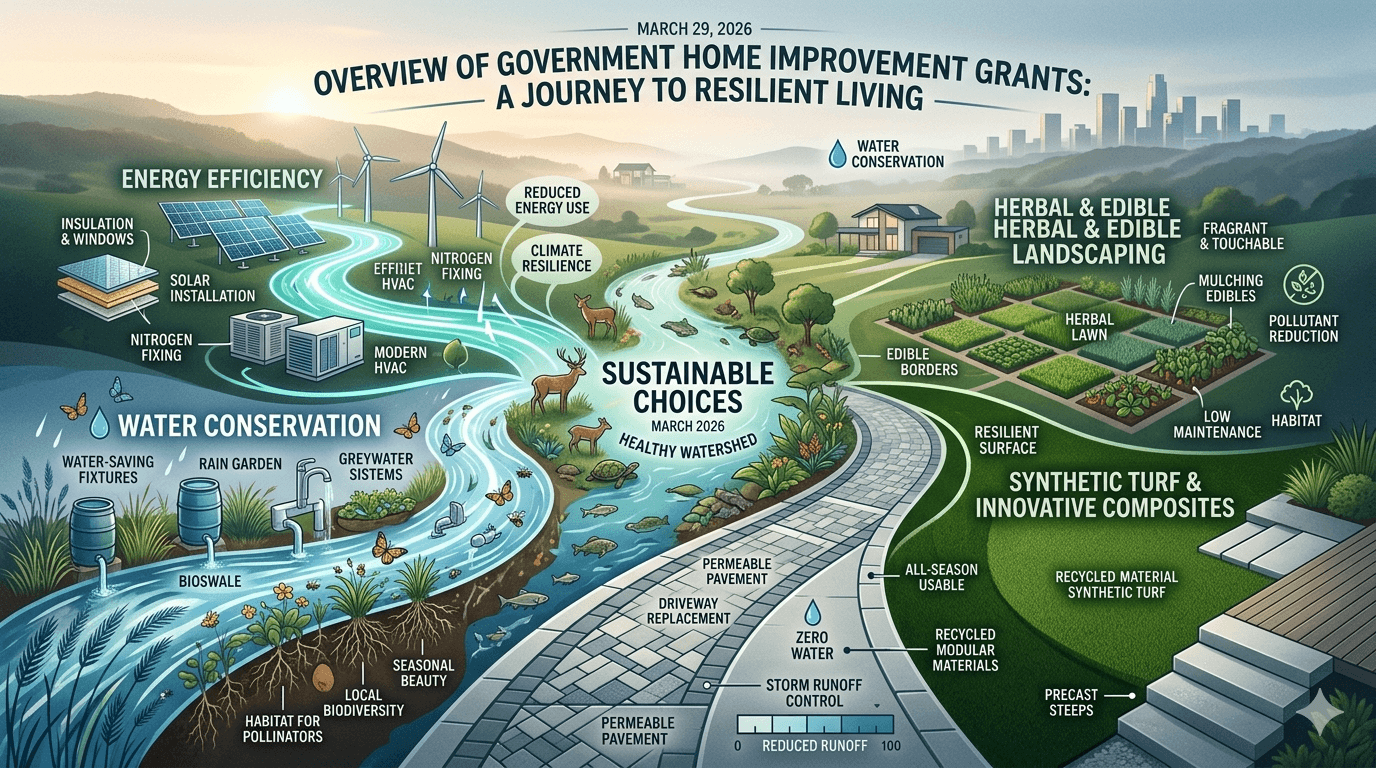
Government home improvement grants give eligible homeowners money for specific repairs or upgrades — no repayment required. These programs help seniors, veterans, rural residents, and low-income households pay for safety repairs, accessibility modifications, and energy efficiency upgrades.
Your eligibility depends on your income, location, what needs fixing, and your personal situation. A senior living in a rural area has different options than a veteran in a major city. Each program has unique requirements, but most share common eligibility factors that determine who qualifies.
You need to find programs that match your specific situation. Rainplan helps property owners navigate this complex landscape by identifying location-specific programs and incentives, including those for sustainable home improvements that many homeowners overlook.
Core eligibility requirements across programs
[cs_preview_ENL id=”6574″]
Knowing what most programs look for saves you time and helps you focus on grants you’re likely to get. Each program has unique requirements, but most share common eligibility factors.
| Eligibility factor | Typical requirement | What this means for you |
| Income limits | At or below 80% AMI | Varies by household size and location |
| Homeownership | Must own the property | Need deed or mortgage documentation |
| Property type | Primary residence only | Rental properties and vacation homes excluded |
| Housing structure | Single-family homes | Some programs include condos or manufactured homes |
| Improvement type | Health, safety, energy | Cosmetic upgrades don’t qualify |
| Location | Varies by program | Rural areas, disaster zones, or specific counties |
Income requirements and calculations
Income limits use Area Median Income (AMI), which changes based on where you live and household size. Most programs use 80% AMI as the cutoff for “low-income” and 50% AMI for “very low-income” households.
For a family of four in 2024, 80% AMI might be $85,000 in Los Angeles but only $65,000 in rural Kansas. Larger families can earn more and still qualify compared to smaller households in the same area.
Different programs use different income calculations:
- USDA Section 504: Stricter “very low-income” requirements at 50% AMI
- Weatherization assistance programs: May use 200% of Federal Poverty Guidelines instead
- Local programs: Often have their own income thresholds
Property ownership and occupancy rules
Nearly all programs require you to own and live in the property as your main home. Rental properties, vacation homes, and investment properties won’t qualify.
Many programs also require:
- One-year ownership minimum: You must have owned the home for at least 12 months before applying
- Continued residency commitment: You agree to stay in the home for 3 to 5 years after receiving assistance
- Repayment provisions: If you sell or move before the commitment period ends, you may need to repay a portion of the grant
Geographic restrictions and opportunities
Your property’s location determines which programs you can access. Geography plays a major role — you’ll qualify for some programs but not others based on location.
Location affects your options in several ways:
- USDA programs: Only available in eligible rural areas with populations under 35,000
- Disaster assistance: Limited to areas with presidential disaster declarations
- Local programs: Restricted to specific cities, counties, or neighborhoods
- Priority zones: Some programs prioritize certain zip codes with higher needs
Always check both federal and local program availability. Rainplan’s platform helps property owners discover hyper-local incentives and programs, including stormwater management grants that complement traditional home improvement assistance.
Programs for seniors and low-income homeowners
Seniors often have the most grant options available, especially if you’re 62 or older with a fixed income. These programs help you stay safely in your home while managing necessary repairs and modifications. Knowing which programs serve seniors can help you access thousands in funding.
Major programs serving this population include several federal and local options:
- USDA Section 504 grant: Provides up to $10,000 for rural seniors with very low incomes to address health and safety repairs
- Local senior grant programs: Typically offer $2,000 to $5,000 for accessibility modifications like grab bars and ramp installations
- Weatherization Assistance Program: Provides no-cost energy efficiency improvements for households at 200% of poverty level
For example, Los Angeles County’s Senior Grant Program provides up to $3,000 for seniors over 62 with incomes under 80% AMI. These programs often work together, allowing you to layer multiple funding sources for comprehensive home improvements.
Rural homeowner opportunities through USDA
USDA programs offer some of the most substantial grants available for homeowners in rural communities. “Rural” generally means communities under 35,000 people, though definitions vary by specific program. These programs help rural homeowners who struggle to find affordable home improvement financing.
Section 504 grants and loans
Seniors 62+ can get grants, while homeowners of any age can access low-interest loans. You can combine both options to fund major home repairs if you qualify.
To qualify, you need:
- Location verification: Your home must be in an eligible rural area
- Income documentation: Very low income, typically under 50% AMI
- Credit history: Unable to obtain affordable credit elsewhere
- Primary residence: You must own and occupy the home
Grants are limited to $10,000 lifetime maximum and must address health and safety hazards. Loans can go up to $40,000 with 1% interest rates and 20-year terms. Applications are processed through local USDA Rural Development offices, and Rainplan can help identify if your property qualifies based on your address.
Disaster recovery assistance
USDA offers enhanced grants up to $15,000 in presidentially declared disaster areas. FEMA’s Individuals and Households Program also provides home repair assistance to make homes safe, sanitary, and functional after disasters.
Disaster assistance doesn’t require income testing but does require that losses aren’t covered by insurance. These programs have limited application windows, so affected homeowners should apply quickly after a disaster declaration.
Veterans housing adaptation grants
VA housing grants provide substantial funding for eligible veterans with service-connected disabilities. These programs help veterans modify their homes for accessibility and independent living. These grants offer some of the highest funding amounts for home modifications — up to $126,526.
Different grant programs serve different disability levels:
- Specially Adapted Housing (SAH) grants: Up to $126,526 for veterans with severe disabilities
- Special Home Adaptation (SHA) grants: Up to $25,350 for less severe disabilities
- Temporary Residence Adaptation (TRA) grants: For modifying family members’ homes
Veterans must have a service-connected disability rating and use the home as their primary residence. The SAH grant covers major adaptations like wheelchair ramps, accessible bathrooms, and widened doorways. Applications are processed through VA regional offices.
State and local program availability
Many programs run at state and local levels using federal block grant funding. HUD provides Community Development Block Grant (CDBG) and HOME Investment Partnership funds to local governments, which create owner-occupied rehabilitation programs. Local programs often approve applications faster and have more flexible income requirements than federal options.
State and local programs often have different requirements than federal programs:
- California’s CalHOME program: Serves first-time homebuyers and existing homeowners needing rehabilitation assistance
- Chicago’s Residential Rehab Program: Offers up to $35,000 for owner-occupied improvements
- Philadelphia’s Basic Systems Repair Program: Provides up to $20,000 for essential repairs
- Texas Bootstrap Loan Program: Helps rural, low-income homeowners who contribute their own labor
Contact your city or county housing department to learn about local programs. Rainplan helps property owners discover these local incentives, including stormwater management programs that can be combined with traditional home improvement grants for maximum savings.
Application process and documentation
Each program has unique requirements, but most follow similar application processes. Get your documents ready early — it prevents delays and makes your application stronger. Knowing what documents you need and organizing them properly can determine whether you get approved.
Step 1: Gather essential financial records
Programs verify your income, assets, and that you own the home. Having these documents organized can cut weeks off your approval time.
You’ll typically need:
- Tax returns: Last 2 years to verify income eligibility
- Income verification: Pay stubs or Social Security statements
- Bank statements: Show assets and financial stability
- Property deed: Prove homeownership
- Insurance policy: Required for most programs
- Utility bills: Verify occupancy and identify energy needs
Step 2: Prove homeownership and residency
Applicants need property deeds, mortgage statements, or tax assessments showing their name. Utility bills, voter registration, or a driver’s license with the property address help prove occupancy.
Title issues — like inherited property without a recorded deed transfer — can complicate applications. If you’ve inherited a home, consult with program administrators about solutions before applying. Some programs have special provisions for heir property or can help resolve title issues.
Step 3: Submit your application
Most federal programs require applying through local administering agencies rather than directly to federal departments. Your city or county housing office typically processes these applications.
Applications often involve home inspections to assess needed repairs and verify eligibility. Processing times range from 30 to 90 days for most programs. Apply to multiple programs if eligible, as funding is often limited and competitive.
Combining multiple funding sources
Most programs let you combine funding sources if you disclose all assistance received. Combining multiple sources can fund major home improvements that one grant can’t cover. Combining the right funding sources can transform your home and save you thousands.
For example, you might combine:
- $10,000 USDA grant: For health and safety repairs
- Local weatherization assistance: For insulation improvements
- Utility rebates: For energy-efficient appliances
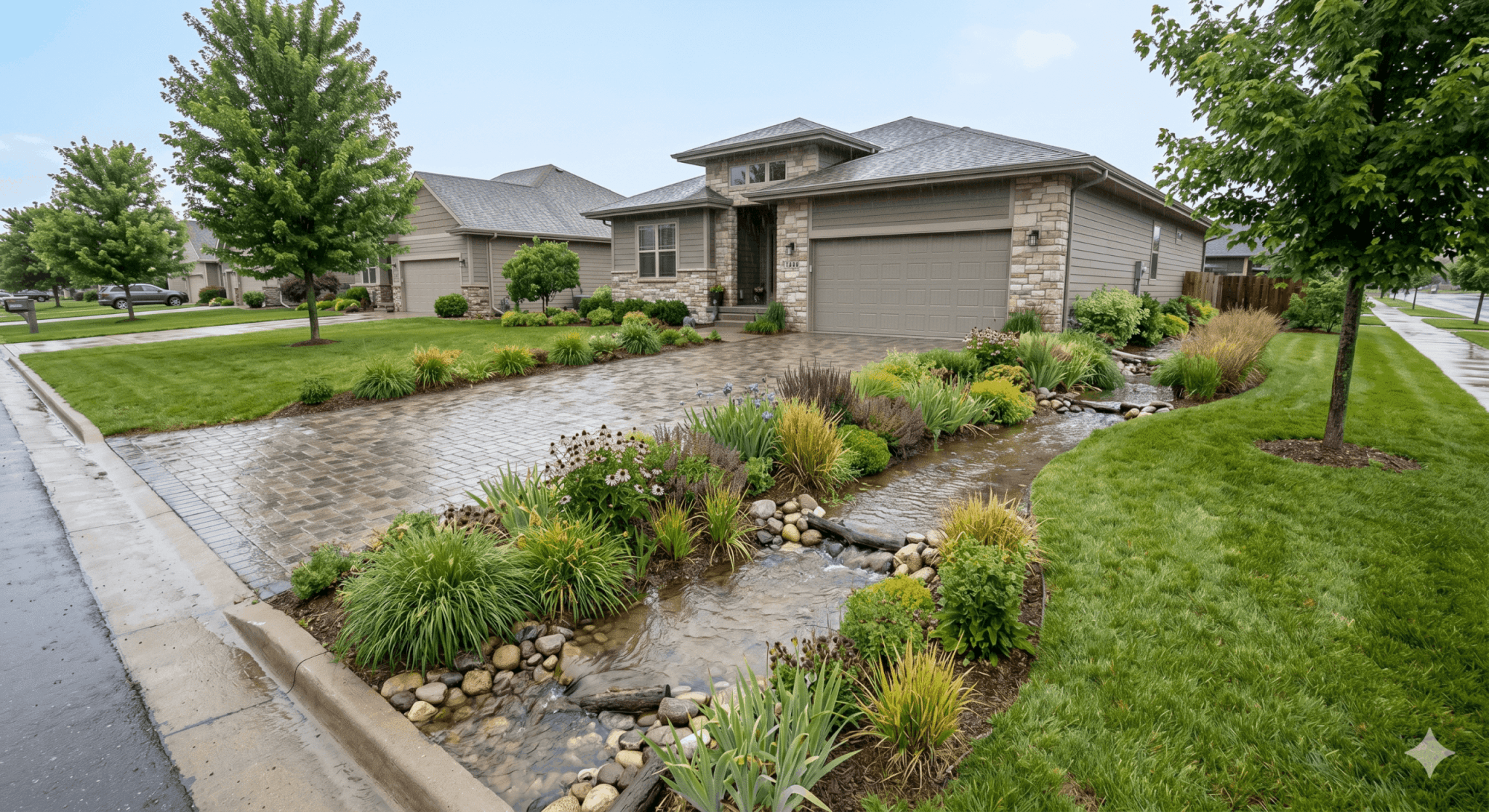
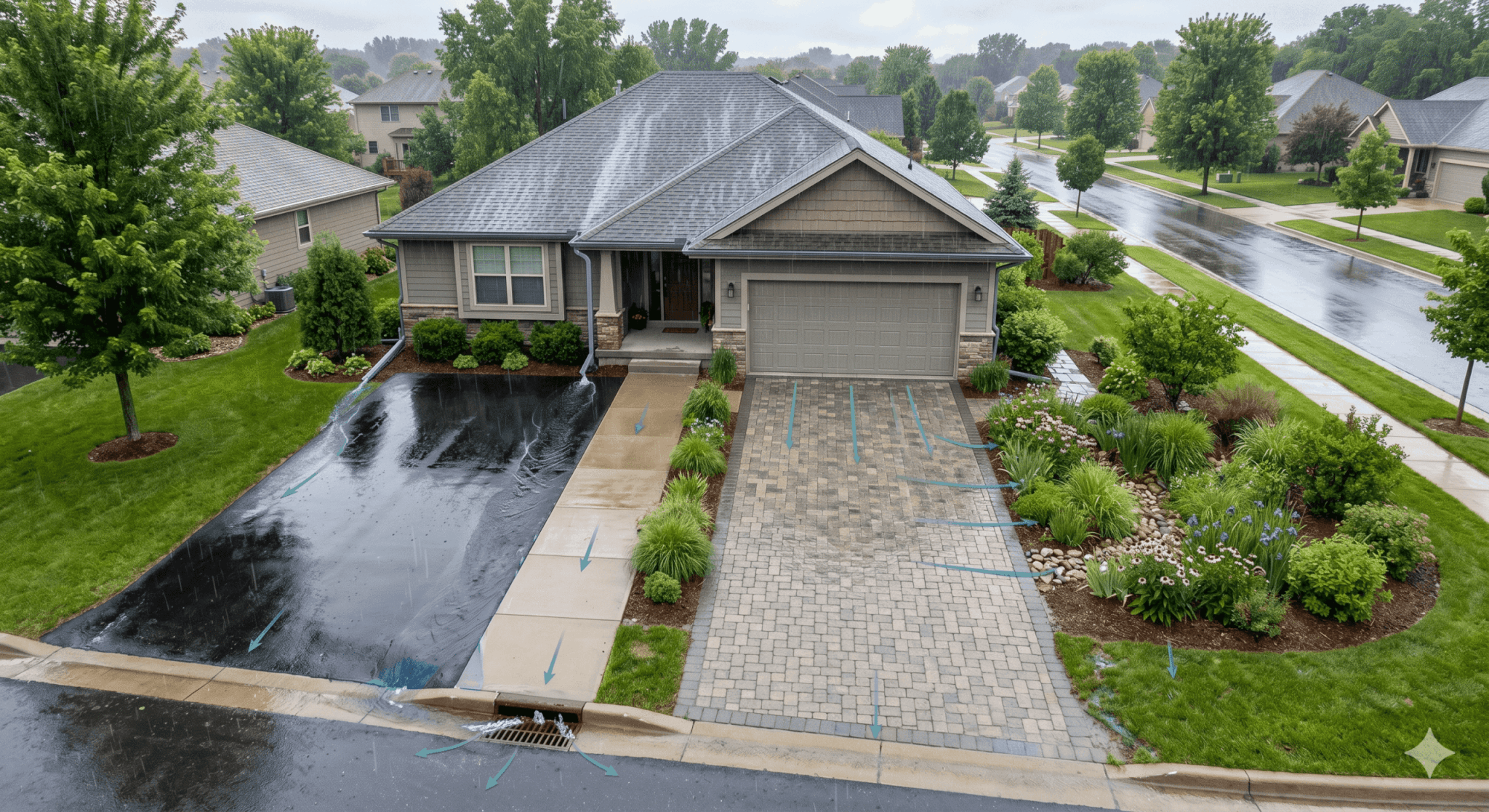
- Stormwater management incentives: For rain barrels or permeable surfaces
Some programs may restrict combining funds, so check with each program administrator. Rainplan’s platform excels at identifying complementary funding sources that work together. The platform shows you how to layer federal, state, and local incentives for comprehensive sustainable home upgrades, maximizing your total savings while improving your property value.
Maximize your funding opportunities
Eligibility depends on your situation, but many homeowners qualify for help. Take a smart approach: consider all funding sources and time your applications right.
Start by checking local programs since these often have more flexible requirements than federal programs. Document your income, property ownership, and improvement needs before applying. This preparation prevents delays and shows you’re serious about getting approved.
Remember that successful applicants often combine multiple funding sources. Green infrastructure improvements like rain gardens and permeable driveways may qualify for additional incentives beyond traditional home repair grants. These sustainable upgrades can reduce your water bills while increasing property value.
Platforms like Rainplan simplify this process by matching your property with all available programs in your area. The platform identifies both traditional home improvement grants and green infrastructure incentives you might not know exist. Get Started by entering your property address to see what programs you qualify for today.
Read our guide to stormwater rebates and incentives.
Federal Home Improvement Grant Programs: Complete Reference Table
Every major federal grant and assistance program for home improvement — eligibility, maximum amounts, and how to apply.
| Program | Max Grant Amount | Who Qualifies | Property Location | Administered By |
|---|---|---|---|---|
| USDA Section 504 Grant | $10,000 lifetime | Age 62+, very low income (50% AMI), owns and occupies home | Rural areas (pop. under 35,000) | USDA Rural Development local office |
| USDA Section 504 Loan | $40,000 (1% interest, 20-year term) | Low income, rural, cannot obtain affordable credit elsewhere | Rural areas only | USDA Rural Development local office |
| VA Specially Adapted Housing (SAH) Grant | $126,526 | Veterans with severe service-connected disabilities | Any | VA regional office |
| VA Special Home Adaptation (SHA) Grant | $25,350 | Veterans with moderate service-connected disabilities | Any | VA regional office |
| Weatherization Assistance Program (WAP) | ~$7,500 average | Income at or below 200% federal poverty level | Any | State WAP administrator (find via DOE) |
| FEMA Individuals and Households Program | Up to ~$43,000 | Homeowners in presidentially declared disaster areas with uninsured losses | Disaster-declared areas only | DisasterAssistance.gov after declaration |
| HUD Community Development Block Grant (CDBG) | Varies: $2,000–$35,000 via local programs | Low-to-moderate income; requirements set by local government | Eligible cities and counties | City or county housing department |
| HUD HOME Investment Partnerships | Varies by local program | Low-income homeowners needing rehabilitation | Participating jurisdictions | Local housing authority |
| Low Income Home Energy Assistance Program (LIHEAP) | Varies (primarily energy bills; some weatherization) | Income at or below 150% federal poverty level | Any | State LIHEAP office |
More Questions About Government Home Improvement Grants
What home improvement grants are available for low-income homeowners?
Low-income homeowners have access to several programs: the USDA Section 504 grant (up to $10,000 for rural residents 62+), HUD Community Development Block Grants distributed through local governments, the Weatherization Assistance Program for energy efficiency upgrades, and VA housing grants for eligible veterans (up to $126,526). Your most practical first step is contacting your city or county housing department, which administers most local programs and can confirm what is available at your specific address.
Who qualifies for government home improvement grants?
Eligibility typically requires all of the following: household income at or below 80% of area median income, ownership and occupancy of the home as your primary residence, at least 12 months of ownership, and a specific repair need related to health/safety, energy efficiency, or accessibility. Veterans with qualifying service-connected disabilities are eligible for VA grants regardless of income. Rural homeowners qualify for USDA programs regardless of age if they meet the income threshold.
What is the income limit for home improvement grants?
Income limits are set as a percentage of Area Median Income (AMI) and vary by county and household size. Most programs use 80% AMI as the cutoff for “low income.” For a family of 4, this typically ranges from $55,000 in rural counties to $95,000+ in high-cost metro areas. USDA Section 504 grants use a stricter 50% AMI threshold. The Weatherization Assistance Program uses 200% of the federal poverty level (approximately $62,000 for a family of 4 in 2025). Check your county’s specific limits on HUD’s website or through Rainplan’s address-based lookup.
Are there home improvement grants specifically for seniors?
Yes. The USDA Section 504 grant provides up to $10,000 specifically for homeowners age 62 and older in rural areas with very low incomes. HUD CDBG-funded local programs frequently have senior-specific tracks with $2,000–$5,000 for accessibility modifications such as grab bars, wheelchair ramps, and widened doorways. The Weatherization Assistance Program prioritizes seniors and households with young children. Many states also have dedicated senior home repair programs — contact your state housing finance agency for a full list.
How do I apply for a government home improvement grant?
Most grant programs are administered locally, not directly through federal agencies. For USDA Section 504, contact your local USDA Rural Development office. For VA housing grants, apply through your VA regional office. For the Weatherization Assistance Program, contact your state WAP administrator. For CDBG and HOME programs, contact your city or county housing department. Have two years of tax returns, proof of homeownership, and documentation of the repair need ready before applying.
Can I get a grant for a roof replacement?
Roof replacement can qualify if it addresses a health or safety issue — such as active leaks causing structural damage, mold growth, or interior water damage. Most programs will not fund a purely cosmetic or preventive roof replacement. USDA Section 504 grants explicitly cover health and safety repairs including documented roof damage. Local CDBG programs often have broader flexibility. Document the condition thoroughly with photos and contractor estimates before applying.
Do home improvement grants affect my taxes?
Generally, home improvement grants are not considered taxable income since they are provided for home repair rather than as compensation. However, receiving a grant can affect your home’s cost basis, which may have implications for capital gains if you sell. The tax treatment depends on the specific program — consult a tax professional for grant amounts over $5,000 or before filing the tax year in which you receive the funds.
Frequently asked questions
How do I know if my home improvement project qualifies for government grants?
Most programs fund improvements addressing health, safety, accessibility, or energy efficiency needs. Contact local program administrators to discuss your specific project and get confirmation about what repairs qualify.
What happens if I don’t qualify for any federal grant programs?
If you don’t qualify for federal grants, explore local and state programs with different eligibility requirements. Also consider utility rebates, nonprofit assistance programs, and low-interest loan options that have more flexible requirements.
Can I apply for grants if I’ve already started my home improvement project?
Most programs require approval before starting work. Some disaster assistance programs may cover completed emergency repairs with proper documentation, but standard grants typically won’t reimburse work already done.
How long does the grant application process typically take?
The grant application process typically takes 30 to 90 days. Disaster assistance may be faster, while competitive programs may take longer depending on funding availability and application volume.
Do I need to repay government home improvement grants?
Grants don’t require repayment, but some programs require staying in the home for 3 to 5 years. Loans, even low-interest ones from government programs, do require repayment according to their terms.
What if my income is slightly above the eligibility limits?
If your income is slightly above limits, verify household size calculations are correct and explore programs with higher income limits. Consider low-interest loan programs with more flexible requirements or local programs that may have different thresholds.
[cs_preview_ENL id=”6661″]