

Rainwater collection is legal in all 50 US states, but regulations vary significantly – from no restrictions at all to strict volume caps and permit requirements. Most states impose no limits whatsoever on residential collection. Three states stand out as exceptions: Colorado caps collection at 110 gallons, Utah caps it at 2,500 gallons with required registration, and a handful of states require permits only for large cisterns. For a standard residential rain barrel, you are unrestricted everywhere in the country.
At a Glance
38 states have zero restrictions
Colorado: 110-gal cap
Utah: 2,500-gal cap + registration
No permit needed for standard rain barrels anywhere
Recently we posted about residential rainwater collection systems on social media, and it ignited a discussion on whether having a rain barrel was legal or not in their state. We won’t bury the lead here, and rainwater harvesting methods are legal in all 50 states. Each city will have certain restrictions, but there is no place in the United States where catchment systems are entirely banned. So can you collect rainwater in California? Yes. Can you collect rainwater in Tennessee? Yes.
Let’s break down what to look for in each state, and we will share links with you about state water catchment requirements.
State-by-State Legal Status Table
| State | Legal? | Collection Limit | Key Notes |
|---|---|---|---|
| Alabama | Legal | None | No state restrictions on collection volume or method. |
| Alaska | Legal | None | No state restrictions. |
| Arizona | Legal | None | Actively encouraged. State income tax credit available for systems. |
| Arkansas | Legal | None | Residential collection unrestricted. Large commercial systems may require a permit. |
| California | Legal | None | Encouraged. SB-558 (2018) provides tax exemption for new residential rainwater systems. No volume limits. |
| Colorado | Restricted | 110 gallons | Max two 55-gal barrels. Outdoor, non-potable use only. Must be used on property collected. HB 16-1005. |
| Connecticut | Legal | None | No state restrictions. |
| Delaware | Legal | None | No state restrictions. |
| Florida | Legal | None | No state restrictions. Rebates available in some counties (e.g., Tampa Bay). |
| Georgia | Legal | None | Encouraged. No state restrictions. |
| Hawaii | Legal | None | No state restrictions. |
| Idaho | Legal | None | No state restrictions. |
| Illinois | Legal | None | No state restrictions. |
| Indiana | Legal | None | No state restrictions. |
| Iowa | Legal | None | No state restrictions. |
| Kansas | Legal | None | Residential collection unrestricted. |
| Kentucky | Legal | None | No state restrictions. |
| Louisiana | Legal | None | No state restrictions. |
| Maine | Legal | None | No state restrictions. |
| Maryland | Legal | None | Encouraged. Some counties (Howard, Montgomery) offer rebates. |
| Massachusetts | Legal | None | No state restrictions. Some municipalities offer rebates. |
| Michigan | Legal | None | No state restrictions. |
| Minnesota | Legal | None | No state restrictions. |
| Mississippi | Legal | None | No state restrictions. |
| Missouri | Legal | None | No state restrictions. |
| Montana | Legal | None | No state restrictions. |
| Nebraska | Legal | None | No state restrictions. |
| Nevada | Restricted | No set limit | Rooftop collection only. Single-family residential, non-potable use. Must remain on property. |
| New Hampshire | Legal | None | No state restrictions. |
| New Jersey | Legal | None | No state restrictions. |
| New Mexico | Legal | None | Encouraged. Some municipalities offer rebates. No volume limits. |
| New York | Legal | None | No state restrictions. |
| North Carolina | Legal | None | Encouraged. No state restrictions. |
| North Dakota | Legal | None | No state restrictions. |
| Ohio | Legal | None | No state restrictions. |
| Oklahoma | Legal | None | No state restrictions. |
| Oregon | Permit Required | None | Rooftop collection into rain barrels generally unrestricted. Large cisterns require a water right permit. |
| Pennsylvania | Legal | None | No state restrictions. |
| Rhode Island | Legal | None | No state restrictions. |
| South Carolina | Legal | None | No state restrictions. |
| South Dakota | Legal | None | No state restrictions. |
| Tennessee | Legal | None | Legal for non-potable domestic use. SB 2417/HB 1850 supports green infrastructure including rainwater harvesting. No volume limits. |
| Texas | Legal | None | Encouraged. SB 769 (2011) prevents HOAs from prohibiting collection. No state volume limits. |
| Utah | Restricted | 2,500 gallons | Registration required for systems storing >100 gallons. Non-potable use only. |
| Vermont | Legal | None | No state restrictions. |
| Virginia | Legal | None | Encouraged. Some localities offer incentive programs. |
| Washington | Permit Required | None | Standard rain barrels unrestricted. Large cisterns require a water right permit. |
| West Virginia | Legal | None | No state restrictions. |
| Wisconsin | Legal | None | No state restrictions. |
| Wyoming | Legal | None | No state restrictions. |
DIY Rain Water Harvesting Laws
Do-it-yourself rainwater harvesting has been around, well…, forever. It makes sense that humans naturally want to capture the #1 life-sustaining source. Everyone can agree that if rain falls on your property, it should be yours to keep. However, cities and states started implementing measures making it illegal many years ago after weighing the disadvantages of rain water harvesting, such as growing mosquito viruses and the need for rainwater to help wash street debris.
Old statutes and codes were based on an older generational need; before urbanization, new laws started to take off. In some states, it was illegal because if the water came into your yard from someone’s property-it originated as roof rainwater collection-then you could be accused of stealing since the water didn’t fall on your land.
So as you can see, it was an older way of thinking before mosquito populations could be controlled, before property codes were put in place, and before city infrastructure was overwhelmed by water runoff.
Rainwater harvesting laws by state
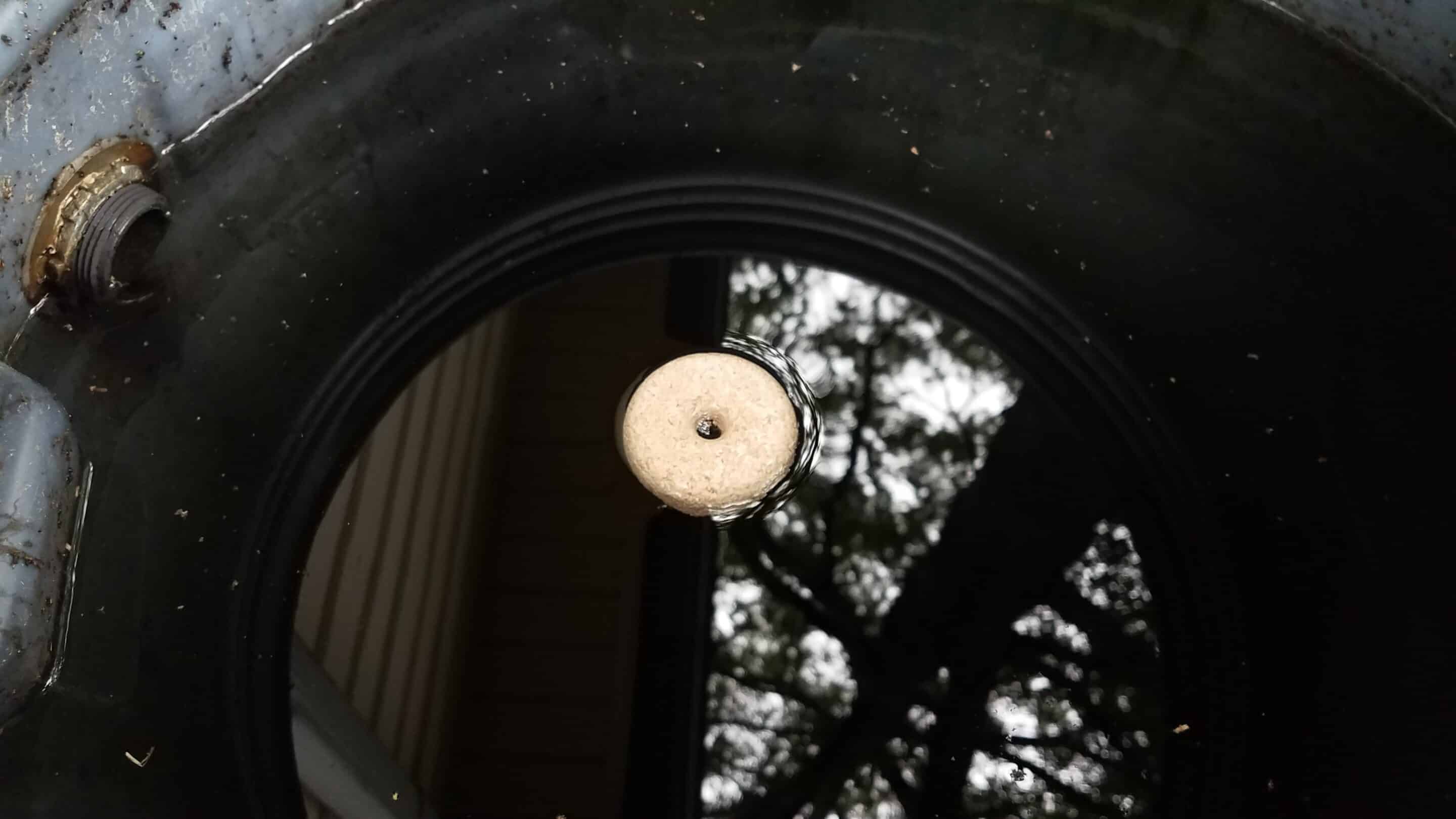
mosquito tablet insecticide floating in rain barrel with water
How to Store Rain Water
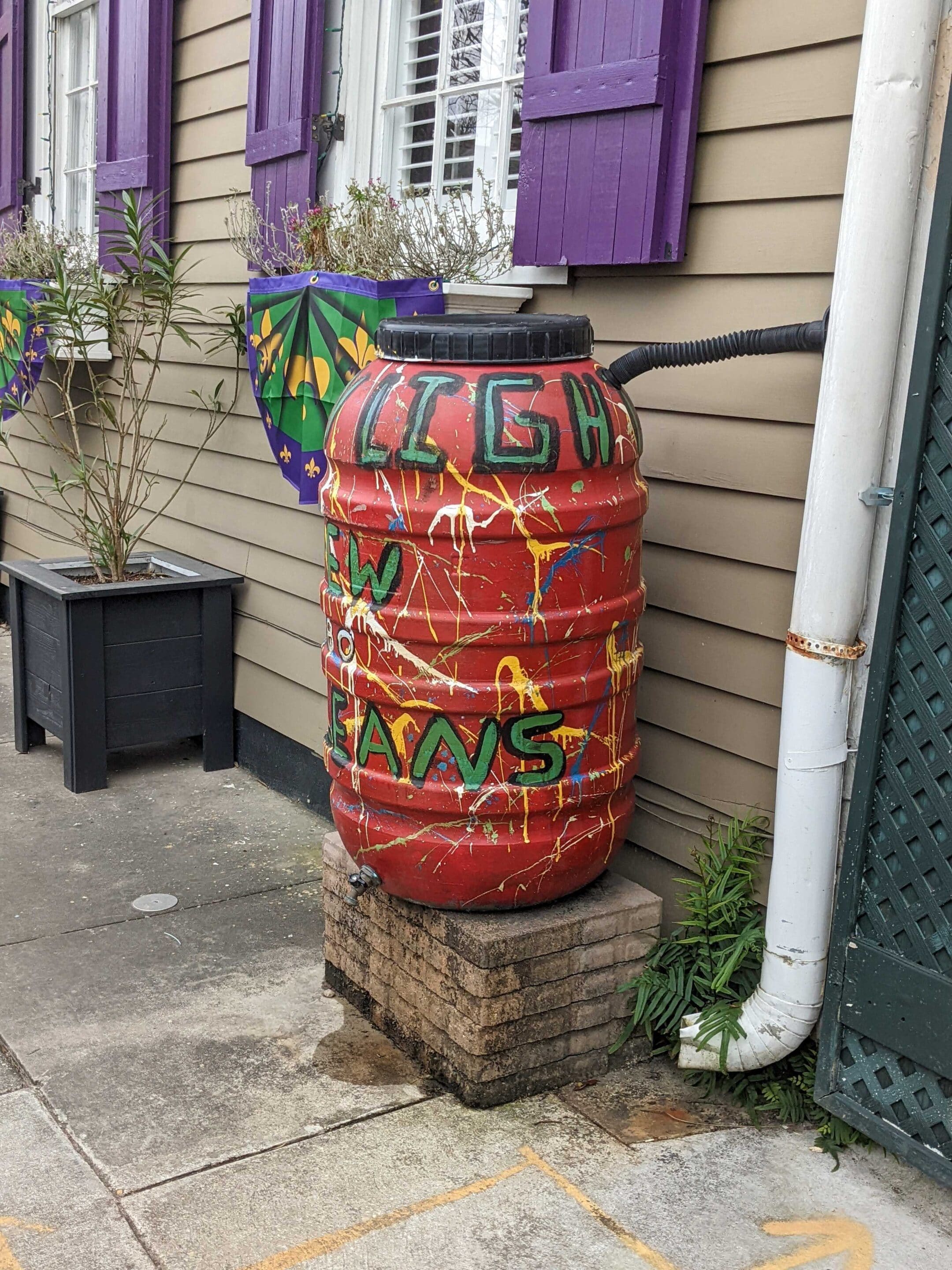
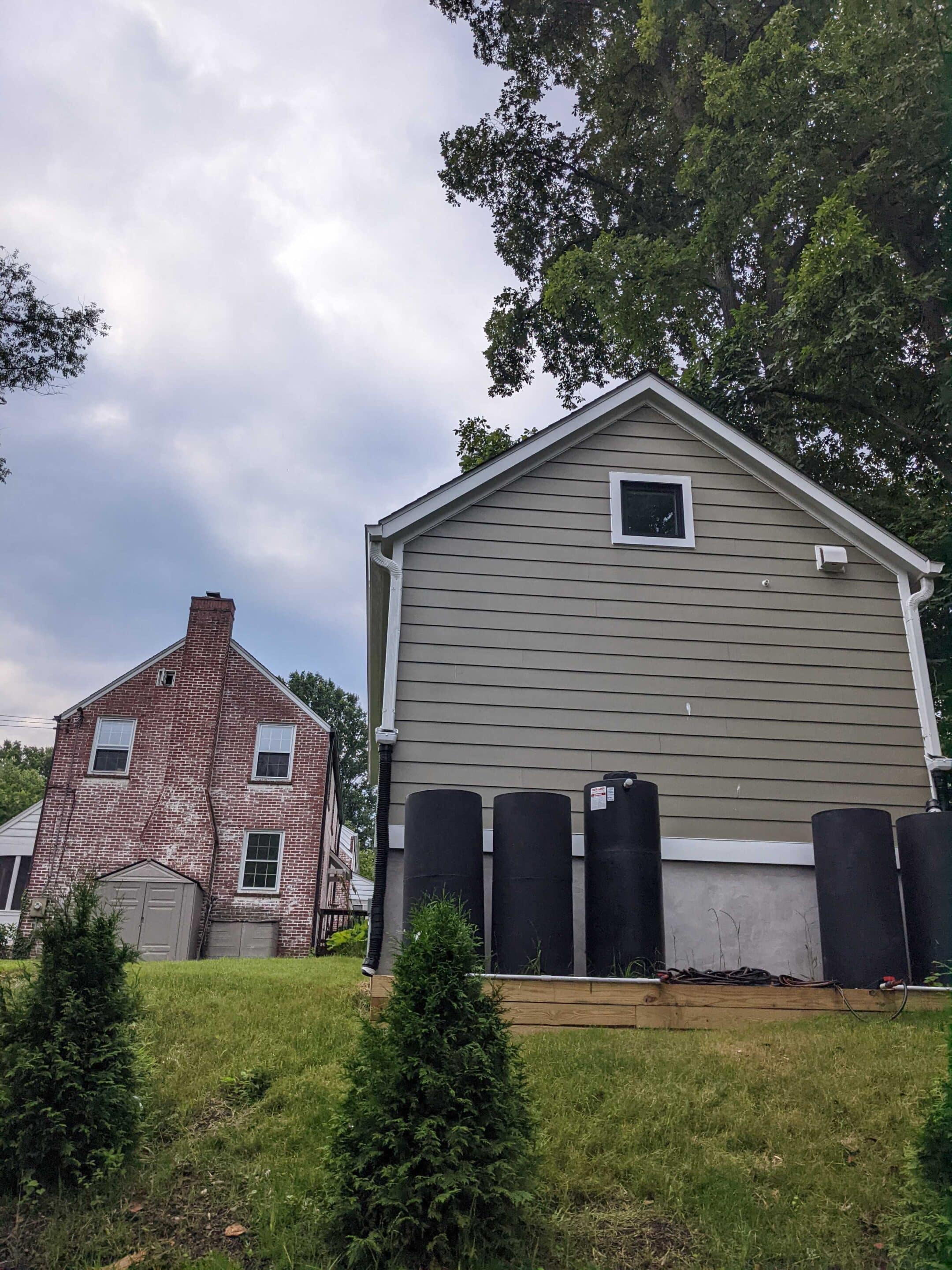
Rain water harvesting tanks-a fancy name for rain barrels or small ground cisterns-are bins set up for collecting rainwater from gutters. When the water falls on your roof and rolls off, it makes sense to collect it right there at the source. Traditionally rain barrels have been propped up on cinder blocks (gravity helps with water pressure when you hook up a hose or spout) and are connected directly to the downspout on a gutter.
It’s a system that works for water catchment, but what cities were noticing is that not all rain harvesting farmers were adequately taking care of their rain barrel maintenance. Rain water harvesting tanks are not supposed to hold water for more than a few days; otherwise, they become breeding grounds for mosquito larvae and bacteria. Public health officials were also concerned that some people would start using rain water collection for drinking—causing alarm because the chemicals collected from roof pitch, paint, and rust can be detrimental to human health. If people were unwilling to store their rain water properly or use it for drinking, public officials thought it best to outlaw the practice altogether.
Lower your water bill with rain capture!
Residential Rain Water Harvesting Today
With the understanding of why it was ever considered illegal, let’s talk about the codes and legalities for rain water collection today. All 50 states allow you to collect rain water and be a part of the process of storing rain water. However, some areas have codes and rules that allow for restrictions.
Restrictions you might see:
- -you to only store the water for so long
- -how much are you allowed to collect
- -what materials can you use to collect rain water
- -if you live in an HOA, there are requirements on visibility or maintenance
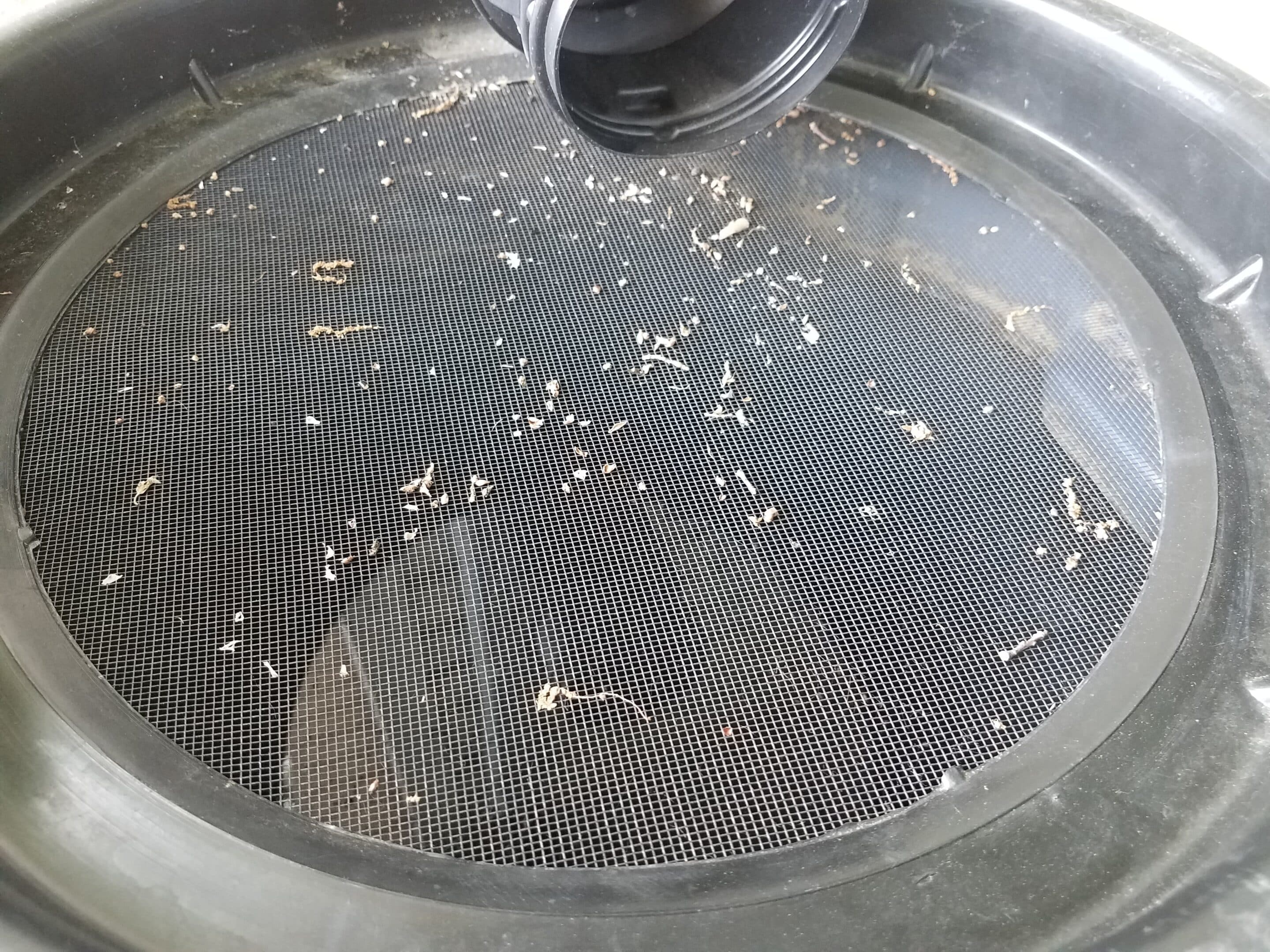
black rain barrel mesh filter or screen with a gutter downspout
Colorado is the state with the most restrictions when it comes to water harvesting. Every other state allows rainwater capture, but some require permitting or have specific conditions.
This source is a great starting point for discovering more about your state’s rain water collection regulations. https://www.harvesth2o.com/statues_regulations.shtml#co
How Rainplan Can Help
One way of finding out restrictions and codes for your area is to use our search engine incentive matching. They are considered legal if your state or city has an incentive program for residential rain barrels. Also, the incentive program website can give you more information about any restrictions or materials you should be using. Type in your address below to start your rain story with us and to find incentives!
Checkout or helpful guide to rainwater harvesting rebates in your area.
Frequently Asked Questions About Rainwater Collection Laws
Is it illegal to collect rainwater?
No. Rainwater collection is legal in all 50 US states. Most states impose no restrictions at all. Exceptions include Colorado (110-gallon cap), Utah (2,500-gallon cap with registration required), and a few states that require permits for large cisterns. For standard residential rain barrels connected to a downspout, collection is unrestricted everywhere in the US.
Is it illegal to collect rainwater in California?
No. California has no state-level restrictions on rainwater collection and actively encourages it. SB-558 (2018) provides a property tax exemption for new residential rainwater systems. There are no volume limits.
Can you collect rainwater in the US?
Yes. All 50 states permit rainwater collection. In 38 states, there are zero restrictions on residential collection volume or method. The most restrictive state is Colorado, which caps collection at 110 gallons under HB 16-1005. Utah caps it at 2,500 gallons and requires registration for systems over 100 gallons.
How much rainwater can I collect?
In most US states, there is no legal limit on how much rainwater you can collect residentially. The only exceptions at the state level are Colorado (max 110 gallons total) and Utah (max 2,500 gallons, with registration required for systems over 100 gallons). All other states impose no state-level volume limits, though local ordinances may vary.
Do I need a permit to collect rainwater?
No permit is required for standard residential rain barrels in any US state. Oregon and Washington require water right permits only for large-capacity cistern systems. If you’re installing a major cistern (1,000+ gallons), check your state and local permit requirements before installation.
Is it illegal to collect rainwater in Colorado?
No, but Colorado has the strictest limits in the country. Residents can collect up to 110 gallons (two 55-gallon barrels max) from a rooftop catchment system. Water must be used on the same property for outdoor non-potable purposes only. HB 16-1005 (2016) established these rules, relaxing what was previously a near-total ban.
Is it illegal to collect rainwater in Texas?
No. Texas is one of the most permissive states for rainwater collection. SB 769 (2011) prevents HOAs from prohibiting collection systems. There are no state-level volume limits.
Is it illegal to collect rainwater in Tennessee?
No. Tennessee has no volume limits or permit requirements for rainwater collection. SB 2417/HB 1850 supports rainwater harvesting as green infrastructure. The only restriction is that collected water cannot be used for potable purposes without treatment.