


Why Native Plants Are the Unsung Heroes of Eco-Friendly Yards
Native plants are like that dependable friend who shows up unannounced—with tacos. They thrive in your local climate, require minimal care, and quietly make everything around them better. When it comes to sustainable landscaping, few choices are as impactful—or as easy—as adding native species to your yard.
According to the Lower DuPage River Watershed Coalition, native flowers, grasses, trees, and shrubs help conserve and clean water. Stormwater runoff from roads and lawns often carries pollutants into nearby rivers and lakes. Native plants reduce that runoff by absorbing and infiltrating rainwater back into the soil. Some species, like the compass plant, grow roots up to 15 feet deep—filtering pollutants and anchoring soil far below the surface.
Those deep roots also prevent erosion and strengthen the land’s natural resilience. Because native plants are adapted to local rainfall and temperature patterns, they need little to no fertilizer, pesticide, or extra watering once established. They also create vital habitat for pollinators, birds, and other wildlife—and they make your yard look purposeful, not overgrown.
How to Start with Native Landscaping
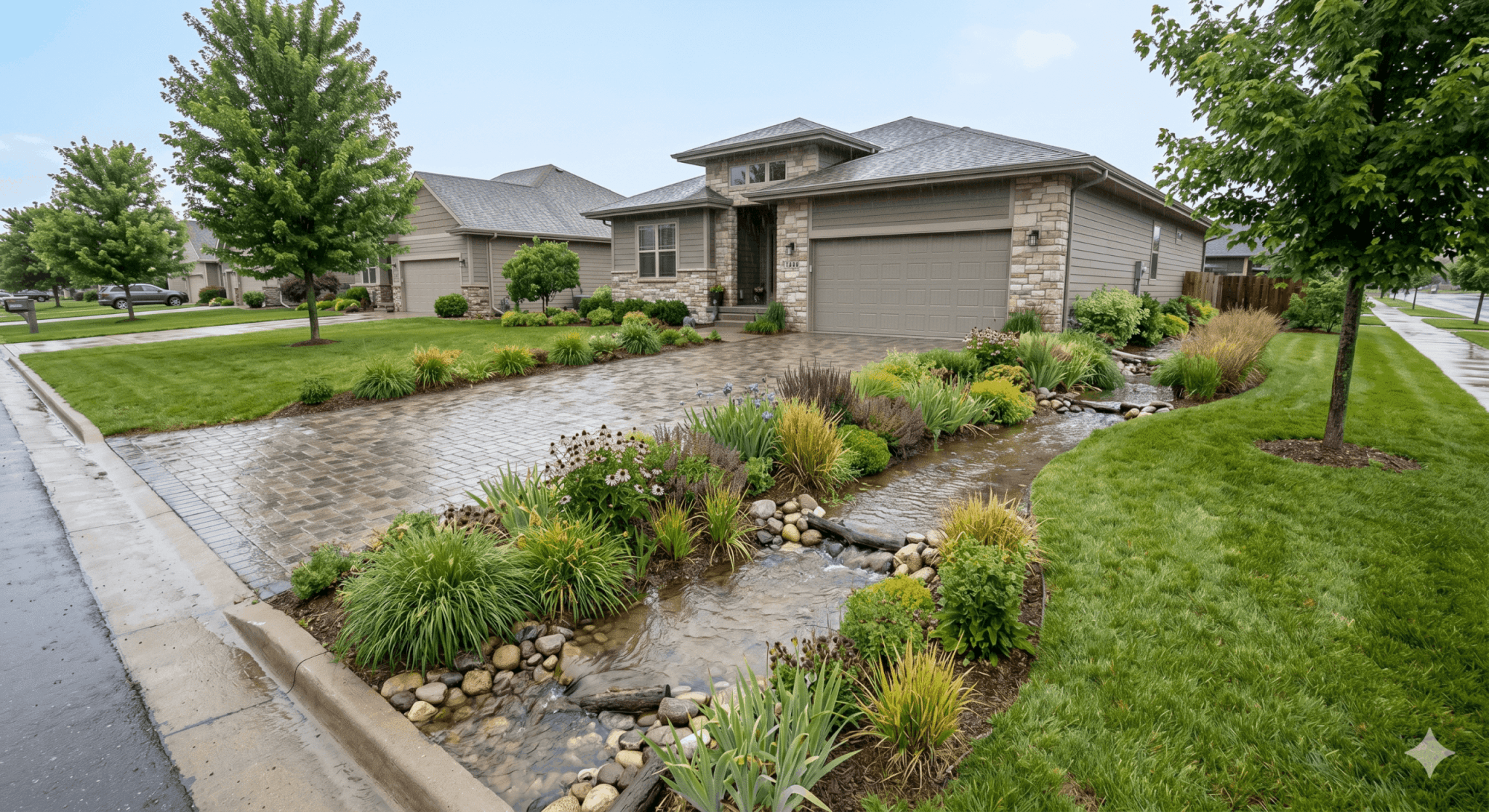
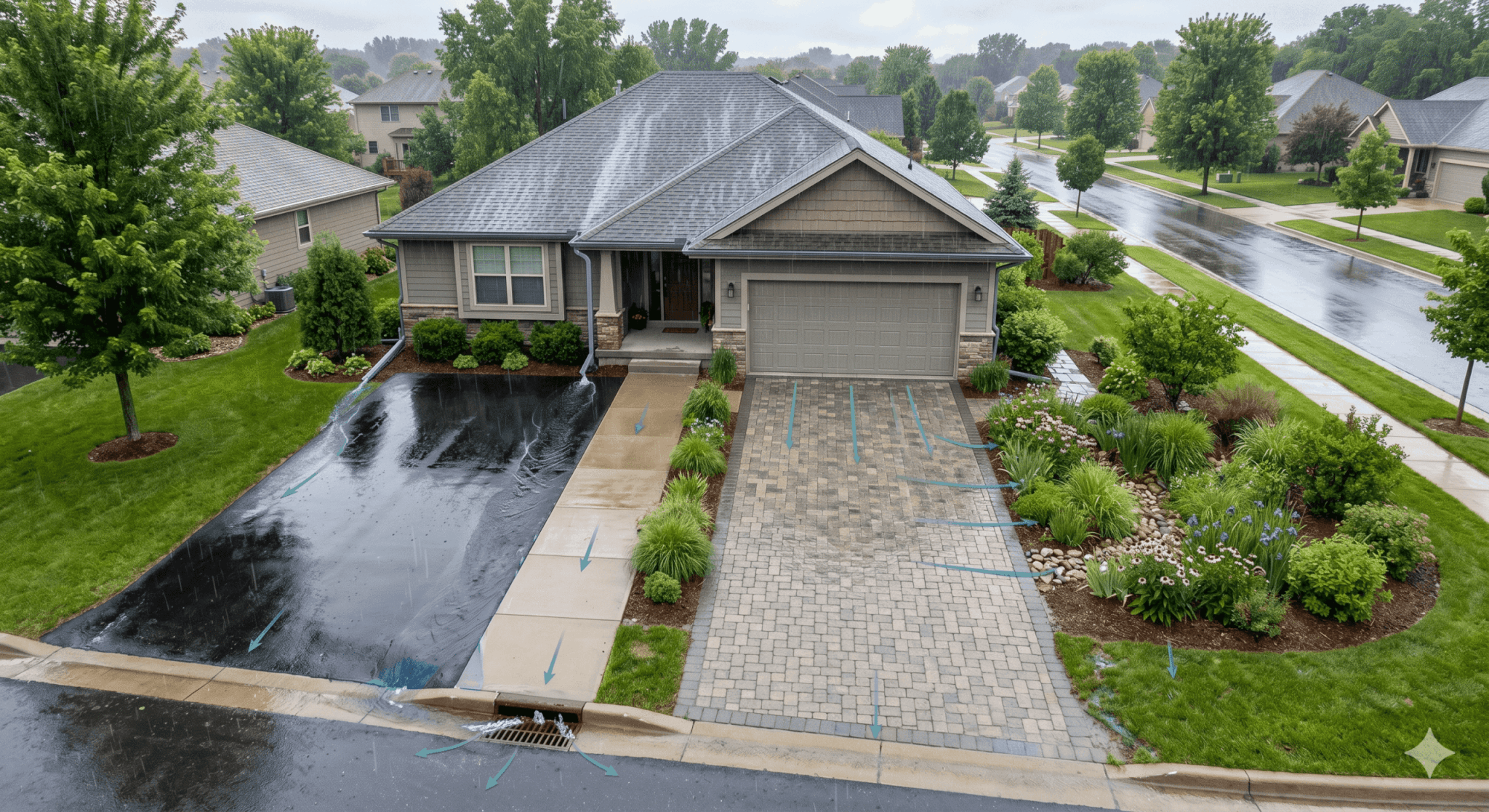
You don’t have to overhaul your entire lawn overnight. Begin by replacing a small patch of turf with a mix of native wildflowers and grasses suited to your soil and sun conditions. For maximum stormwater management benefits, pair native plantings with rain gardens, bioswales, or permeable pavers that allow rain to soak in naturally.
Over time, you’ll notice real results: fewer puddles, lower water bills, and Saturdays free from endless mowing. Even better, your yard will come alive with bees, butterflies, and the kind of quiet beauty that feels intentional.
And if you find yourself reflecting on how your prairie coneflowers taught you patience, don’t worry—you’re not alone. That’s just part of the transformation that happens when your landscape starts working with nature instead of against it.